Blocked drains cause serious headaches for Portsmouth homeowners, from slow-flowing sinks to unpleasant odours and potential property damage. Without proper inspection, minor issues escalate into expensive repairs and emergency callouts. A systematic drain inspection process identifies problems early, prevents costly blockages, and maintains your drainage system’s efficiency. This guide walks you through the essential steps for effective drain inspection, from preparation through to verification, helping you protect your property and avoid drainage disasters.
Table of Contents
- Key takeaways
- Understanding the basics: what you need before inspecting drains
- Step-by-step drain inspection process for homeowners and property managers
- Troubleshooting common inspection challenges and how to avoid mistakes
- Confirming results and next steps after your drain inspection
- Explore expert drain solutions in Portsmouth
- Frequently asked questions
Key Takeaways
| Point | Details |
|---|---|
| Blockage prevention | A thorough drain inspection helps prevent costly blockages by identifying problems early. |
| Preparation ensures smooth inspections | Proper preparation sets up an accurate assessment and avoids incomplete inspections. |
| Structured inspection uncovers issues | A sequential approach reveals problems that visual checks may miss. |
| Verification confirms system health | Final checks verify the drainage network is functioning as intended. |
Understanding the basics: what you need before inspecting drains
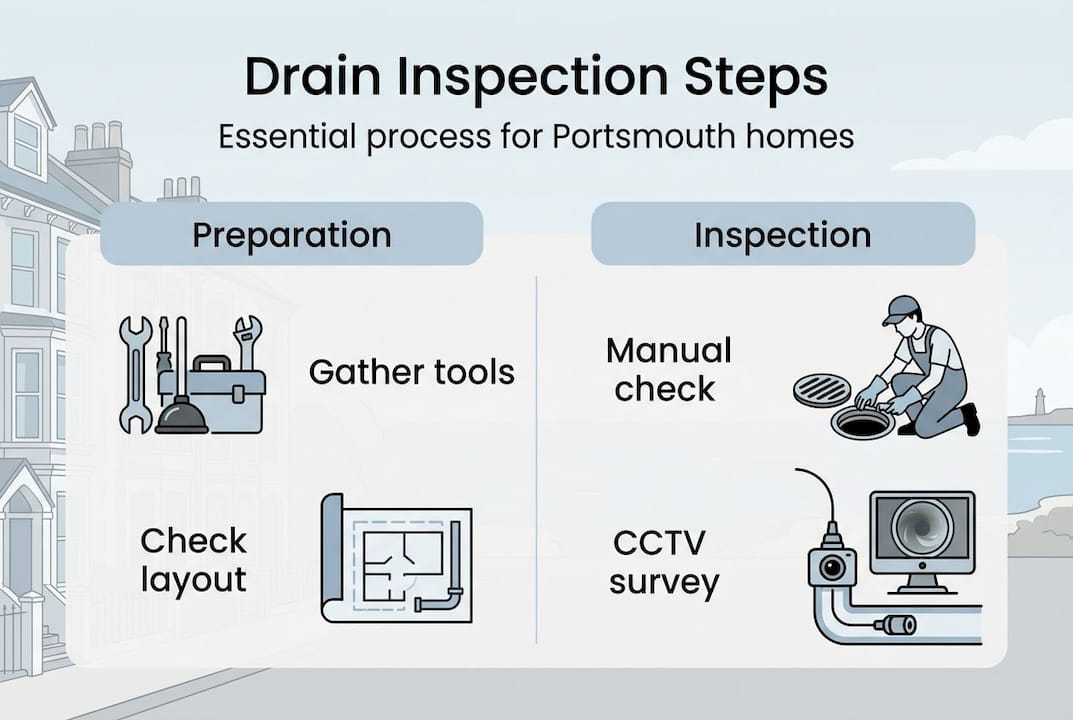
Successful drain inspection starts long before you look down the first drain cover. Gathering the right equipment, understanding your property’s drainage layout, and taking proper safety precautions sets the foundation for accurate assessment. Skipping preparation leads to incomplete inspections and missed problems.
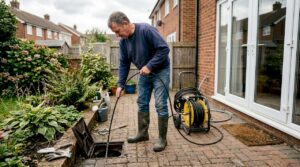
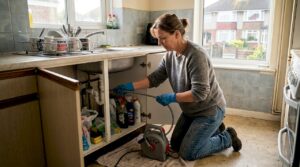
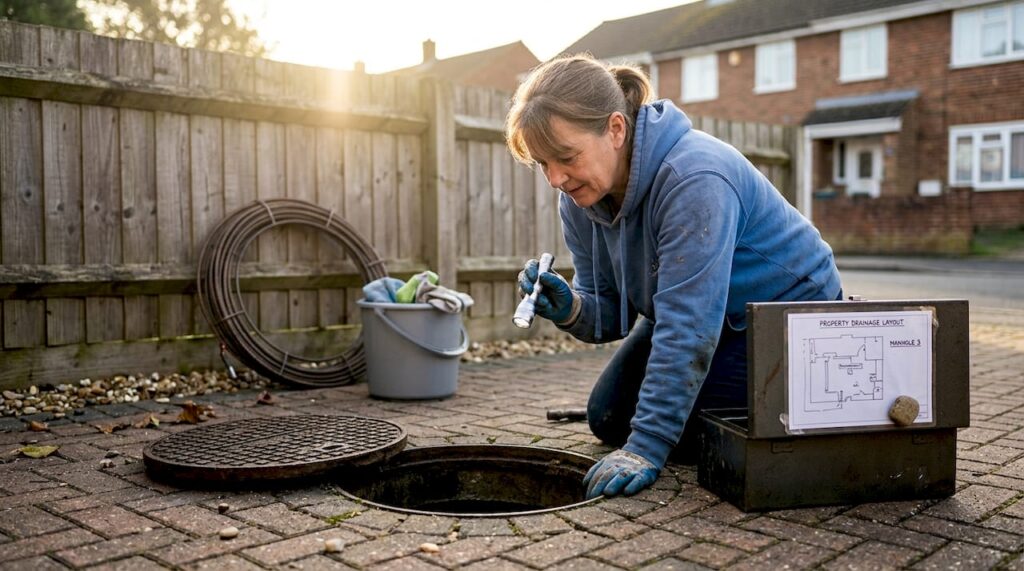
Your essential toolkit includes protective gloves, a torch, drain rods, a bucket, and cleaning materials. For comprehensive assessment, consider hiring or purchasing a drain camera system. Proper preparation, including correct tools and knowledge of the drainage system, is crucial for thorough inspection. Basic tools handle surface-level checks, whilst camera equipment reveals what’s happening deep within your pipes.
Knowing your property’s drainage layout prevents wasted effort and potential damage. Locate all access points, understand which drains serve which areas, and identify the main sewer connection. Most Portsmouth properties have separate systems for surface water and foul water, so understanding your specific configuration matters. Check your property deeds or contact the local water authority for drainage plans if you’re unsure.
Safety considerations cannot be overlooked. Drainage systems contain harmful bacteria and potentially toxic gases. Always wear protective equipment, ensure adequate ventilation when opening manholes, and never enter confined spaces without proper training and equipment. If you suspect serious blockages or structural damage, professional assessment protects both your safety and your property.
Pro tip: Create a simple drainage map of your property showing all access points, gullies, and inspection chambers. This reference saves time during inspections and helps track recurring problem areas.
| Tool/Equipment | Purpose | Priority |
|---|---|---|
| Protective gloves | Hand protection from bacteria | Essential |
| Torch/headlamp | Illuminate dark drain interiors | Essential |
| Drain rods | Clear minor blockages | Recommended |
| CCTV camera | Detailed internal inspection | Highly recommended |
| Bucket and cloths | Cleanup and waste removal | Essential |
| Safety goggles | Eye protection | Recommended |
Before starting any inspection, check whether you need permissions. Most residential drain inspections don’t require approval, but if your drainage connects to shared systems or you’re in a conservation area, verify requirements with Portsmouth City Council. Understanding your drainage system guide Portsmouth homeowners rely on prevents legal complications and ensures compliance.
Step-by-step drain inspection process for homeowners and property managers
Executing a thorough drain inspection follows a logical sequence from external observation through to detailed internal assessment. This systematic approach ensures nothing gets missed and problems get identified at the earliest stage.
Visual external inspection
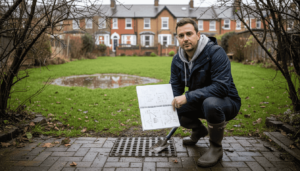
- Walk your property’s perimeter, checking for signs of drainage problems like waterlogged areas, subsidence, or unusual vegetation growth
- Inspect all visible gullies and drain covers for debris, damage, or improper seating
- Check downpipes and gutters connect properly to the drainage system
- Note any cracks in paving or walls that might indicate drainage movement
- Document everything with photos for future comparison
Manual inspection of access points
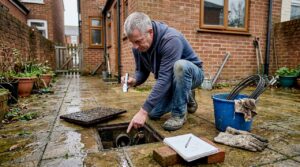
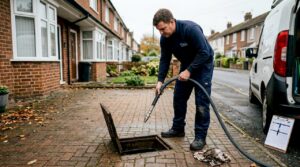
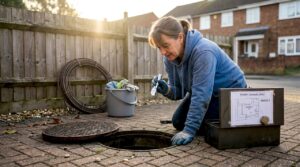
Open inspection chambers carefully, noting any immediate odours or visible problems. Check water levels; chambers should be relatively empty between use. Excessive standing water indicates blockages downstream. Look for debris, root intrusion, or structural damage to the chamber itself. Test water flow by running taps or flushing toilets whilst observing the chamber.
CCTV survey execution
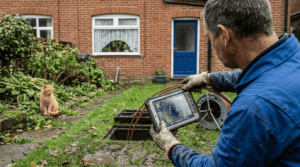
CCTV drain surveys offer significant advantages for detecting hidden problems and ensuring inspection accuracy. Insert the camera through access points, moving slowly through the pipe system. Modern cameras provide clear footage showing pipe condition, blockages, cracks, and joint displacement. Record the entire survey for detailed analysis and future reference.
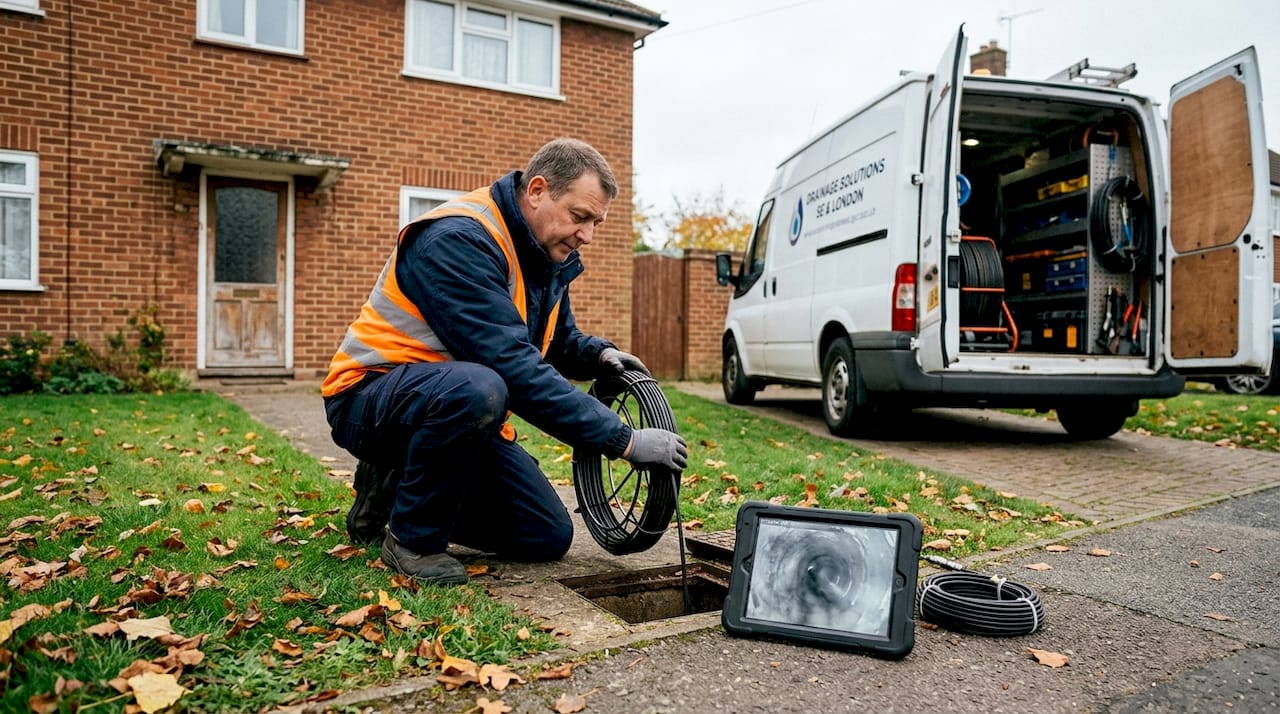
Pay particular attention to pipe joints, bends, and connection points where problems commonly develop. Look for scale buildup, tree root penetration, collapsed sections, or misaligned pipes. The camera reveals issues invisible during manual inspection, making it invaluable for comprehensive assessment.
Pro tip: Run water through the system during CCTV inspection to see how effectively drains clear and whether any backup occurs at specific points.
| Inspection method | What it reveals | Limitations |
|---|---|---|
| Visual external | Surface drainage issues, obvious damage | Cannot see internal pipe condition |
| Manual chamber check | Immediate blockages, water flow | Limited to accessible points |
| CCTV survey | Internal pipe condition, hidden damage | Requires equipment investment |
| Flow testing | Drainage efficiency, partial blockages | Doesn’t show structural issues |
Recording and documenting findings
Systematic documentation transforms inspection from a one-time check into valuable maintenance records. Note the location, severity, and nature of every issue discovered. Mark problem areas on your drainage map. Save CCTV footage with timestamps and location notes. This documentation helps track deterioration over time and provides evidence if you need professional repairs.
Common blockages include accumulated grease and fat, foreign objects, tree roots, and collapsed pipe sections. Each presents differently on inspection. Grease creates thick coating reducing pipe diameter, roots appear as fibrous masses penetrating joints, and collapsed sections show obvious structural failure. Understanding what you’re seeing helps determine appropriate solutions. For comprehensive guidance, review this drain CCTV inspection overview covering detection techniques.
Troubleshooting common inspection challenges and how to avoid mistakes
Even experienced property managers encounter difficulties during drain inspections. Recognising common challenges and knowing how to address them prevents incomplete assessments and misdiagnosis.
Misinterpreting inspection data
Not every shadow or discolouration indicates serious problems. Scale buildup looks alarming but may not affect drainage function. Similarly, minor root intrusion doesn’t always require immediate action. Common mistakes in drain inspection lead to misdiagnosis and costly repairs later. Learn to distinguish between cosmetic issues and functional problems requiring intervention.
Compare current findings against previous inspections to identify genuine deterioration versus stable conditions. A crack that hasn’t changed in three years poses less immediate concern than new damage appearing since the last check.
Incomplete survey coverage
Many inspections fail to cover the entire drainage system. Property owners focus on problem areas whilst neglecting sections that seem fine. This approach misses developing issues in “healthy” pipes. Always inspect the complete system, from property boundary to main sewer connection. Budget sufficient time; rushing leads to gaps in coverage.
Inaccessible sections present particular challenges. Blocked access points, tight bends, or collapsed pipes prevent camera passage. Don’t assume inaccessible areas are fine. Note these limitations in your records and consider alternative access points or professional equipment for complete assessment.
Equipment limitations and operator error
Basic CCTV equipment struggles in certain conditions. Poor lighting, dirty lenses, or inadequate camera resolution obscure important details. Ensure equipment is clean, properly calibrated, and suitable for your pipe sizes. Practice camera operation before formal inspection to avoid missing problems due to technique issues.
Operator inexperience causes the most inspection failures. Moving the camera too quickly, poor lighting adjustment, or inability to recognise problems leads to false confidence in faulty systems. If you’re uncertain about findings, seek second opinions or professional verification.
“Regular inspection combined with proper interpretation prevents 80% of emergency drainage failures. The key is knowing what you’re looking at and understanding when to call experts.”
When to involve professionals
Some situations exceed DIY capabilities. Suspected structural damage, persistent blockages despite clearing attempts, or complex multi-property drainage systems require professional assessment. Don’t risk property damage or personal safety attempting repairs beyond your skill level. For immediate issues, consult drainage troubleshooting tips covering when to escalate problems.
Professionals bring specialist equipment, insurance coverage, and expertise interpreting complex drainage issues. Their reports provide detailed condition assessments and remediation recommendations backed by industry standards. This documentation proves invaluable for insurance claims or property transactions.
Confirming results and next steps after your drain inspection
Completing the physical inspection represents only half the process. Proper verification, interpretation, and action planning turn inspection data into effective drainage maintenance.
Interpreting inspection reports and footage
- Review all documentation systematically, cross-referencing CCTV footage with written notes and photographs
- Categorise findings by severity: immediate action required, monitor closely, or routine maintenance
- Identify patterns suggesting underlying causes rather than isolated incidents
- Compare results against previous inspections to track deterioration rates
Understanding severity helps prioritise responses. A small crack in a pipe carrying only rainwater differs significantly from the same crack in a foul water drain. Location matters too; damage near property foundations requires faster action than problems at the boundary.
Developing your action plan
Translate inspection findings into concrete next steps. Immediate issues like complete blockages or structural collapse need urgent professional attention. Medium-term concerns such as root intrusion or scale buildup require scheduled maintenance. Long-term monitoring items get added to your regular inspection checklist.
Create a maintenance schedule based on findings. Properties with older drainage systems or known tree root issues need more frequent inspection than newer installations. Regular verification and maintenance post-inspection prevent further drainage issues and prolong system life. Most Portsmouth homes benefit from annual professional inspection supplemented by quarterly owner checks.
| Issue severity | Action timeline | Typical response |
|---|---|---|
| Critical (complete blockage, collapse) | Within 24 hours | Emergency professional repair |
| High (significant root intrusion, major cracks) | Within 1 week | Professional assessment and repair |
| Medium (partial blockages, minor damage) | Within 1 month | Scheduled maintenance or monitoring |
| Low (scale buildup, cosmetic issues) | Next routine service | Include in regular maintenance |
Implementing preventive maintenance
Inspection reveals what’s wrong now and what might fail next. Use this knowledge to prevent future problems. If roots caused blockages, schedule regular root treatment. If grease buildup appeared, improve kitchen waste disposal practices. Preventive action costs less than reactive repairs.
Establish routine maintenance tasks based on your drainage system’s specific vulnerabilities. This might include quarterly drain cleaning, annual CCTV surveys, or biannual root treatment. Understanding your system’s weak points through regular inspection lets you target maintenance effectively. Learn about drain unblocking impact on Portsmouth homes to appreciate prevention’s value.
Scheduling future inspections
Don’t wait for problems to resurface. Book your next inspection based on current system condition and known risk factors. Properties with mature trees nearby need more frequent checks than those without vegetation. Older drainage systems require closer monitoring than recent installations.
Keep detailed records of all inspections, maintenance, and repairs. This history helps identify recurring issues, proves diligence for insurance purposes, and adds value during property sales. Digital records with dated photographs and CCTV footage provide comprehensive system documentation. For ongoing maintenance guidance, review this routine drain cleaning guide covering best practices.
Explore expert drain solutions in Portsmouth
Whilst regular self-inspection maintains drainage health, professional expertise proves invaluable for complex issues or verification of serious problems. Specialist drainage companies offer comprehensive CCTV surveys using commercial-grade equipment that reveals details basic cameras miss. These detailed assessments provide definitive diagnosis and remediation strategies backed by industry expertise.
When inspection reveals problems beyond DIY solutions, professional unblocking services restore drainage function quickly and safely. Emergency situations require immediate expert response to prevent property damage and health hazards. Understanding emergency drain unblocking steps helps you respond effectively whilst awaiting professional assistance.
Comprehensive drain unblocking solutions explained cover various techniques from high-pressure jetting to mechanical cutting and pipe relining. Professional services match the solution to your specific problem, ensuring effective resolution rather than temporary fixes. For detailed assessment options, explore professional drain CCTV inspection services offering complete system analysis and reporting.
Frequently asked questions
What is the drain inspection process?
The drain inspection process involves systematic examination of your drainage system using visual checks, manual inspection of access points, and CCTV camera surveys. It identifies blockages, structural damage, root intrusion, and other issues affecting drainage performance. The process begins with external observation, progresses through accessible inspection chambers, and concludes with internal pipe assessment using specialist cameras. Proper inspection reveals problems before they cause expensive damage or emergency failures.
How often should I have my drains inspected?
Most Portsmouth homeowners should inspect drains annually, with quarterly visual checks of accessible points. Properties with mature trees, older drainage systems, or previous blockage history need more frequent professional surveys, typically every six months. New properties with modern drainage can extend intervals to 18 months between comprehensive inspections. Adjust frequency based on your system’s condition and any recurring issues discovered during regular checks.
Can I inspect my drains myself or should I hire a professional?
Basic visual inspections and accessible chamber checks suit DIY approaches for routine monitoring. However, comprehensive CCTV surveys benefit from professional expertise and commercial-grade equipment. Hire professionals when you suspect structural damage, experience persistent blockages, or need definitive diagnosis for insurance or property transactions. Safety concerns, particularly around confined spaces or suspected gas buildup, always warrant professional involvement rather than DIY attempts.
What tools are needed for a proper drain inspection?
Essential manual tools include protective gloves, torch, drain rods, bucket, and cleaning materials for basic inspection. Comprehensive assessment requires CCTV camera equipment, either purchased or hired, with sufficient cable length to reach all drainage sections. Safety equipment includes goggles, waterproof clothing, and proper footwear. Professional-grade cameras offer better resolution, lighting, and recording capabilities than basic consumer models. Consider equipment investment based on your property size and inspection frequency requirements.
What are the signs of drainage issues that inspection can reveal?
Inspection detects slow drainage indicating partial blockages, unusual gurgling sounds suggesting air trapped by obstructions, and foul odours from bacterial buildup or sewer gas escape. Visual signs include standing water in inspection chambers, cracks in pipes or joints, root intrusion through damaged sections, and scale or grease accumulation reducing pipe capacity. CCTV surveys reveal structural problems like collapsed pipes, misaligned joints, and corrosion invisible during manual checks. Early detection through regular inspection prevents these issues escalating into expensive emergencies.