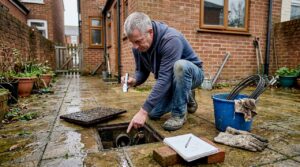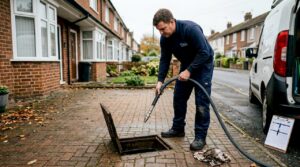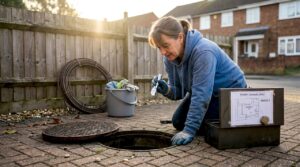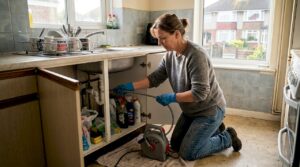
Many Portsmouth homeowners pour boiling water down blocked drains believing it permanently clears the problem, but this only temporarily softens grease without removing solid blockages. Blocked drains disrupt daily routines and can cause serious property damage if left untreated. This article explains the real causes of drain blockages, effective removal methods, and practical prevention strategies to help you protect your Portsmouth home and act confidently when drainage issues arise.
Table of Contents
- Introduction To Drain Blockages In Portsmouth Homes
- Causes And Mechanisms Of Drain Blockages
- Common Misconceptions About Drain Unblocking
- Diagnosing And Choosing The Right Unblocking Method
- Risks And Consequences Of Delayed Drain Unblocking
- Preventative Maintenance Strategies To Minimise Blockages
- Explore Expert Drain Unblocking Services For Portsmouth Homeowners
- Frequently Asked Questions
Key takeaways
| Point | Details |
|---|---|
| Blockage causes vary widely | Portsmouth homes face blockages from fats, tree roots, and debris influenced by local environmental conditions. |
| Professional methods outperform DIY | Mechanical tools and expert services clear blockages more effectively than chemicals or basic household attempts. |
| Delays create costly damage | Ignoring blocked drains leads to property damage, pipe deterioration, and health hazards requiring expensive emergency repairs. |
| Prevention reduces future risks | Regular maintenance, proper disposal habits, and scheduled inspections keep drains flowing smoothly and prevent recurring blockages. |
Introduction to drain blockages in Portsmouth homes
Understanding why drains block in your Portsmouth home helps you choose the right solutions and prevent future problems. Drain blockages often stem from local tree root growth and household disposal habits specific to the area’s environmental conditions. Recognising these patterns allows you to tailor your approach to maintenance and repairs effectively.
Common blockage sources include:
- Fats, oils, and grease poured down kitchen sinks that solidify inside pipes
- Hair, soap residue, and toiletries accumulating in bathroom drains
- Tree roots penetrating underground pipes seeking moisture in Portsmouth’s soil conditions
- Foreign objects like wipes, sanitary products, and food waste flushed incorrectly
- Structural pipe damage from ground movement or ageing materials
Portsmouth’s mature trees and clay-rich soil create ideal conditions for root intrusion into drainage systems. Roots naturally grow toward water sources, entering pipes through tiny cracks and rapidly expanding to create severe blockages. Meanwhile, household habits like disposing of cooking fats and using excessive toilet paper compound these environmental factors.
Your drainage system works through gravity and proper flow design. When blockages form, water backs up and pressure builds within pipes. Early recognition of slow drainage, gurgling sounds, or unpleasant odours allows you to address problems before they escalate. Understanding how your drain blocking factors in Portsmouth differ from other regions helps you implement targeted prevention strategies.
Causes and mechanisms of drain blockages
Blockages develop through gradual accumulation rather than sudden events in most cases. Fats, oils, and grease cause nearly two-thirds of household drain blockages because they solidify as they cool inside pipes. This creates a sticky coating that traps other debris and builds layer upon layer until water flow stops completely.
The blockage formation process follows these stages:
- Initial deposit: grease or small debris adheres to pipe walls
- Accumulation phase: additional materials stick to existing deposits
- Flow restriction: growing blockage narrows pipe diameter and slows drainage
- Complete obstruction: water backs up and stops flowing entirely
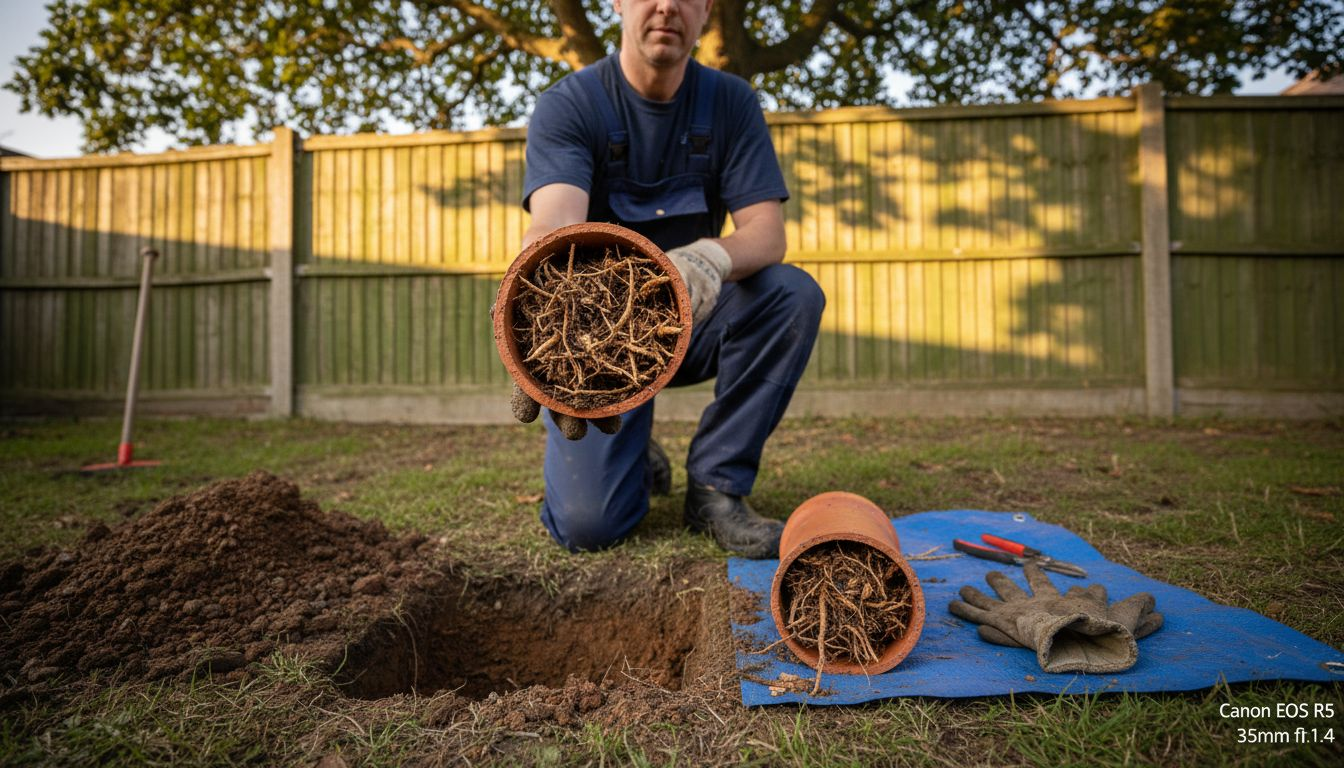
Tree roots create particularly stubborn blockages through aggressive growth patterns. Roots detect moisture vapour escaping from pipes and penetrate through joints, cracks, or weak points. Once inside, they expand rapidly and trap passing debris whilst damaging pipe structure. Clay pipes common in older Portsmouth properties are especially vulnerable to root intrusion.
| Blockage Type | Formation Time | Removal Difficulty | Pipe Damage Risk |
|---|---|---|---|
| Grease build-up | Weeks to months | Moderate | Low to moderate |
| Hair and soap | Months | Low to moderate | Low |
| Tree roots | Months to years | High | High |
| Foreign objects | Immediate | Moderate to high | Moderate |
| Structural collapse | Years (sudden event) | Very high | Severe |
Foreign objects create immediate blockages by physically obstructing pipe diameter. Items like wet wipes, cotton buds, and sanitary products do not break down in water and lodge in pipe bends or junctions. These objects act as collection points where other debris accumulates rapidly. Understanding these causes of drain blockages helps you recognise symptoms early and choose appropriate removal methods.
Common misconceptions about drain unblocking
Many homeowners waste time and money on ineffective blockage removal methods based on popular myths. Hot water flushes temporarily soften grease deposits but cannot clear solid obstructions, tree roots, or foreign objects. The blockage returns quickly once the grease re-solidifies at normal temperatures.
Widespread false beliefs include:
- Boiling water permanently dissolves all blockage types and restores full flow
- Chemical drain cleaners safely clear any obstruction without harming pipes
- Basic plungers and wire hangers reach and remove deep blockages effectively
- Regular use of chemical products prevents future blockages from forming
Chemical drain cleaners corrode pipes and provide only temporary relief whilst risking future recurring problems. These products contain caustic substances that generate heat and create toxic fumes. They dissolve some organic matter but cannot clear root intrusions or solid objects. Repeated use weakens pipe materials, especially older metal or clay systems, leading to expensive replacement costs.
DIY snakes and augers only reach shallow blockages near drain openings. Forcing these tools too aggressively can puncture pipes or push blockages deeper into the system. They work well for simple hair clogs in bathroom sinks but fail against established grease deposits or root masses. Understanding chemical cleaner limitations prevents wasted effort and potential damage.
Pro Tip: Test drainage speed after any unblocking attempt by running water for several minutes. If flow remains slow or water backs up again quickly, the blockage persists and requires professional assessment with proper diagnostic tools.
Diagnosing and choosing the right unblocking method
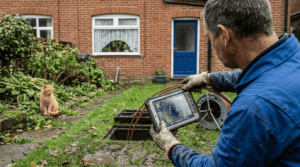
Accurate diagnosis determines which removal technique will effectively clear your blockage. Professional CCTV inspection identifies blockage location and nature enabling targeted solutions. This technology reveals root intrusions, pipe damage, and blockage composition that guide appropriate treatment selection.
Follow this diagnostic approach:
- Observe symptoms: slow drainage, gurgling sounds, water backing up, or foul odours
- Identify affected areas: single fixture, multiple drains, or entire system
- Assess severity: partial slow flow versus complete blockage
- Consider history: recurring problem versus first occurrence
- Inspect visible access points for obvious obstructions or damage
Mechanical methods suit shallow accessible blockages near drain openings. Plungers create pressure variations that dislodge loose debris. Manual snakes physically break up or hook obstructions within several metres of access points. These tools work best for fresh blockages before they become compacted or extensive.
| Method | Best For | Limitations | Cost Range |
|---|---|---|---|
| Plunger | Fresh sink/toilet clogs | Surface blockages only | £5-15 (tool cost) |
| Manual snake | Hair/soap within 3m | Cannot clear roots or grease | £15-40 (tool cost) |
| Chemical cleaner | Light organic build-up | Damages pipes, temporary fix | £5-12 per use |
| High-pressure jetting | Grease, roots, deep blockages | Requires professional equipment | £80-200+ |
| CCTV inspection | Diagnosis and location | Inspection only, not removal | £60-150 |
Professional services use high-pressure jetting to clear stubborn blockages throughout entire pipe lengths. This method propels water at pressures up to 4000 PSI, cutting through grease, breaking up roots, and flushing debris completely. Jetting also scours pipe walls clean, removing build-up that causes recurring blockages.
Pro Tip: Request CCTV drain inspection before major unblocking work. Visual confirmation of blockage type, location, and pipe condition prevents wasted effort on inappropriate methods and reveals hidden damage requiring repair.
Risks and consequences of delayed drain unblocking
Ignoring blocked drains creates escalating problems that become exponentially more expensive to repair. Water overflow causes immediate property damage to floors, walls, and foundations as backed-up wastewater seeks alternative escape routes. A single severe overflow event can cost thousands in restoration work.
Delayed action leads to:
- Structural pipe damage from sustained internal pressure and corrosive standing water
- Complete pipe collapse requiring excavation and full replacement
- Contaminated indoor air quality from sewer gases entering living spaces
- Health hazards from bacterial growth and mould in damp areas
- Emergency callout fees significantly higher than scheduled maintenance costs
Ongoing blockages degrade pipe structural integrity through multiple mechanisms. Constant pressure from trapped water stresses joints and seals. Corrosive wastewater compounds etch pipe materials. Tree roots expand and crack surrounding pipe walls. These combined forces transform manageable blockages into catastrophic failures requiring complete system replacement.
Blocked drains create unhygienic conditions by allowing sewage to back up into sinks, baths, and toilets. This exposes your family to harmful bacteria including E. coli and salmonella. Stagnant water also attracts pests and generates foul odours throughout your home. Health risks multiply when contaminated water contacts food preparation areas or children’s play spaces.
Nearly 40% of emergency drainage callouts could have been prevented through timely maintenance and early intervention. Prompt action when you first notice slow drainage typically costs under £150, whilst emergency repairs after pipe failure average £800 to £2000. Understanding risks of delayed drain unblocking motivates preventative care that protects both your home and your budget.
Preventative maintenance strategies to minimise blockages
Regular maintenance keeps drains flowing freely and prevents most blockages from forming. Professional drain jetting services clear accumulated grease and minor root intrusions before they become serious obstructions. Annual or bi-annual jetting for high-risk properties with mature trees or heavy kitchen use provides excellent value compared to emergency repairs.
Implement these prevention habits:
- Scrape plates and cookware thoroughly before washing to remove food residue
- Collect cooking fats and oils in containers for proper disposal, never pour down drains
- Use sink strainers to catch hair, food particles, and debris before they enter pipes
- Flush drains weekly with hot water to help clear minor grease deposits
- Only flush toilet paper and human waste, never wipes or sanitary products
Enzyme-based cleaners offer a gentle alternative to harsh chemicals for monthly maintenance. These biological products digest organic matter like grease and hair without damaging pipes or generating toxic fumes. Apply them overnight when drains are not in use to allow maximum contact time with deposits.
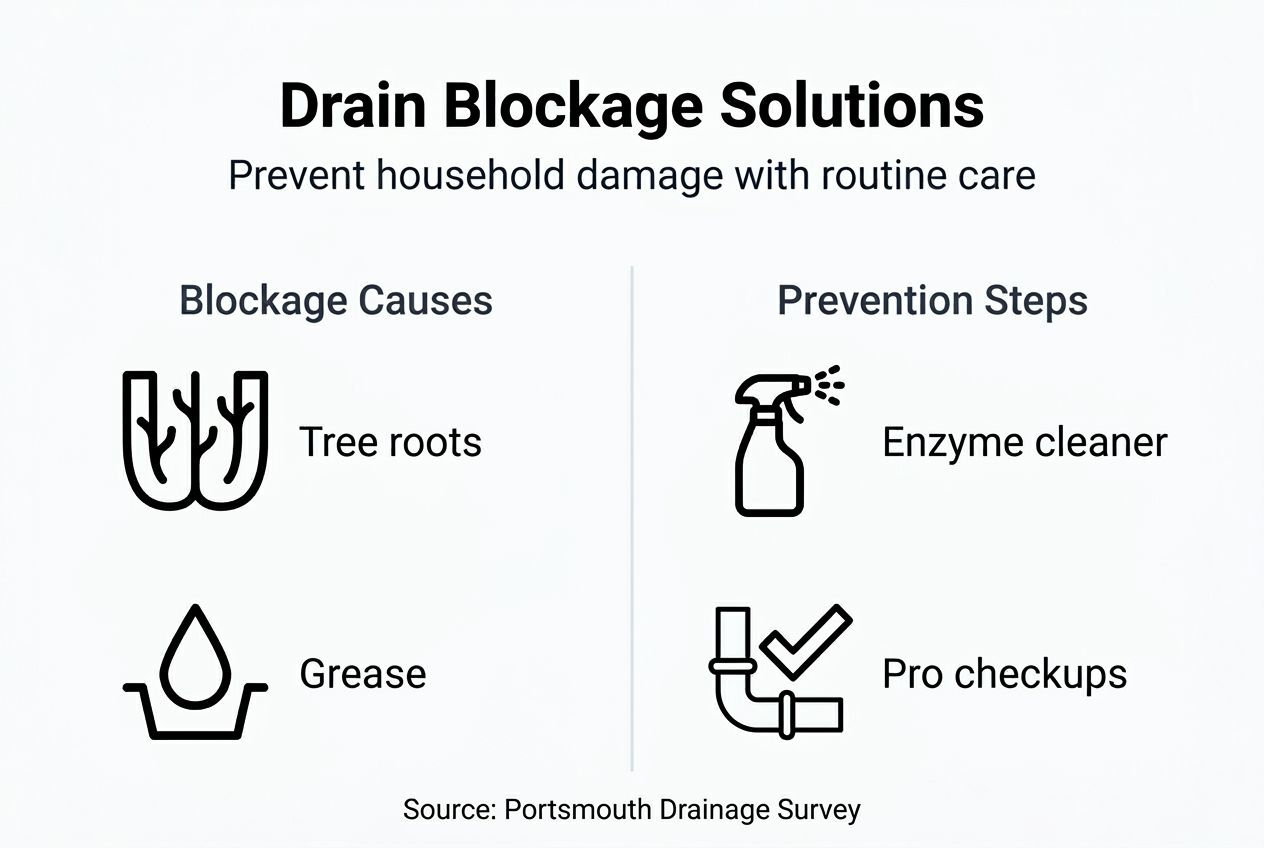
Scheduled inspections catch early warning signs before blockages fully develop. Professional drain surveys every two to three years identify developing root intrusions, pipe wear, and accumulating deposits. This proactive approach allows you to plan repairs during convenient times rather than facing emergency situations.
Pro Tip: Mark your calendar for seasonal drain cleaning maintenance after autumn leaf fall and before winter when outdoor access becomes difficult. Spring and autumn scheduling ensures your drainage system enters harsh weather periods in optimal condition.
Explore expert drain unblocking services for Portsmouth homeowners
Professional drainage specialists provide comprehensive solutions that DIY methods cannot match. Advanced equipment including CCTV cameras and high-pressure jetting systems deliver thorough blockage removal whilst preserving pipe integrity. Expert teams assess your specific situation and apply appropriate techniques for lasting results.
Modern drainage services combine diagnostic precision with powerful clearing technology. Technicians locate blockages accurately using camera inspection, then select targeted removal methods. High-pressure water jetting clears even stubborn root masses and decades of grease accumulation. This comprehensive approach addresses both immediate blockages and underlying causes.
Portsmouth homeowners benefit from service packages that include initial professional drain unblocker services, complete system inspection, and ongoing maintenance plans. Regular professional care prevents emergency situations whilst extending drainage system lifespan. Explore detailed drain jetting guides and practical DIY and professional drain unblocking tips to make informed decisions about protecting your home’s drainage health.
Frequently asked questions
How long does a typical drain unblocking take?
Simple blockages near drain openings often clear within 30 to 60 minutes using basic mechanical methods. Complex cases involving deep root intrusions or multiple affected drains can require several hours for complete clearance. Professional high-pressure jetting typically resolves most blockages faster than repeated DIY attempts, often completing work within two hours including inspection time.
How often should I have my drains professionally cleaned?
Most Portsmouth homes benefit from professional drain cleaning every 18 to 24 months as preventative maintenance. Properties with mature trees, heavy kitchen use, or previous blockage history should schedule annual service. Regular professional attention extends drain life and catches developing problems before they require emergency intervention.
Can tree roots be permanently removed from drains?
Professional jetting and mechanical cutting remove existing roots effectively, but trees continue seeking moisture through any available pipe access. Root barriers and pipe relining create physical obstacles that prevent re-entry. Complete prevention requires either removing the source tree or replacing vulnerable pipe sections with root-resistant materials.
Are chemical drain cleaners ever appropriate to use?
Chemical cleaners provide limited benefit for very minor organic blockages in metal pipes with adequate ventilation. However, they damage older pipes, create toxic fumes, and often fail to clear substantial blockages. Enzyme-based biological cleaners offer safer alternatives for light maintenance without the corrosion risks or environmental hazards.
What are typical costs for professional drain unblocking?
Basic callouts for straightforward blockages typically range from £80 to £150 including initial clearance. Complex cases requiring CCTV inspection, extensive jetting, or structural repairs cost £200 to £500 or more depending on severity. Emergency out-of-hours service carries premium rates, making scheduled preventative maintenance far more economical.
How can I tell if a blockage is serious enough for professional help?
Seek professional assessment when DIY attempts fail to restore normal flow, multiple drains back up simultaneously, or you notice recurring blockages in the same location. Foul odours, gurgling sounds from multiple fixtures, or visible sewage backup require immediate expert attention to prevent property damage and health hazards.