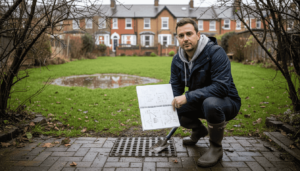
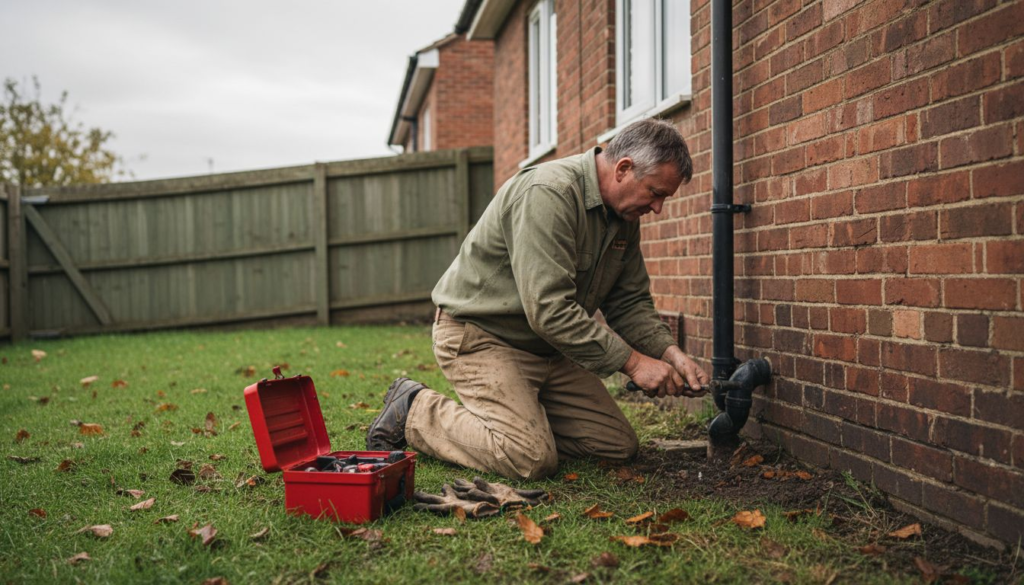
Most homeowners assume all drainage pipes work the same way, but this misconception leads to costly mistakes. Understanding the distinct types of drainage pipes, their specific materials, and proper installation methods protects your property from blockages, structural damage, and expensive repairs. This guide explains everything Portsmouth homeowners need to know about drainage pipes, from stormwater management to wastewater systems, equipping you with practical knowledge to maintain effective drainage year-round.
Table of Contents
- Understanding Drainage Pipe Types And Their Functions
- Common Drainage Pipe Materials: Advantages And Limitations
- How Drainage Systems Manage Stormwater And Wastewater Effectively
- Installation Best Practices For Drainage Pipes
- Common Drainage Issues Caused By Pipes And How To Prevent Them
- Practical Maintenance Tips To Keep Your Drainage Pipes Clear
- Professional Help For Drainage Issues In Portsmouth
- FAQ
Key takeaways
| Point | Details |
|---|---|
| Distinct pipe systems | Sanitary sewer lateral, stormwater drains, and sump pump discharge lines each serve unique drainage functions around your home. |
| Material matters | PVC offers durability and smooth flow whilst corrugated pipes provide flexibility but risk clogging more easily. |
| Slope is critical | Proper gradient of 0.5% to 2% ensures gravity moves water efficiently and prevents stagnation. |
| Separation prevents problems | Keeping stormwater and wastewater systems separate avoids overloading treatment plants and reduces backup risks. |
| Regular maintenance saves money | Routine inspections and professional cleanings prevent blockages before they cause serious damage. |
Understanding drainage pipe types and their functions
Your property relies on three main exterior drainage pipe systems working together to manage water flow effectively. Each system handles specific tasks that protect your home from water damage and maintain proper drainage throughout the year.
Sanitary sewer lateral pipes carry wastewater from toilets, sinks, and appliances to the municipal sewer system or septic tank. These typically measure 100mm to 150mm in diameter and use solid PVC or cast iron to prevent leaks. Stormwater drainage pipes collect rainwater from gutters, downspouts, and surface drains, channelling it away from foundations to prevent flooding. Sump pump discharge lines remove groundwater collected in basement sumps, pumping it to approved discharge locations away from your property.
Perforated pipes wrapped in gravel and filter fabric create French drains around foundations, collecting excess groundwater before it penetrates basement walls. These foundation drainage systems use 100mm corrugated or PVC pipes with holes along the bottom half, allowing water to enter whilst the gravel layer filters debris. The fabric prevents soil from clogging the gravel, maintaining long-term drainage capacity.
Common drainage pipe functions by type:
- Sanitary lateral: transports household wastewater to treatment facilities
- Stormwater drains: redirect surface water and rainfall away from structures
- Sump discharge: removes accumulated groundwater from below-ground spaces
- Foundation drains: prevent water pressure buildup against basement walls
| Pipe System | Typical Diameter | Primary Material | Main Function |
|---|---|---|---|
| Sanitary Sewer Lateral | 100mm-150mm | PVC, Cast Iron | Wastewater transport |
| Stormwater Drainage | 100mm-200mm | PVC, Corrugated | Surface water removal |
| Sump Pump Discharge | 38mm-50mm | PVC | Groundwater evacuation |
| Foundation Drains | 100mm | Perforated PVC/Corrugated | Subsurface drainage |
Common drainage pipe materials: advantages and limitations
Selecting the right pipe material determines how well your drainage system performs over decades of service. Each material offers distinct characteristics that suit specific applications and environmental conditions around Portsmouth properties.
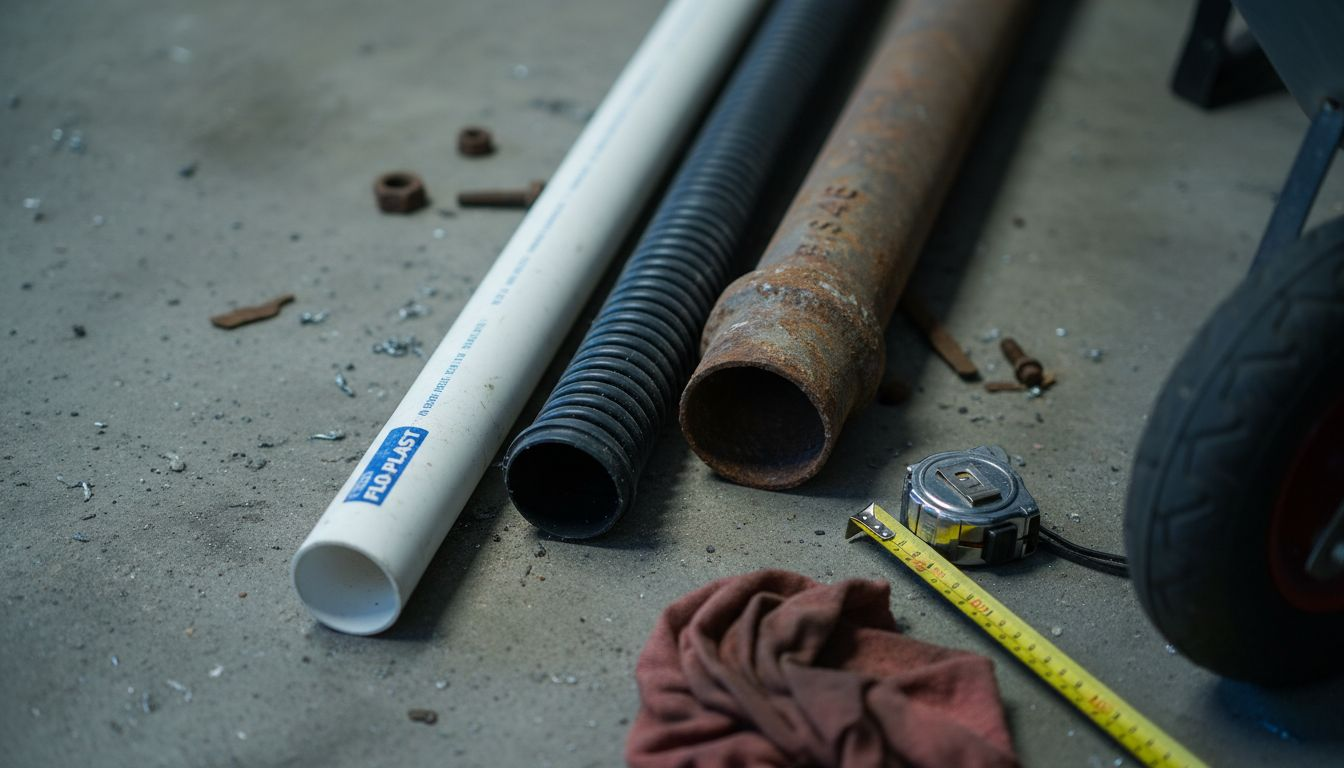
PVC pipes deliver 50 to 100 years of service under normal conditions, making them the most popular choice for residential drainage. These lightweight pipes resist corrosion, handle temperature fluctuations well, and cost significantly less than metal alternatives. The smooth interior surface reduces friction and blockage risk compared to corrugated options, particularly important for sanitary sewer lines where solid waste must flow freely.
Corrugated pipes bend easily around obstacles and uneven terrain, offering installation flexibility that rigid PVC cannot match. However, the ridged interior creates turbulence that slows flow and traps debris, requiring steeper slopes to maintain adequate drainage velocity. These pipes work best for foundation drains where flexibility matters more than flow efficiency.
Cast iron and copper pipes last longest but rarely appear in modern drainage installations due to high material and labour costs. Older Portsmouth homes may still have these durable materials in their original drainage systems, though PVC typically replaces them during renovations.
Pro Tip: Choose solid PVC for all sanitary sewer and main stormwater lines where smooth flow prevents blockages. Reserve corrugated pipes only for foundation drains and areas where flexibility outweighs the increased clogging risk.
| Material | Lifespan | Key Advantages | Main Limitations | Best Applications |
|---|---|---|---|---|
| PVC | 50-100 years | Corrosion-resistant, smooth interior, affordable | Limited flexibility, UV sensitive | Sanitary sewers, main stormwater lines |
| Corrugated | 20-50 years | Flexible, inexpensive, easy installation | Ridged interior traps debris, requires steep slope | Foundation drains, temporary systems |
| Cast Iron | 80-100 years | Extremely durable, quiet operation | Heavy, expensive, prone to rust over time | Legacy systems, sound-sensitive areas |
| Copper | 50+ years | Corrosion-resistant, antimicrobial | Very expensive, requires skilled installation | Specialised applications only |
How drainage systems manage stormwater and wastewater effectively
Proper drainage depends on keeping stormwater and sanitary wastewater completely separate throughout their journey from your property. Separation prevents overloading municipal treatment plants during heavy rainfall and reduces the risk of sewage backups flooding into homes when systems reach capacity.
Gravity moves water through drainage pipes without pumps or mechanical assistance in most residential systems. Engineers design pipes with downward slopes between 0.5% and 2%, creating enough velocity to carry solids and prevent sediment accumulation. A 1% slope means the pipe drops 10mm for every metre of horizontal distance, generating sufficient flow whilst avoiding erosion from excessive speed.
Stormwater discharges into local water bodies, roadside ditches, or soakaways where it returns to the natural water cycle. Municipal regulations strictly control discharge locations to prevent flooding and protect water quality. Sanitary wastewater travels to treatment plants where it undergoes purification before release, protecting public health and the environment.
How different water types flow through your property:
- Rainwater enters through gutters and surface drains, flowing to stormwater pipes
- Household wastewater exits through sanitary pipes to the sewer lateral
- Foundation drains collect groundwater, directing it to approved discharge points
- Sump pumps activate when groundwater reaches set levels, pumping to surface drains
Pro Tip: Pipe slope matters more than diameter for preventing blockages. Even large pipes clog quickly when installed too flat, whilst properly sloped smaller pipes maintain clear flow for years.
Installation best practices for drainage pipes
Correct installation determines whether your drainage system functions reliably or fails repeatedly, causing expensive water damage and frequent blockages. Following proven installation practices ensures optimal performance from the start.
Proper drainage pipes require slopes between 0.5% and 2% to harness gravity effectively. Mark the desired slope using string lines and a spirit level before excavating trenches, then compact the trench bottom to prevent settling that creates low spots where water pools.
Foundation drains need gravel layers and filter fabric to function correctly over time. Place 75mm of clean gravel beneath the perforated pipe, position the pipe with holes facing downward, then cover with another 150mm of gravel before wrapping the entire assembly in geotextile fabric. This configuration filters water whilst blocking soil particles that cause clogging.
Sump pump discharge lines must extend at least 3 metres from foundations and terminate at locations where water flows away from structures. Never discharge onto neighbouring properties or into sanitary sewer lines, as both practices violate building regulations and create liability issues.
Essential drainage pipe installation steps:
- Excavate trenches to required depth plus 100mm for bedding material
- Compact trench bottoms and install sand or gravel bedding layer
- Set pipes to specified slope using string lines and regular checks
- Wrap foundation drains in filter fabric after surrounding with gravel
- Test flow with water before backfilling to verify proper drainage
- Backfill carefully in layers, compacting each 150mm lift to prevent settlement
- Document pipe locations with photos and measurements for future reference
Pro Tip: Common installation mistakes include inadequate slope causing standing water, insufficient gravel around foundation drains leading to soil infiltration, and improper discharge locations that redirect problems to neighbours or public areas.
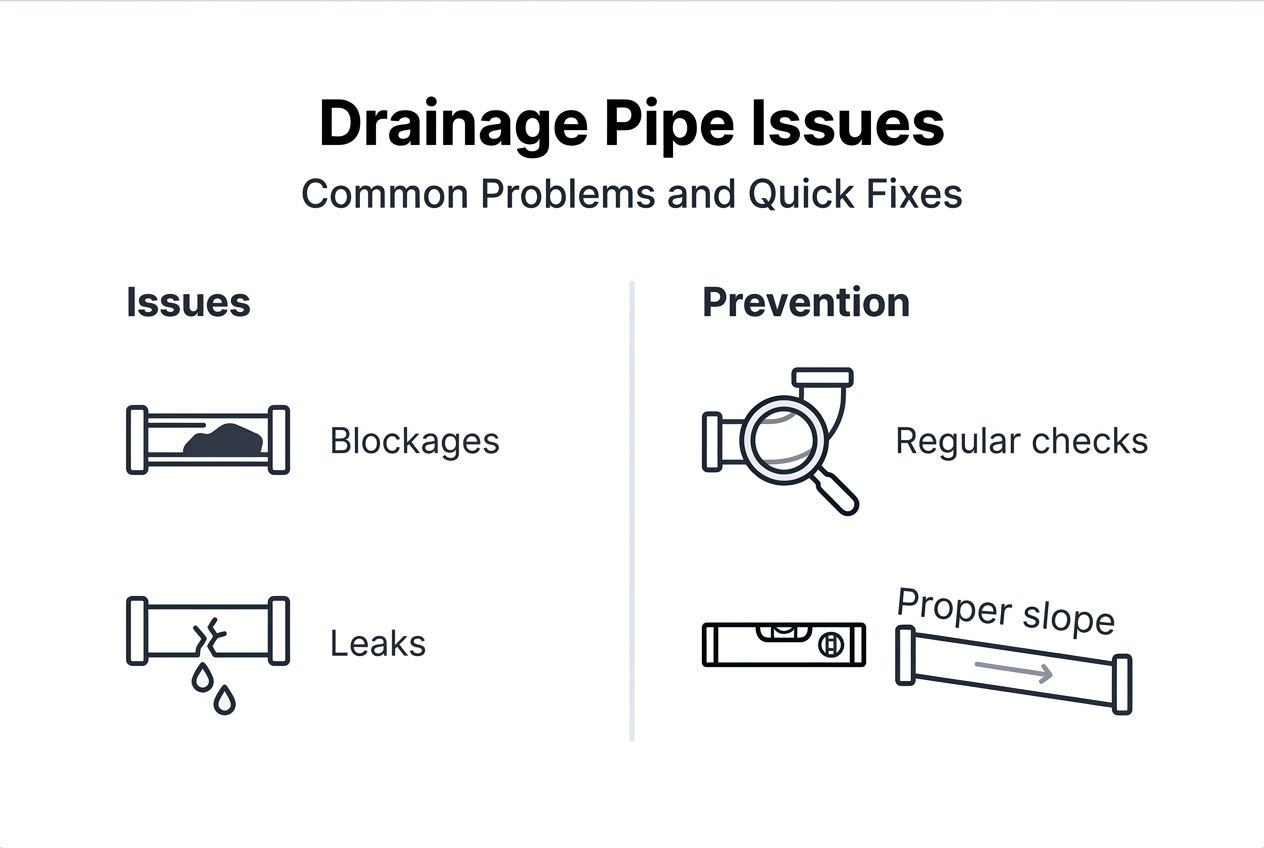
Common drainage issues caused by pipes and how to prevent them
Even well-designed drainage systems develop problems over time without proper attention to material selection and environmental factors. Understanding typical failure modes helps you prevent expensive emergencies through proactive maintenance.
Debris accumulation in corrugated pipes creates the most frequent blockage issue Portsmouth homeowners face. The interior ridges catch leaves, sediment, and organic matter that smooth PVC pipes would flush through easily. Root intrusion affects older clay and cast iron pipes as tree roots seek moisture, penetrating joints and cracks before expanding into complete blockages.
Material lifespan varies dramatically based on soil conditions, water chemistry, and installation quality. Acidic soils accelerate corrosion in metal pipes whilst expansive clay soils crack rigid pipes through repeated swelling cycles. Cheap thin-walled pipes save money initially but fail prematurely, requiring expensive excavation and replacement.
Preventative maintenance significantly reduces blockage frequency and severity. Regular inspections catch small problems before they escalate, whilst strategic landscaping keeps aggressive tree roots away from vulnerable pipe sections.
“Tree roots cause up to 50% of residential drainage blockages in established neighbourhoods, with roots capable of penetrating pipes through joints and cracks as small as 3mm before expanding to create complete obstructions.”
Effective drainage problem prevention strategies:
- Install root barriers between large trees and drainage pipes
- Choose PVC over corrugated pipes in areas prone to debris accumulation
- Schedule professional inspections every 3-5 years to identify developing issues
- Clear surface drains and gutters regularly to reduce sediment entering pipes
- Document pipe locations to avoid accidental damage during landscaping
Understanding your property’s specific drainage failure risks allows targeted prevention efforts that protect your investment whilst avoiding unnecessary maintenance expenses.
Practical maintenance tips to keep your drainage pipes clear
Consistent maintenance prevents most drainage problems whilst catching developing issues before they require emergency intervention. Simple routines protect your pipes and save thousands in potential repair costs.
Inspect visible drainage components quarterly, checking for standing water, slow drainage, or unusual odours that signal developing blockages. Walk your property after heavy rainfall to identify areas where water pools or flows incorrectly, indicating pipe problems or inadequate slope.
Manage debris around pipe entry points by clearing leaves and sediment from surface drains, downspout connections, and foundation drain outlets. Trim vegetation growing near drainage infrastructure to prevent root intrusion whilst maintaining clear access for inspections.
Professional drain unblocking and inspection services provide specialised equipment that detects problems invisible to homeowners. CCTV cameras identify cracks, root intrusion, and deteriorating joints before they fail completely, whilst high-pressure jetting removes accumulations that resist household cleaning attempts.
Drainage system maintenance checklist:
- Clear surface drains and gutter downspouts monthly during autumn
- Inspect visible pipe sections quarterly for cracks, leaks, or vegetation growth
- Test drainage flow after heavy storms by checking for standing water
- Schedule professional CCTV inspections every 3-5 years for early problem detection
- Flush accessible cleanout points annually to remove accumulated sediment
- Document any slow drainage or recurring blockages for professional assessment
- Maintain records of all maintenance activities and professional service visits
Portsmouth homeowners benefit from understanding their complete drainage system, including how rainwater management connects to foundation protection. Establishing routine drain cleaning habits prevents most blockages whilst knowing emergency unblocking procedures prepares you for unexpected problems.
Pro Tip: Schedule drainage inspections after heavy rain or seasonal changes when systems experience maximum stress. These timing points reveal weaknesses before they cause failures during the next weather event.
Professional help for drainage issues in Portsmouth
Whilst understanding drainage pipes empowers better property maintenance, some situations require professional expertise and specialised equipment. Recognising when to seek expert assistance prevents small problems from escalating into major damage.
Professional drainage services handle everything from emergency unblockings to comprehensive system inspections using CCTV technology that identifies problems deep underground. Expert technicians provide proven unblocking solutions that address root causes rather than temporary fixes, extending pipe lifespan whilst preventing recurring issues.
Routine professional maintenance complements your own inspection efforts, catching deterioration before it requires expensive excavation and replacement. Portsmouth homeowners benefit from local expertise familiar with regional soil conditions, common tree species, and typical drainage configurations found throughout the area. Contact specialist drainage services to schedule an assessment and protect your property investment with reliable, expert drainage care.
FAQ
What are the main types of drainage pipes used in homes?
Homes use three primary drainage pipe systems: sanitary sewer laterals that transport wastewater to treatment facilities, stormwater drains that redirect rainfall away from structures, and sump pump discharge lines that remove accumulated groundwater. Foundation drains using perforated pipes prevent water pressure buildup against basement walls.
How can I prevent blockages in my drainage pipes?
Regularly inspect and clear debris from surface drains, gutters, and visible pipe entry points to prevent accumulation. Avoid planting large trees within 3 metres of drainage pipes to minimise root intrusion risks. Schedule professional cleanings every few years, particularly for older systems or properties with mature landscaping that increases blockage vulnerability.
Why is pipe slope important in drainage installation?
Proper slope between 0.5% and 2% ensures gravity moves water efficiently through pipes without mechanical assistance. Inadequate slope allows water to pool and sediment to settle, creating blockages that require expensive clearing. Excessive slope causes erosion and pipe damage from high-velocity flow over time.
When should I call a professional for drainage issues?
Persistent blockages that resist DIY clearing attempts, multiple pipe problems occurring simultaneously, or sewage backups require immediate professional intervention. Contact experts promptly after flooding events or when you notice unusual odours suggesting hidden leaks. Whilst temporary fixes provide short-term relief, professionals ensure thorough problem resolution that prevents recurrence and identifies underlying system weaknesses.