Have you noticed soggy patches in your garden or strange smells near drains? These subtle signs often reveal deeper drainage problems that can lead to expensive repairs if ignored. Understanding why drainage systems fail and how to prevent these issues helps Portsmouth homeowners protect their properties from costly damage. This article explains common failure causes, warning signs, and practical prevention strategies tailored to local conditions.
Table of Contents
- Selection Criteria For Evaluating Drainage System Failures
- Drainage Field And Soakaway Failures
- Root Intrusion And Pipe Damage
- Design And Installation Failures
- Summary Comparison Of Drainage Failure Types
- Situational Recommendations For Portsmouth Properties
- Discover Expert Drain Unblocking And Maintenance Solutions In Portsmouth
Key takeaways
| Point | Details |
|---|---|
| Common causes | Poor design, root intrusion, and environmental factors like clay soil frequently cause drainage failures. |
| Early detection | Soggy soil, slow drainage, and unusual odours signal problems before major damage occurs. |
| Prevention matters | Regular maintenance and professional inspections extend system lifespan and avoid expensive repairs. |
| Local factors | Portsmouth’s clay soil and high water tables require specific drainage solutions. |
| Expert help | CCTV surveys and specialist assessments identify hidden issues early. |
Selection criteria for evaluating drainage system failures
Assessing drainage problems requires understanding environmental, material, and maintenance factors that influence failure risks. Soil type and water table levels significantly affect how well your drainage system performs.
Consider these key evaluation factors:
- Soil composition affects drainage efficiency, with clay reducing soakaway performance.
- Water table height determines whether drainage fields remain viable year-round.
- Pipe material and age reveal vulnerability to cracking or root damage.
- Maintenance history shows whether regular desludging and inspections occurred.
- Vegetation proximity indicates potential root intrusion risks.
Misconnections of drainage pipes affect up to one in five properties in some UK regions, causing pollution and drainage inefficiencies. Professional drainage troubleshooting Portsmouth services help identify these hidden issues.
Septic tank condition and soakaway system effectiveness require careful examination. Older systems may have outdated designs that no longer meet current standards. Understanding the role of drainage specialists Portsmouth professionals play helps you prioritise inspections.
Pro Tip: Schedule a drain CCTV inspection Portsmouth service annually if your property has mature trees or is over 25 years old. This proactive approach catches problems before they escalate.
Drainage field and soakaway failures
Drainage fields and soakaways face specific challenges in Portsmouth due to local soil conditions and common installation mistakes. Connection of roof water to foul drains causes sludge disruption in septic tanks, leading to drainage field blockages and failure.
Roof water misconnection disrupts septic tank processing by overwhelming the biological treatment process. This causes solids to carry through to drainage fields, clogging the pipes and soil. Seasonally high water tables and clay soils significantly reduce drainage field effectiveness in Portsmouth.
Key failure indicators include:
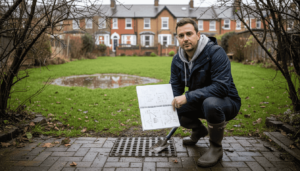
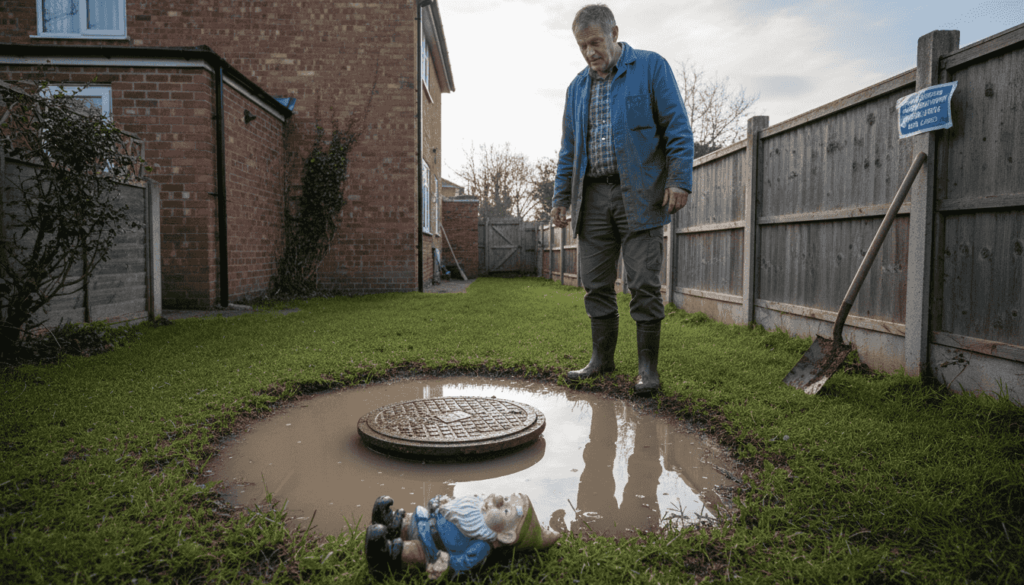
- Persistently soggy ground above the drainage field.
- Slow drainage from indoor fixtures like sinks and toilets.
- Foul odours near the soakaway or drainage field area.
- Pooling water that doesn’t soak away after rain.
- Lush vegetation growth over the drainage field.
Infrequent desludging of septic tanks causes solid carryover into drainage fields, causing blockages and failure. Most septic tanks require desludging every 12 to 36 months, depending on household size and usage. Neglecting this maintenance allows solids to accumulate and eventually flow into the soakaway system.
Regular maintenance prevents expensive soakaway replacement, which can cost £3,000 to £10,000 depending on property size and ground conditions.
Early intervention through professional drainage troubleshooting Portsmouth services saves thousands in remediation costs. Addressing drainage field failure causes promptly protects your property investment.
Root intrusion and pipe damage
Tree roots naturally seek moisture and nutrients, making drainage pipes attractive targets. Root intrusion causes pipe blockages, cracks, and collapses, particularly affecting older clay pipes.
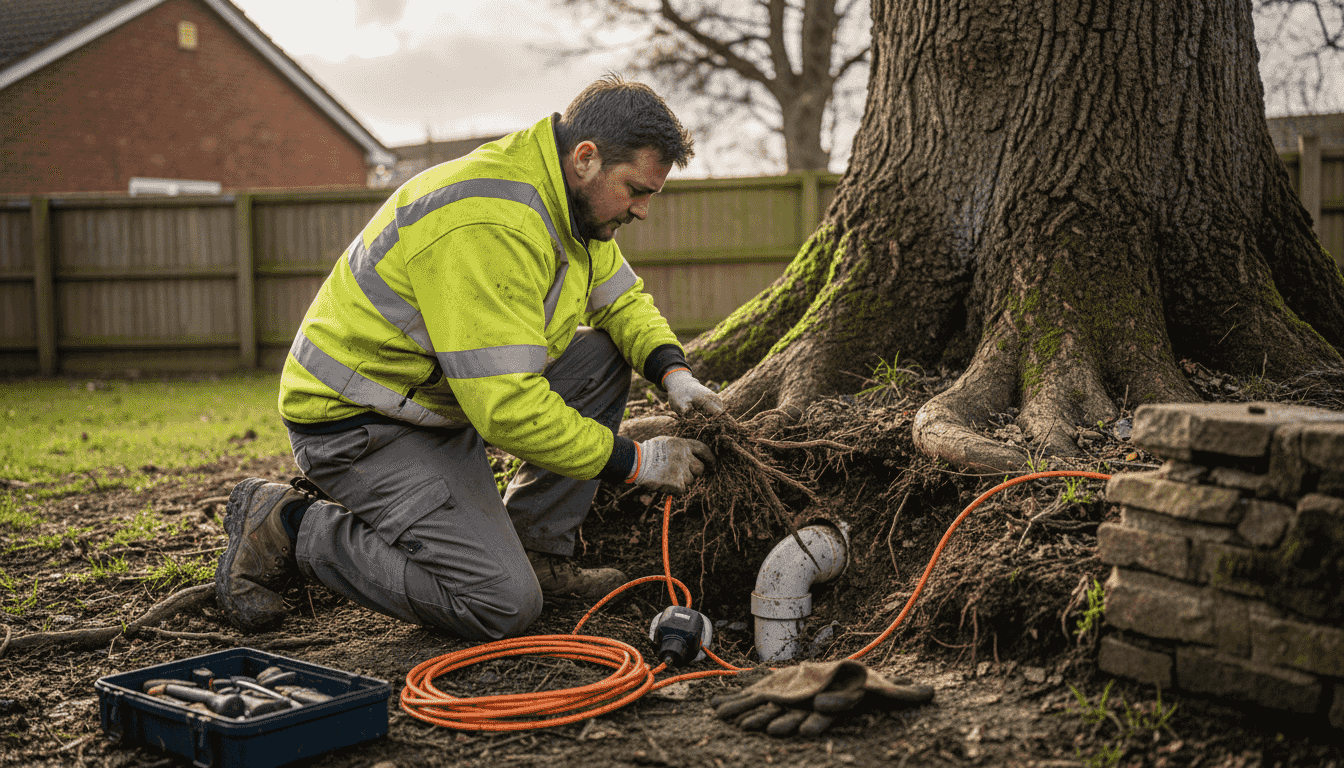
Roots enter through tiny gaps at pipe joints, then expand as they grow. This expansion widens cracks and creates complete blockages. Clay pipes prove especially vulnerable because their joints provide easy entry points and the material fractures more readily than modern plastics.
Common root intrusion symptoms:
- Recurring blockages in the same drain section.
- Slow drainage that worsens over time.
- Gurgling sounds when water flows through pipes.
- Multiple fixtures backing up simultaneously.
- Visible tree roots in garden inspection chambers.
Prevention strategies include installing root barriers near pipes when planting trees. These physical shields redirect roots away from drainage infrastructure. Selecting PVC or HDPE pipes for repairs provides better joint integrity than older clay materials.
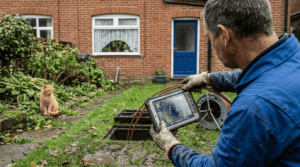
Professional root cutting services clear existing intrusions, whilst pipe lining repairs damaged sections without excavation. CCTV surveys reveal the extent of root penetration, guiding appropriate drain repair vs replacement decisions.
Pro Tip: Keep trees at least three metres from drainage pipes, and choose slow-growing species with less aggressive root systems for areas near underground infrastructure.
Early detection via drain CCTV inspection Portsmouth services helps avoid pipe collapse. Understanding root intrusion effects enables proactive management before major damage occurs.
Design and installation failures
Poor system design and defective installation create drainage problems from day one. Poor initial drainage system design and workmanship cause early failures and insurance claims in self-build and remodelled properties.
Common design flaws include:
- Incorrect pipe gradients that prevent proper water flow.
- Inadequate soakaway capacity for property size and rainfall.
- Wrong pipe materials for soil conditions and expected loads.
- Insufficient access points for future maintenance.
- Misplaced inspection chambers that complicate repairs.
Misconnections of drainage pipes affect up to one in five properties in some UK regions. These errors connect foul waste to surface water drains or vice versa, causing pollution and reducing system efficiency. Surface water overwhelming septic systems leads to treatment failures and environmental damage.
Professional design and installation greatly reduce failure risks. Qualified drainage engineers understand Building Regulations and British Standards for proper system specification. Their work supports insurance claims if problems emerge, whilst DIY or unqualified installations often void coverage.
Self-build and renovated properties show higher failure rates from workmanship defects. Rushed installations, cost cutting on materials, or inexperienced contractors create long-term problems. Proper supervision during construction and final testing before covering pipes prevent many issues.
Regular inspections detect installation faults early. Professional drain unblocking Portsmouth homes services identify design problems before they escalate. Understanding design and workmanship failures and misconnected drains issues helps you assess whether your system meets standards.
Engaging specialists for drain repair vs replacement decisions ensures proper remediation when design flaws emerge.
Summary comparison of drainage failure types
Comparing major drainage failures helps you recognise problems and understand repair approaches. Failed drainage systems reduce property value by causing structural damage, mould, floods, and poor landscape aesthetics.
| Failure type | Primary causes | Common symptoms | Repair complexity | Approximate cost range |
|---|---|---|---|---|
| Drainage field | Poor soil percolation, high water table, misconnections | Soggy ground, slow indoor drainage, odours | Moderate to high | £500 to £10,000 |
| Root intrusion | Tree proximity, older clay pipes, poor joint sealing | Recurring blockages, slow flow, gurgling | Low to moderate | £200 to £3,000 |
| Pipe collapse | Age, ground movement, heavy traffic loads | Complete blockage, subsidence, visible cracking | High | £1,000 to £8,000 |
| Misconnections | Design errors, DIY installations, poor oversight | Pollution, treatment failures, surcharging | Moderate | £800 to £4,000 |
| Soakaway saturation | Clay soil, inadequate capacity, lack of maintenance | Surface pooling, system backup, garden flooding | Moderate to high | £1,500 to £7,000 |
Drainage field failure stems from environmental factors Portsmouth homeowners frequently face. Clay soils reduce percolation rates, whilst seasonal water tables saturate drainage fields during winter months. Regular desludging and proper design prevent most issues.
Root intrusion commonly affects properties with mature vegetation. Proactive root cutting and barrier installation cost far less than emergency repairs. Modern pipe materials resist root penetration better than older clay systems.
Pipe collapse results from ageing infrastructure and ground pressure. Full replacement proves necessary when structural integrity fails. Early detection through inspections identifies weakening pipes before complete failure.
Misconnections require corrective rewiring to separate foul and surface water properly. These drainage failure consequences extend beyond your property, potentially causing environmental pollution.
Repair costs vary widely based on failure extent and access difficulty. Early intervention consistently reduces expenses and prevents secondary damage to buildings and landscapes.
Situational recommendations for Portsmouth properties
Tailoring prevention and repair strategies to your specific property conditions maximises effectiveness and minimises costs. Portsmouth’s unique characteristics require targeted approaches.
Clay soil properties necessitate enhanced soakaway design. Standard installations often fail in heavy clay, requiring larger drainage fields or alternative systems like treatment plants with direct discharge. Testing soil percolation rates before installation prevents future problems.
Properties with mature trees should implement preventative measures:
- Install physical root barriers between trees and drainage pipes.
- Schedule root cutting every three to five years for high-risk species.
- Replace vulnerable clay pipes with root-resistant materials during renovations.
- Maintain regular CCTV inspections to monitor root activity.
- Avoid planting willows, poplars, or oaks near drainage infrastructure.
Older systems showing warning signs often require replacement rather than repeated repairs. Pipes installed before 1980 typically use clay construction prone to root damage and collapse. Modern PVC or HDPE systems last 50 years or more with minimal maintenance.
Pro Tip: Request a drainage system survey when purchasing older Portsmouth properties. This identifies existing problems before completion, allowing negotiation on repair costs or installation of new systems.
Engaging specialists early saves money by preventing extensive damage. Professional diagnostics pinpoint exact failure locations, avoiding unnecessary excavation. Understanding your property’s specific challenges guides appropriate drain repair vs replacement choices.
Regular maintenance schedules extend system longevity. Annual inspections, periodic desludging, and prompt attention to warning signs prevent most failures. Professional drainage troubleshooting Portsmouth services provide tailored maintenance programmes.
Local conditions affect drainage performance significantly. Coastal properties face different challenges than inland locations. Drain CCTV inspection Portsmouth specialists understand these regional variations and recommend appropriate solutions.
Discover expert drain unblocking and maintenance solutions in Portsmouth
Protecting your property from drainage failures requires professional expertise and regular maintenance. Understanding failure causes helps, but implementing effective solutions demands specialist knowledge and equipment.
Professional drain unblocking solutions prevent costly system damage and restore proper water flow quickly. Experienced technicians identify underlying problems rather than just clearing symptoms. Advanced drain CCTV inspection services reveal hidden faults before failures occur, saving thousands in emergency repairs.
Choosing between repair and replacement depends on thorough assessment. Specialists evaluate pipe condition, soil characteristics, and cost effectiveness to recommend optimal drain repair vs replacement options for your specific situation. Local drainage experts understand Portsmouth’s unique challenges, from clay soil to coastal conditions, ensuring solutions work long-term.
Frequently asked questions
What are the early signs of a failing drainage system?
Watch for slow indoor drainage from sinks and toilets, which indicates developing blockages. Soggy patches or unpleasant odours in your garden suggest drainage field problems. Gurgling noises when water flows signal air trapped by partial blockages.
How often should I desludge my septic tank to prevent drainage field failure?
Desludge every 12 to 36 months depending on household size and water usage. Larger families need more frequent desludging to prevent solid buildup. Skipping this maintenance causes solids to overflow into drainage fields, leading to expensive blockages.
Can tree roots really damage drainage pipes?
Yes, roots infiltrate through tiny gaps at pipe joints, then expand as they grow. This widens cracks and creates complete blockages. Clay pipes suffer most from root damage, whilst modern materials resist intrusion better.
When should I replace drainage pipes rather than repair them?
Replace pipes showing extensive cracking, collapse, or severe root damage throughout multiple sections. Repairs suit localised problems like single joint failures or minor blockages. Professional drain repair vs replacement assessment determines the most cost-effective approach.