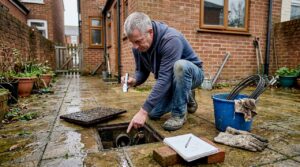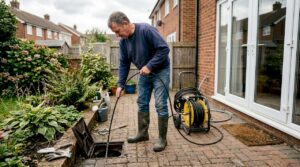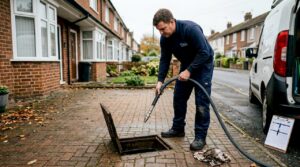
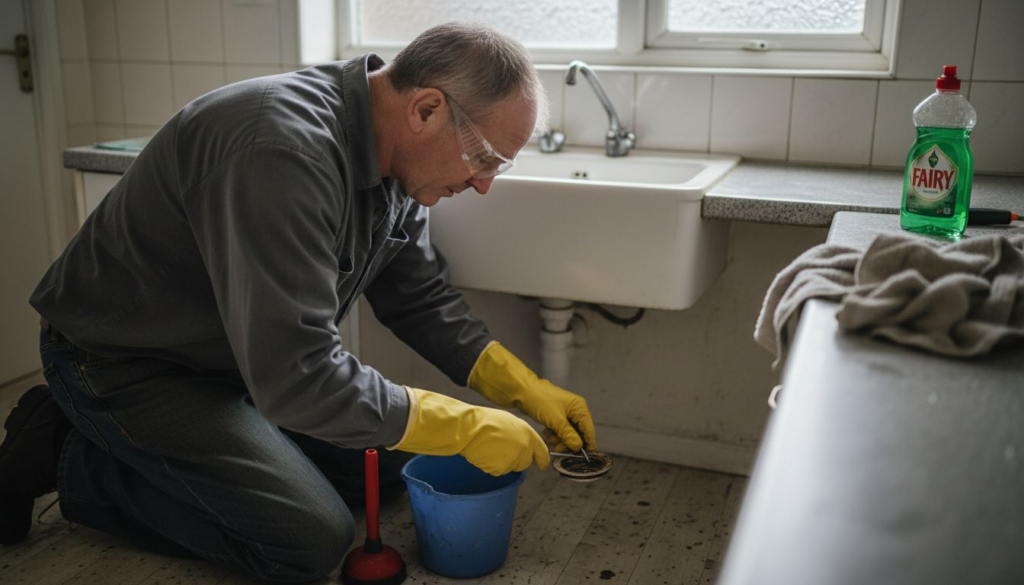
A blocked drain at 2am transforms your quiet Portsmouth home into a scene of panic and potential property damage. When wastewater backs up into sinks or baths, every minute counts. This guide arms you with immediate, practical steps to safely unblock drains and protect your property from escalating harm.
Table of Contents
- Prerequisites And What You Need
- Core Steps To Unblock Drain
- Safety Considerations
- Common Mistakes And Troubleshooting
- When To Seek Professional Help
- Expected Results And Outcomes
- Services To Solve Stubborn Drain Blockages In Portsmouth
- Frequently Asked Questions
Key takeaways
| Point | Details |
|——-|———||
| Preparation is essential | Gather plunger, drain snake, gloves, and eye protection before starting any unblocking work. |
| Start with manual methods | Use plunger first with firm, consistent pressure for best results before considering other options. |
| Respect the 30-minute rule | Stop DIY attempts after 30 minutes and contact professional drainage services if blockage persists. |
| Safety prevents damage | Proper protective equipment and careful technique reduce injury risks and avoid costly pipe damage. |
| Success means clear flow | Effective unblocking restores normal drainage within 15 to 30 minutes without odours or backups. |
Prerequisites and what you need
Before tackling any emergency drain blockage, assembling the right tools and safety equipment determines whether you succeed or worsen the situation. Proper preparation significantly increases success whilst protecting you and your drainage system.
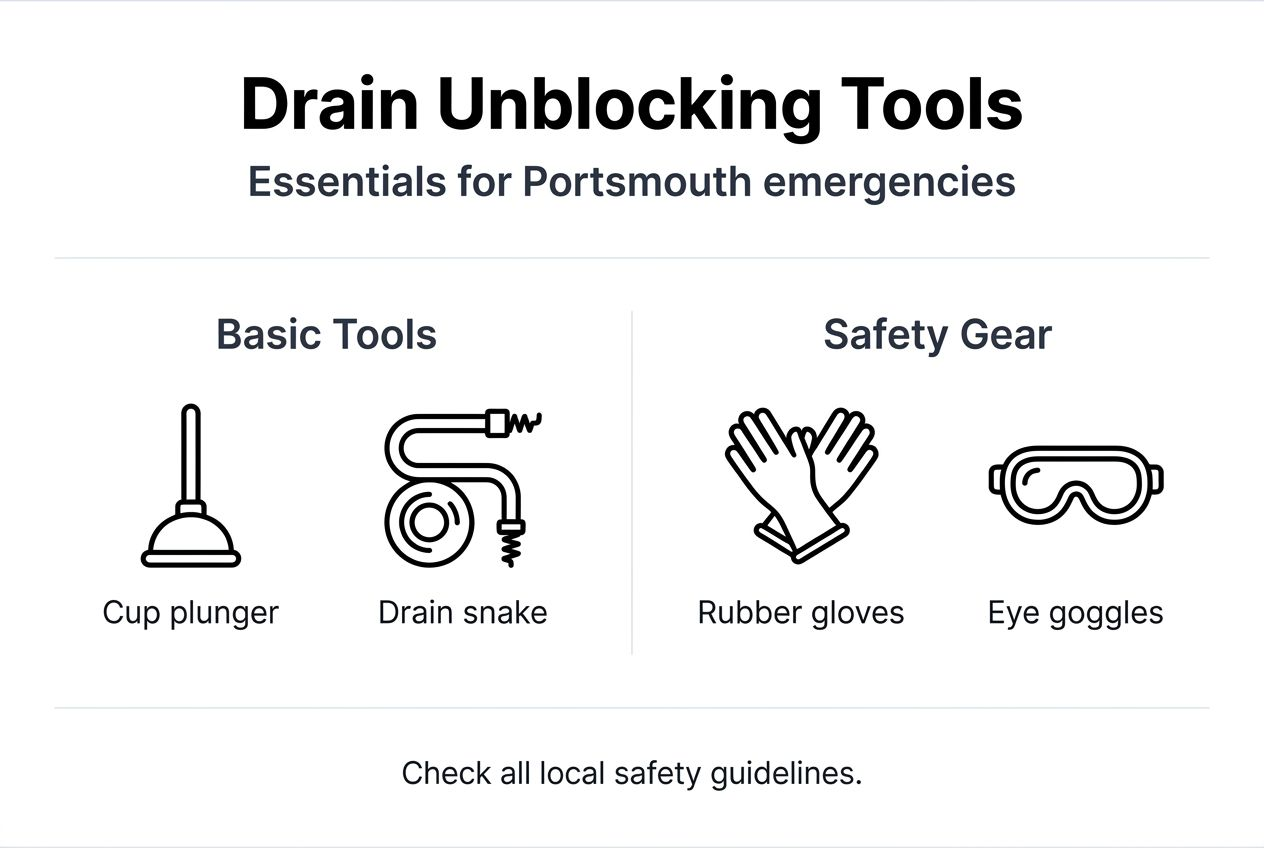
Your essential toolkit includes a cup plunger for sinks and baths, a flanged plunger for toilets, and a manual drain snake or auger for deeper blockages. You’ll also need thick rubber gloves, safety goggles, a bucket, old towels, and a torch for visibility. Keep these items accessible in a designated spot so you’re never scrambling during an emergency.
Essential equipment checklist:
- Cup plunger and flanged plunger for different drain types
- Manual drain snake or flexible auger (3 to 6 metres)
- Heavy duty rubber gloves and safety goggles
- Large bucket and absorbent towels
- Torch and spare batteries for inspecting drains
| Tool | Primary use | Approximate cost |
|---|---|---|
| Cup plunger | Sinks, baths, showers | £8 to £15 |
| Flanged plunger | Toilets | £10 to £18 |
| Manual drain snake | Deep blockages | £15 to £40 |
| Rubber gloves | Hand protection | £3 to £8 |
| Safety goggles | Eye protection | £5 to £12 |
Clear the area around the affected drain completely. Move toiletries, bathroom accessories, or kitchen items away from the workspace. Ensure good ventilation by opening windows or doors because working in confined spaces with poor air circulation increases discomfort and potential fume exposure.
Understanding your basic drainage layout helps identify where blockages typically occur. Portsmouth homes often feature U-bends beneath sinks and toilets that trap debris. Knowing these vulnerable points lets you target your efforts effectively rather than guessing.
Pro Tip: Place old towels around the base of your working area to catch any water splashes or overflow, protecting floors from water damage during the unblocking process.
Invest time in this preparation stage because rushing into unblocking without proper tools or safety gear leads to injury, incomplete clearing, or damaged pipes that cost far more to repair than the original blockage.
Core steps to unblock drain
Once you’ve gathered your tools and prepared your workspace, follow this proven sequence to safely tackle emergency drain blockages. Each step builds on the previous one, escalating from simplest to more involved techniques.
Step 1: Initial assessment and manual clearing
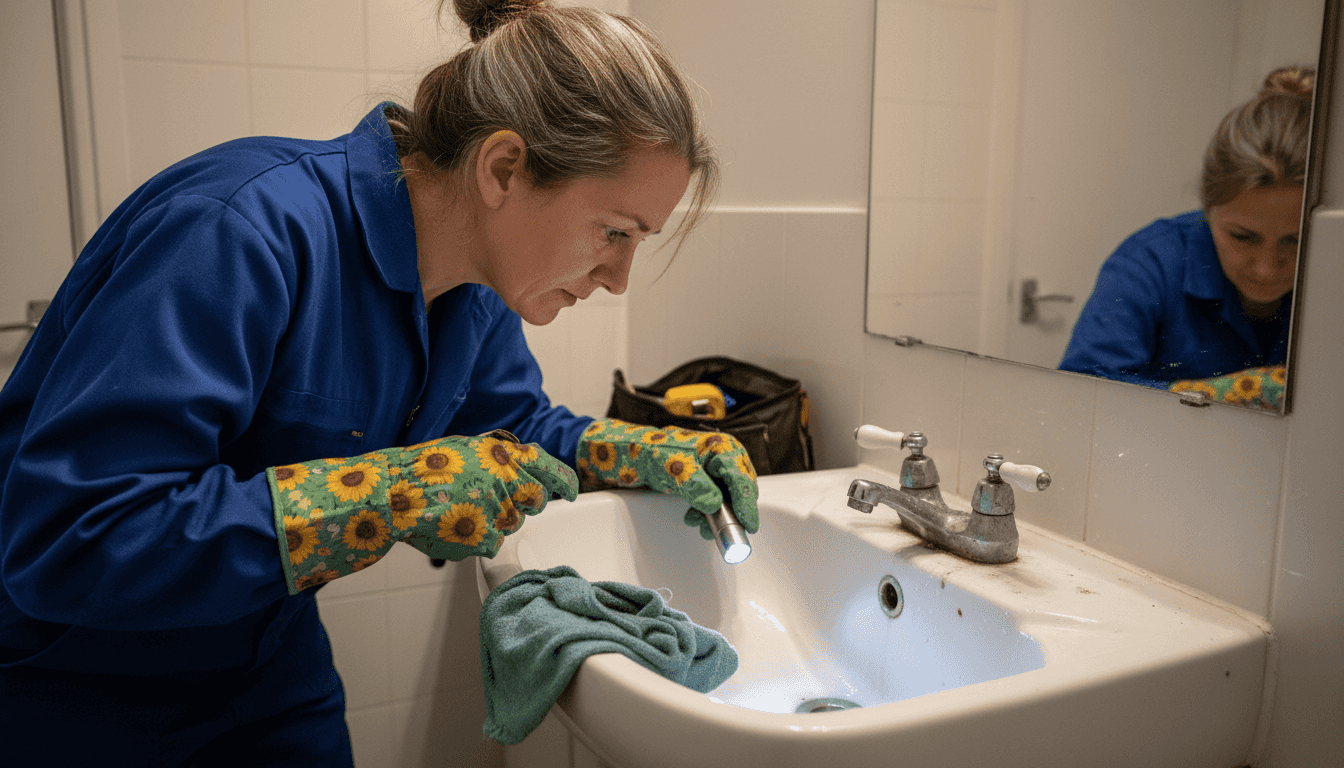
Put on your rubber gloves and safety goggles first. Remove the drain cover or stopper and inspect the visible opening with your torch. Often, hair, soap scum, or food debris sits just below the surface. Pull out any accessible material by hand or with a bent wire hanger.
Step 2: Deploy the plunger technique
Fill the sink or bath with enough water to cover the plunger cup by about 5cm. This creates the hydraulic seal necessary for effective plunging. Position the plunger directly over the drain opening, ensuring complete coverage with no air gaps. Push down firmly but smoothly, then pull up sharply. The plunger succeeds in 80% of cases when used correctly for 3 to 5 minutes with consistent rhythm.
Step 3: Maintain proper plunging rhythm
Continue the push and pull motion for 15 to 20 repetitions, then check if water drains freely. If partial drainage occurs, you’re making progress. Repeat the plunging cycle up to three times, allowing 2 minutes between cycles to assess improvement. Never plunge violently because excessive force can damage pipe seals.
Step 4: Introduce the drain snake for stubborn blockages
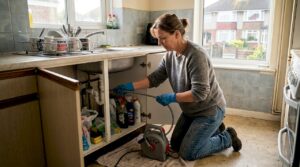
If plunging fails after three cycles, carefully insert a manual drain snake into the drain opening. Feed the snake slowly whilst rotating the handle clockwise. When you feel resistance, you’ve likely reached the blockage. Continue rotating to break through or hook the obstruction, then slowly withdraw the snake. You may need multiple insertions to fully clear the blockage.
Step 5: Avoid premature chemical solutions
Resist the temptation to pour chemical drain cleaners during this emergency phase. Chemicals require time to work and can create hazardous conditions if they fail to clear the blockage. Mechanical methods remain safer and more controllable for immediate situations.
Numbered process summary:
- Assess and manually remove visible debris (2 to 3 minutes)
- Apply plunger with proper seal and rhythm (15 to 20 minutes)
- Deploy drain snake if plunger unsuccessful (10 to 15 minutes)
- Test drainage flow after each method
- Document what worked for future reference
Pro Tip: Mark your drain snake at 30cm intervals with waterproof tape so you know exactly how deep the blockage sits, helping you target that depth more effectively on subsequent attempts.
This methodical approach gives you the best chance of clearing common blockages safely. Remember, you’re working against a strict 30 minute limit for DIY attempts because prolonged efforts often signal a problem requiring professional equipment.
Safety considerations
Protecting yourself and your property during emergency drain unblocking requires conscious attention to safety protocols that prevent injury and avoid compounding the original problem.
Always wear heavy duty rubber gloves that extend past your wrists to protect against bacteria, sewage contamination, and sharp objects hidden in drains. Safety goggles shield your eyes from splashes containing harmful microorganisms or chemical residues from previous treatments. These simple precautions prevent infections that can develop from even brief exposure to contaminated water.
Chemical drain cleaners pose significant risks during emergency situations. They generate heat that can crack older pipes, release toxic fumes in poorly ventilated spaces, and cause severe chemical burns if splashed on skin. Statistics show chemical cleaners damage pipes in up to 25% of improper applications. The emergency phase demands mechanical solutions that you control completely.
Critical safety protocols:
- Never mix different chemical products, even in separate attempts days apart
- Ensure continuous ventilation throughout your unblocking work
- Keep children and pets away from the work area completely
- Avoid reaching into drains beyond your visible sight line
- Stop immediately if you notice unusual pipe sounds or movements
Ventilation deserves special emphasis because even non-chemical unblocking releases trapped gases and odours from decomposing organic matter. Open windows and doors create cross ventilation that disperses these gases safely. If you feel lightheaded or nauseous, step outside immediately and reassess whether professional help is needed.
“The majority of homeowner injuries during drain unblocking stem from improper tool use and inadequate protective equipment, not the blockage itself.”
Exercise care when using drain snakes because excessive force can puncture older pipes or push blockages deeper into the system. Rotate the snake gently and withdraw slowly to avoid snagging on pipe joints. If you encounter unexpected resistance, stop rather than forcing the tool forward.
Electrical safety matters too. Never use electrical equipment near standing water and ensure your hands are dry when handling torches or other battery powered tools. Water and electricity create lethal combinations in confined bathroom spaces.
Finally, know your physical limits. Prolonged bending over sinks or toilets strains your back and neck. Take breaks every 5 to 7 minutes to stand upright and stretch. Emergency drain unblocking requires sustained effort, but injuring yourself defeats the purpose of DIY action.
Common mistakes and troubleshooting
Even experienced homeowners make predictable errors during emergency drain unblocking that reduce success rates and potentially worsen the situation. Understanding these pitfalls helps you avoid them when stress and urgency cloud judgement.
Overreliance on chemical drain cleaners tops the mistake list. Homeowners pour increasingly large amounts when the first application fails, creating a caustic soup that damages pipes and poses disposal problems. Research indicates 40% of DIY failures stem from poor technique and excessive chemical use. Mechanical methods should always come first.
Improper plunger technique undermines effectiveness dramatically. Creating an incomplete seal allows air to escape rather than directing hydraulic pressure at the blockage. Plunging too rapidly or too slowly reduces the pressure differential needed to dislodge obstructions. The rhythm matters as much as the effort.
Frequent DIY errors to avoid:
- Using sink plungers on toilets or toilet plungers on sinks
- Plunging without sufficient water to create proper seal
- Forcing drain snakes aggressively instead of rotating gently
- Continuing identical unsuccessful techniques beyond 15 minutes
- Ignoring warning signs like gurgling sounds from other drains
| Method | Effectiveness | Risk level | Best for |
|---|---|---|---|
| Plunger | 80% success | Low | Surface blockages |
| Drain snake | 60% success | Medium | Deep blockages |
| Chemical cleaners | 40% success | High | Organic buildup only |
| Boiling water | 30% success | Low | Grease deposits |
Another critical mistake involves persisting with unsuccessful methods past the 30 minute mark. This arbitrary limit exists because most DIY accessible blockages respond within this timeframe. Continuing beyond 30 minutes usually means the blockage requires professional equipment like powered augers or high pressure water jets.
Homeowners often misdiagnose the blockage location, treating the wrong drain whilst the actual problem sits elsewhere in the system. If multiple drains show slow drainage simultaneously, the blockage likely sits in a shared pipe section beyond reach of household tools. This scenario demands immediate professional assessment.
Pro Tip: Keep a drainage diary noting which drains slow down first during blockages because this pattern reveals your system’s vulnerable points and helps professionals diagnose issues faster during emergency calls.
Failing to test thoroughly after initial success creates false confidence. Run taps for several minutes and observe drainage speed. Partial clearing often reblocks within hours because residual debris accumulates quickly. Complete clearing means rapid drainage with strong vortex action at the plug hole.
Understanding what drain unblockers can and cannot achieve helps set realistic expectations. Some blockages, particularly those involving collapsed pipes, root intrusion, or hardened mineral deposits, simply cannot be cleared with household tools regardless of technique or persistence.
When to seek professional help
Recognising when DIY efforts must stop and professional intervention becomes necessary protects your property from escalating damage and saves money in the long term. Several clear indicators signal it’s time to contact drainage specialists.
The 30 minute rule provides your primary stopping point. If you’ve followed proper techniques with plunger and drain snake for this duration without significant improvement, continuing risks worsening the blockage or damaging pipes. Professional drainage companies possess powered equipment that reaches deeper blockages without the force that damages pipes.
Visible signs of pipe damage or leaks appearing during your unblocking attempts demand immediate cessation. Water seeping from pipe joints, unusual creaking sounds, or pipe movement all indicate structural stress. Continuing work risks catastrophic failure that floods your home and requires extensive repairs.
Definitive signs requiring professional help:
- Multiple drains backing up simultaneously across different rooms
- Sewage odours intensifying despite unblocking efforts
- Water backing up into other fixtures when you flush or drain
- Visible water damage appearing on ceilings or walls near drains
- Complete blockage persisting after 30 minutes of proper technique
Recurring blockages within days or weeks of clearing indicate underlying problems beyond simple debris accumulation. Tree root intrusion, pipe collapse, or severe scale buildup require professional diagnosis and solutions. Attempting repeated DIY clearing wastes time whilst the root cause deteriorates further.
Health hazards escalate rapidly when sewage enters living spaces. Raw sewage contains dangerous pathogens causing serious illness through direct contact or airborne transmission. If you notice sewage backing up into baths, showers, or sinks, evacuate the affected area and contact professionals immediately. The persisting blockage signs beyond 30 minutes clearly require expert intervention.
“Professional drainage specialists clear 95% of blockages within 2 hours using equipment and expertise unavailable to homeowners, preventing the property damage that accompanies prolonged blockages.”
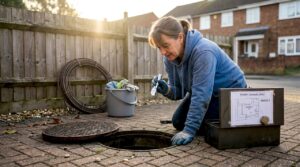
Outdoor drain blockages involving inspection chambers or main sewer lines exceed DIY capabilities from the start. These systems operate under different pressure conditions and involve shared infrastructure requiring specialist knowledge and equipment. Never attempt to clear these yourself.
Finally, if you feel uncomfortable or uncertain at any point, stopping and calling professionals is always the right decision. The modest cost of professional service pales against the potential expense of botched DIY attempts causing pipe damage, flooding, or personal injury. Your safety and property protection outweigh any cost saving from DIY work.
Expected results and outcomes
Understanding realistic timeframes and success indicators helps you assess whether your emergency drain unblocking efforts are working and when to adjust your approach.
Typical household drain blockages caused by hair, soap, and organic debris clear within 15 to 30 minutes using proper plunging technique. The 80% success rate within this timeframe reflects blockages accessible to household tools. If you’re not seeing progress within this window, the blockage likely requires professional attention.
Successful unblocking produces immediate, observable changes. Water drains rapidly with a distinct vortex action at the plug hole. You’ll hear normal gurgling sounds as air replaces water in pipes. Foul odours dissipate within minutes as trapped water and debris clear. Standing water disappears completely within 2 to 3 minutes of clearing.
Signs of successful drain clearing:
- Rapid water drainage matching normal flow rates
- Strong vortex action at drain opening during drainage
- Absence of gurgling from other connected drains
- No lingering sewage or stagnant water odours
- Consistent drainage across multiple uses over several hours
Partial success, where drainage improves but remains slower than normal, indicates incomplete clearing. Debris remains in the pipe partially obstructing flow. This situation often resolves with one or two additional plunging cycles targeting the remaining material. However, if partial drainage persists after your third attempt, professional clearing ensures complete resolution.
Some blockages recur within 24 to 48 hours despite initially successful clearing. This pattern suggests either incomplete removal of the original blockage or underlying system problems like pipe damage or inadequate gradient. Recurrent blockages always warrant professional inspection because they signal issues beyond simple debris accumulation.
After clearing the blockage, run water continuously for 3 to 5 minutes to flush remaining debris through the system. This final flush test confirms the blockage has cleared completely and prevents reformation from residual material. Observe drainage in other connected fixtures simultaneously because shared pipes can harbour debris that migrates to different outlets.
Pro Tip: Document your successful unblocking by noting exactly which technique worked, how long it took, and what tools you used so you have a proven reference for future emergencies in the same drain.
Realistically assess that some blockages involving collapsed pipes, severe root intrusion, or main sewer line issues cannot be cleared with household tools regardless of effort or technique. These situations require professional equipment like powered drain augers, high pressure water jets, or pipe repair. Recognising this limitation quickly prevents wasted effort and escalating damage.
Services to solve stubborn drain blockages in Portsmouth
When home methods reach their limits or blockages prove too stubborn for DIY tools, professional drainage services offer the expertise and equipment to resolve even the most challenging situations.
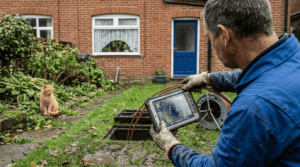
Local Portsmouth drainage specialists respond rapidly to emergency calls, often arriving within 2 hours to prevent property damage from escalating. Professional services employ high pressure water jetting that clears blockages mechanical tools cannot reach, CCTV drain surveys that identify underlying problems, and powered drain augers for severe obstructions. Understanding professional drain unblocking solutions helps you make informed decisions when DIY attempts fail.
Professional intervention typically resolves what homeowners cannot, restoring normal drainage whilst identifying potential future problems before they cause emergencies. For comprehensive guidance on effective drain unblocking, or to arrange immediate professional assistance, blocked drains Portsmouth specialists stand ready to help 24 hours a day. Don’t let a persistent blockage damage your property when expert help is readily available.
Frequently asked questions
What are the safest tools to unblock a drain in an emergency?
A cup plunger and manual drain snake remain the safest options for most emergency blockages, causing no chemical damage to pipes. Always wear thick rubber gloves and safety goggles during use to protect against bacteria and debris. Proper tool selection significantly improves success whilst minimising risks.
Why should I avoid chemical drain cleaners for emergency blockages?
Chemical cleaners generate intense heat that can crack older pipes, release toxic fumes in confined spaces, and cause severe burns if splashed. Studies show chemical damage occurs in up to 25% of improper applications. Mechanical methods provide safer, more controllable solutions during emergencies.
How long should I attempt DIY drain unblocking before calling a professional?
Limit DIY efforts to 30 minutes maximum using proper plunger and drain snake techniques. Research confirms attempts beyond 30 minutes risk worsening damage and indicate blockages requiring professional equipment. Persistent blockages need specialist diagnosis to prevent escalating property damage.
Can boiling water clear drain blockages safely?
Boiling water helps dissolve grease deposits in metal pipes but risks cracking porcelain sinks and PVC pipes through thermal shock. Pour water in stages rather than all at once, and never use boiling water if you’ve recently applied chemical cleaners because dangerous reactions can occur. This method works for only about 30% of blockages.
What causes drains to block repeatedly in the same location?
Recurrent blockages typically signal underlying problems like pipe damage, incorrect gradient, tree root intrusion, or severe scale buildup rather than simple debris accumulation. These issues require professional CCTV inspection and targeted repairs because repeated DIY clearing only provides temporary relief whilst the root cause deteriorates further.