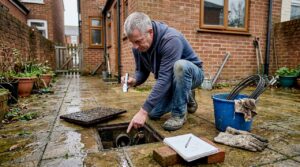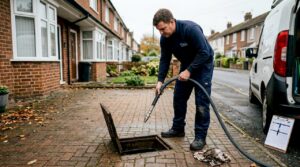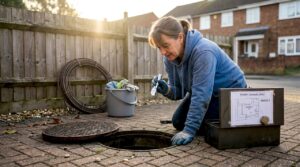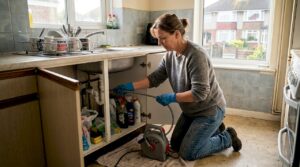
Many Portsmouth homeowners reach for chemical cleaners the moment a sink drains slowly or a toilet backs up, believing a quick pour will solve the problem. Yet these temporary fixes often mask deeper blockages that worsen over time, leading to emergency callouts and costly repairs. Understanding how drain cleaning machines work and when to use them transforms drainage maintenance from reactive panic to proactive care. This guide explains the mechanical principles behind these machines, compares them to alternative methods, and shows you how to choose the right approach for your Portsmouth property’s unique plumbing needs.
Table of Contents
- Key takeaways
- How drain cleaning machines work to clear blockages
- Comparing drain cleaning methods: machines, chemicals and jetting
- Choosing and maintaining drain cleaning machines for Portsmouth properties
- How we can help with drain cleaning in Portsmouth
- Frequently asked questions
Key Takeaways
| Point | Details |
|---|---|
| Mechanical clearing method | Drain cleaning machines operate with a rotating steel cable that physically breaks up blockages inside pipes, offering a pipe safe alternative to chemical cleaners. |
| Effective on stubborn clogs | The equipment excels at stubborn blockages caused by hair, grease and tree roots, making it suitable for typical domestic drains. |
| Regular maintenance benefits | Regular use every six to twelve months helps prevent emergencies and expensive repairs by keeping pipes clear. |
| Safer than chemicals or jetting | Compared to chemical cleaners and high pressure jetting, drain cleaning machines tend to cause less pipe damage and provide targeted clearing. |
How drain cleaning machines work to clear blockages
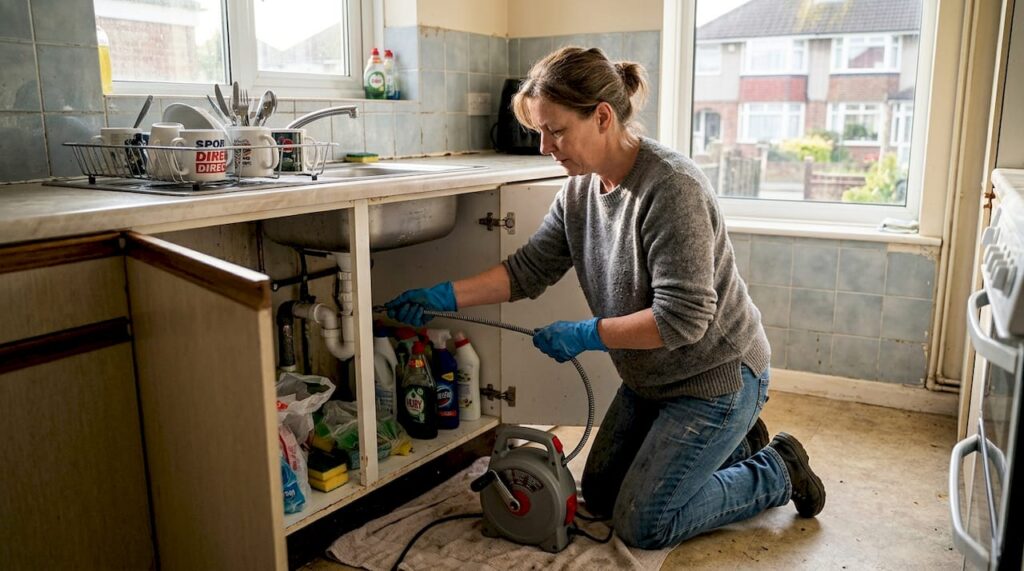
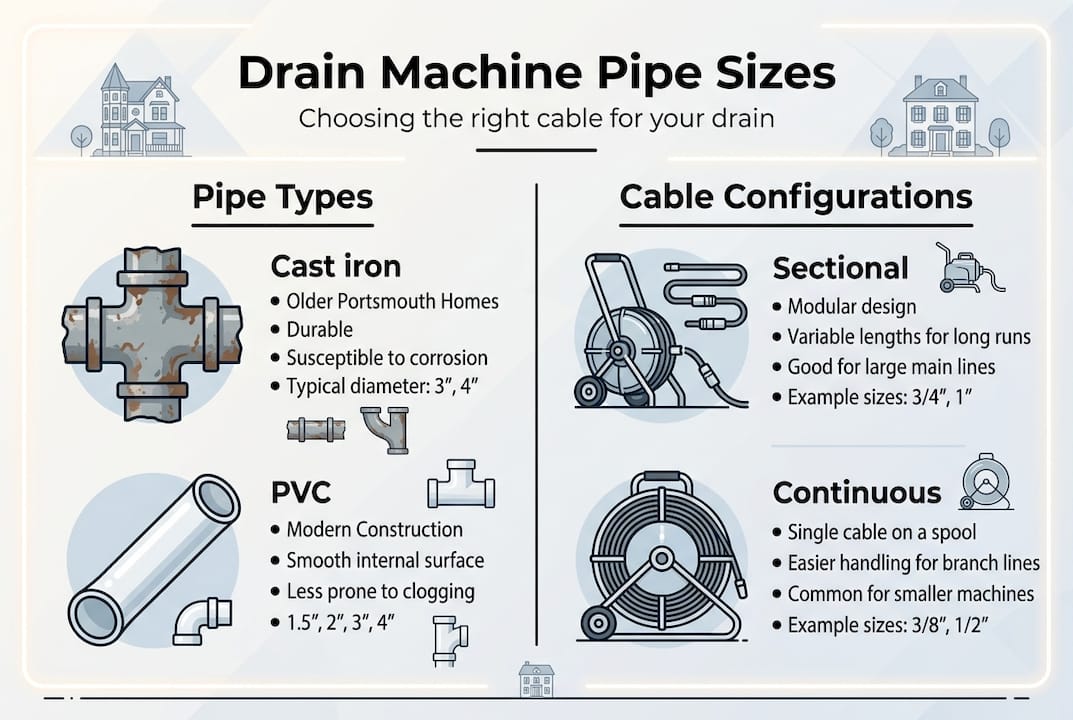
Drain cleaning machines operate through a straightforward mechanical principle: a motor rotates a flexible steel cable that physically breaks apart blockages lodged in your pipes. The cable typically measures between ½ and ¾ inches in diameter, sized to navigate the bends and junctions common in Portsmouth home plumbing. Mechanical augers use rotating steel cables with cutting heads to break physical blockages, making them ideal for stubborn clogs that resist liquid treatments.
These cables come in two main configurations: sectional lengths ranging from 4 to 15 feet that connect together, or continuous spools extending from 25 to 300 feet for reaching deep blockages in main drainage lines. The cutting head attached to the cable’s tip does the actual clearing work, featuring various blade designs tailored to different debris types. Spiral blades excel at grabbing hair and fibrous materials, whilst root-cutting heads tackle invasive tree roots that penetrate older Portsmouth pipe joints.
Machines accommodate pipe diameters from 2 to 10 inches, covering everything from bathroom sink drains to main sewer lines in typical residential properties. The power feed mechanism controls how quickly the cable advances into the pipe, whilst the drum houses the cable and manages its retrieval after clearing the blockage. This controlled insertion prevents the cable from kinking or becoming stuck, which could damage both the machine and your plumbing.
Pro tip: Selecting between sectional and continuous cables depends entirely on your blockage location and pipe layout. Continuous cables reach deep blockages in main lines more efficiently, whilst sectional cables offer better manoeuvrability in tight bends near fixtures. Always measure your pipe diameter before choosing a machine to avoid using undersized equipment that won’t clear the blockage or oversized tools that could crack older pipes.
Understanding your pipe size proves essential for effective clearing without damage. Portsmouth homes built before 1970 often feature cast iron or clay pipes with narrower diameters than modern PVC installations, requiring gentler cable selection and slower rotation speeds. Newer properties typically use 4-inch PVC for main drains and 2-inch pipes for individual fixtures, allowing more aggressive clearing approaches. Comparing this mechanical method to drain jetting blockage removal reveals distinct advantages: machines physically punch through clogs with precision, whilst jetting washes entire pipe walls but demands specialist equipment and higher water pressure.
Comparing drain cleaning methods: machines, chemicals and jetting
Three primary methods dominate drainage clearing in Portsmouth homes: mechanical augers that physically break clogs, chemical cleaners that dissolve blockages through corrosive reactions, and high-pressure jetting that blasts debris away with water. Each approach suits different blockage types, pipe conditions, and budget constraints, making method selection crucial for effective, safe drainage maintenance.
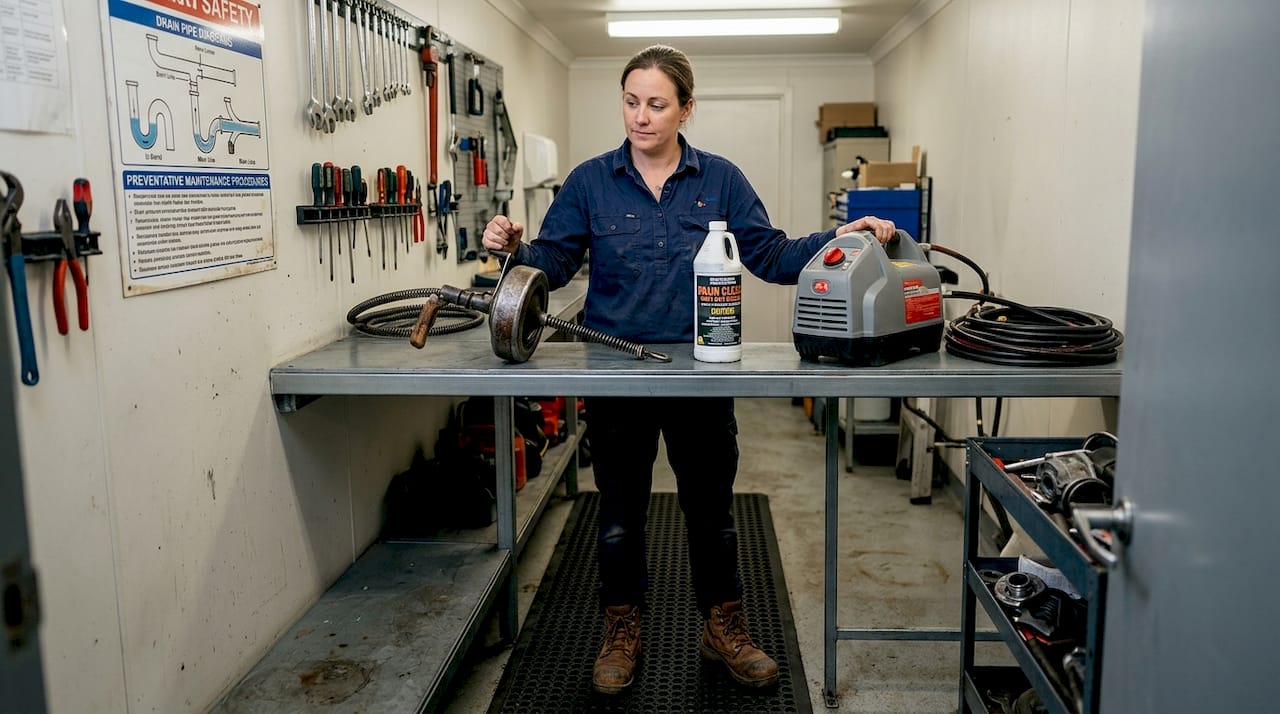
Chemical drain cleaners appeal to homeowners seeking quick fixes, but they pose significant risks to the PVC pipes prevalent in Portsmouth properties. These caustic solutions generate heat as they react with organic matter, potentially warping or cracking plastic pipe joints. Chemicals risk PVC corrosion, with jetting proving 80% more efficient for long-term pipe health. Chemicals suit only minor clogs from soap scum or light grease buildup, failing completely against solid obstructions like tree roots or compacted debris.
Drain jetting employs water pressurised to 3,000-4,000 PSI, thoroughly cleaning pipe walls and preventing rapid re-clogging that often follows chemical treatments. This method excels at removing grease deposits that coat Portsmouth restaurant and commercial kitchen drains, restoring full flow capacity rather than merely punching a hole through the blockage. However, jetting requires specialised equipment, professional training to avoid pipe damage from excessive pressure, and higher upfront costs than mechanical snaking.
Mechanical snaking punches holes through clogs, whilst jetting cleans entire pipe walls, yet machines cause less pipe damage than chemicals. Augers offer the sweet spot for most Portsmouth homeowners: more accessible than professional jetting, safer than chemicals, and effective against the hair, grease, and root blockages that plague residential drains. The method’s tactile feedback lets operators feel when the cable breaks through a clog, preventing the over-aggressive clearing that damages pipe interiors.
| Method | Best for | Risks | Cost | Pipe safety |
|---|---|---|---|---|
| Mechanical auger | Hair, grease, roots, solid clogs | Cable damage if misused | £50-150 rental or £100-300 professional | High – physical contact controlled |
| Chemical cleaner | Minor soap/grease buildup | PVC corrosion, toxic fumes, incomplete clearing | £5-15 per bottle | Low – heat and corrosion risks |
| High-pressure jetting | Grease coating, scale, thorough cleaning | Pipe rupture if pressure excessive | £200-500 professional only | Medium – requires expert pressure control |
This comparison reveals why many Portsmouth property managers favour mechanical augers for routine maintenance whilst reserving jetting for annual deep cleans. Chemicals rarely feature in professional drainage protocols due to their limited effectiveness and pipe safety concerns. Understanding these trade-offs helps you match the clearing method to your specific blockage type, pipe age, and maintenance budget.
Pro tip: Using machines prevents pipe damage and proves safer for older UK-style plumbing compared to chemical alternatives. Portsmouth homes built between 1950 and 1980 often feature cast iron or early PVC installations that chemicals accelerate deterioration in, whilst mechanical clearing preserves pipe integrity. For comprehensive guidance on when jetting becomes necessary, explore our drain jetting guide or review why many blockages resist chemical cleaners entirely.
Choosing and maintaining drain cleaning machines for Portsmouth properties
Selecting the right drain cleaning machine depends on three critical factors: your pipe age and material, the blockage severity you’re addressing, and whether you’re tackling a one-off emergency or establishing preventive maintenance. Portsmouth properties span Victorian-era cast iron through to modern PVC installations, each requiring different clearing approaches to avoid damage whilst achieving effective results.
Pipe age dictates your machine selection more than any other factor. Properties built before 1970 typically feature cast iron or clay pipes with joints that tree roots exploit, requiring machines with root-cutting heads and gentler rotation speeds. Newer homes use PVC or ABS plastic pipes that tolerate more aggressive clearing but risk cracking under excessive cable pressure. Always inspect visible pipe sections before selecting equipment, looking for corrosion, cracks, or previous repairs that indicate fragility.
Renting machines suits DIY minor clog removal in straightforward plumbing layouts, typically costing £50-80 per day from Portsmouth tool hire centres. This approach works well for bathroom sink hair clogs or kitchen grease buildup within 10 feet of the fixture. Hiring professionals becomes advisable for main line blockages, recurring clogs that suggest deeper issues, or any situation involving older plumbing systems where pipe damage risks outweigh rental savings. Professionals carry liability insurance and possess the experience to recognise when a blockage indicates structural pipe problems requiring camera inspection rather than repeated clearing attempts.
Recommended preventive cleaning every 6-12 months helps avoid emergency blockages and costly repairs, particularly in high-traffic properties with multiple bathrooms or commercial kitchens. This frequency prevents the gradual buildup that eventually causes complete blockages, maintaining consistent drainage performance year-round. Properties with mature trees near drainage lines benefit from more frequent clearing, as root intrusion accelerates during Portsmouth’s wet autumn and winter months.
Regular pipe inspections prevent accidental damage from machines, especially critical with older UK pipes that may have hidden weaknesses. Before each clearing session, run water through the drain whilst observing flow patterns. Slow drainage across multiple fixtures suggests a main line blockage, whilst isolated slow drains indicate localised clogs. This diagnostic step prevents using inappropriately sized equipment or excessive force that cracks already compromised pipes.
Maintenance steps for safe, effective machine operation:
- Inspect the machine’s cable for kinks, fraying, or rust before each use, replacing damaged sections immediately
- Clean cables thoroughly after each job, removing debris that could harden and damage the next pipe you clear
- Check cutting heads for worn or broken blades, as dull heads require excessive force that stresses both machine and pipes
- Lubricate cable mechanisms according to manufacturer specifications, typically every 10 hours of operation
- Test rotation speed on a scrap pipe section before inserting into your drainage system
- Advance the cable slowly whilst rotating, never forcing it against resistance that could indicate a pipe bend rather than a blockage
- Withdraw the cable gradually, allowing rotation to continue so debris doesn’t re-lodge in the pipe
Pro tip: Always prioritise inspection before use to prevent damage, and choose between renting versus professional services based on blockage complexity rather than cost alone. A £200 professional clearing protects against the £2,000-5,000 pipe replacement that results from DIY damage to older Portsmouth plumbing. For guidance on establishing effective maintenance routines, review our routine drain cleaning guide or discover the benefits regular cleaning delivers for property values and insurance claims.
When emergencies strike despite preventive efforts, knowing proper response steps minimises damage and restoration costs. Our emergency drain unblocking steps guide walks through immediate actions that protect your property whilst professional help arrives.
How we can help with drain cleaning in Portsmouth
Dealing with persistent drainage issues or wondering whether your Portsmouth property needs preventive maintenance? We specialise in professional drain cleaning and unblocking solutions tailored to the unique plumbing challenges Portsmouth homes face, from Victorian-era cast iron installations to modern PVC systems. Our team combines mechanical clearing expertise with diagnostic camera inspections, identifying underlying issues before they escalate into emergency repairs.
Whether you’re facing an immediate blockage or want to establish a preventive maintenance schedule, our emergency response service ensures rapid assistance when drainage problems threaten your property. We offer transparent pricing, detailed explanations of the work required, and long-term solutions rather than temporary fixes. Understanding how drain unblocking works helps you make informed decisions about your property’s drainage health. Explore our full range of services at Blocked Drains Portsmouth or contact us for a no-obligation consultation about your specific drainage concerns.
Frequently asked questions
How often should I use a drain cleaning machine in my home?
Preventive cleaning every 6-12 months maintains optimal drainage performance in most Portsmouth homes, preventing the gradual buildup that eventually causes complete blockages. Properties with multiple bathrooms, commercial kitchens, or mature trees near drainage lines benefit from quarterly clearing to address accelerated debris accumulation. This proactive approach costs substantially less than emergency callouts and protects against the water damage that accompanies sudden blockages. Review our guide on regular drain cleaning benefits for detailed maintenance scheduling based on your property type.
Can I safely use a drain cleaning machine on older plumbing in Portsmouth?
Inspection proves critical before using machines on older UK-style pipes to avoid damage in fragile or aged systems. Portsmouth properties built before 1970 often feature cast iron or clay pipes with corroded joints that aggressive clearing could rupture, leading to costly excavation and replacement. Professional assessment identifies pipe condition through camera inspection, revealing cracks, root intrusion, or deterioration that makes mechanical clearing inadvisable. When pipes show significant age-related weakness, consider gentler methods or pipe rehabilitation before attempting blockage removal. Our routine drain cleaning guide explains safe approaches for various pipe ages and materials.
What blockages are drain cleaning machines best suited to remove?
Mechanical augers excel at removing hair, grease, and invasive roots in sinks, toilets, and main drain lines, making them ideal for the most common Portsmouth residential blockages. Hair accumulation in bathroom drains, grease solidification in kitchen pipes, and tree root penetration through older pipe joints all respond effectively to rotating cable clearing. However, machines struggle with solid objects like toys or sanitary products that require retrieval rather than breaking apart, and they cannot address pipe collapse or severe scale buildup that demands replacement or specialist treatment. Understanding which blockages suit mechanical clearing versus other methods prevents wasted effort and potential pipe damage. Compare approaches in our drain unblocker guide for comprehensive method selection.
Are drain cleaning machines better than chemical cleaners?
Mechanical machines prove significantly safer for pipes than chemical cleaners, which risk PVC corrosion through heat generation and caustic reactions that weaken pipe joints. Machines mechanically clear clogs without the corrosive damage risks chemicals pose, particularly critical in Portsmouth properties with PVC installations from the 1980s onwards. Chemical cleaners also fail against solid blockages like roots or compacted debris, merely burning through organic matter whilst leaving structural obstructions intact. The environmental impact further favours mechanical clearing, as chemicals contaminate Portsmouth’s water treatment systems and harm aquatic ecosystems when flushed into the drainage network. Review our drain unblocker guide for detailed chemical versus mechanical comparisons across different blockage scenarios.