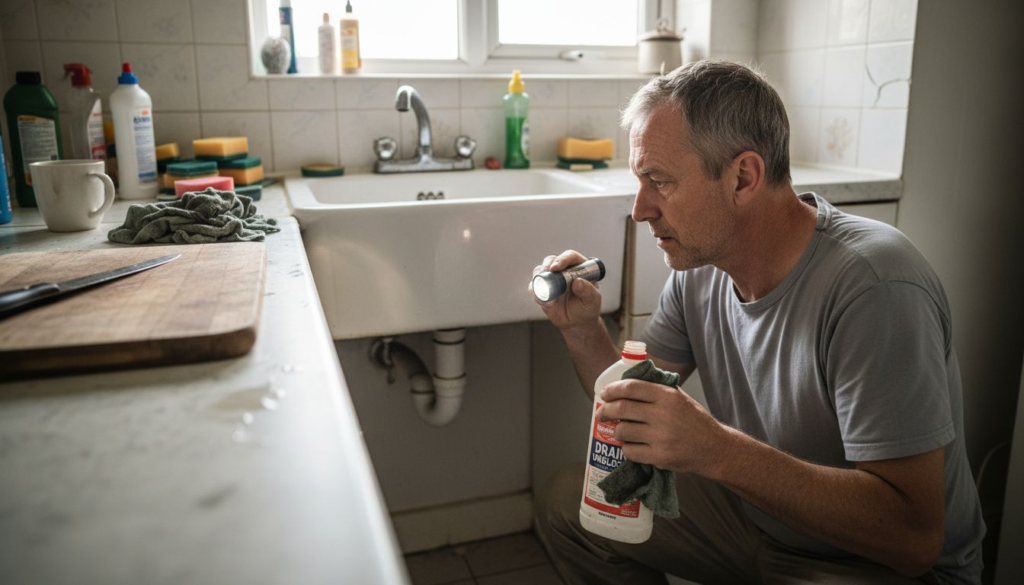
Nearly one-third of household drain blockages are caused by materials that chemical unblockers can’t dissolve. For Portsmouth homeowners battling slow drains or foul odours, this surprising fact reveals a critical gap in common DIY solutions. Many reach for chemical cleaners expecting instant results, only to face recurring problems that damage pipes and waste money. This guide clarifies how different drain unblockers work, when to use each type safely, and how to recognise situations requiring professional intervention.
Table of Contents
- Understanding Drain Blockages And Their Causes
- What Is A Drain Unblocker? Types And How They Work
- Common Misconceptions About Drain Unblockers
- Choosing The Right Drain Unblocker For Your Situation
- Safety And Environmental Considerations
- When To Call A Professional Drain Unblocking Service
- Putting It All Together: Effective Drain Maintenance
- Discover Expert Drain Unblocking Services In Portsmouth
Key takeaways
| Point | Details |
|---|---|
| Drain blockages vary widely | Organic matter, grease, and solid objects each require specific unblocker approaches for effective clearance. |
| Three main unblocker types exist | Chemical, enzymatic, and mechanical methods address different clog types with varying speed and safety profiles. |
| Safety practices prevent damage | Proper handling, ventilation, and avoiding chemical mixing protect you and your plumbing system from harm. |
| Professional help resolves persistent clogs | Blockages lasting over 24 hours or causing leaks signal the need for specialist tools and expertise. |
Understanding drain blockages and their causes
Portsmouth homes experience drain issues from multiple sources that behave differently when treated. Blockages mainly arise from organic matter like hair, grease, and food scraps that accumulate gradually in pipes. Kitchen sinks collect fat deposits that solidify as they cool, whilst bathroom drains trap hair and soap residue forming dense clumps. These organic materials respond well to certain unblockers but prove stubborn against others.
Non-organic items create distinct challenges that require alternative solutions. Baby wipes, cotton buds, and small plastic items slip past drain covers and lodge in pipe bends. These solid objects resist chemical treatment entirely and demand physical removal. Mixed blockages combining grease with debris fragments complicate matters further, often requiring layered approaches.
Recognising blockage symptoms helps you act before situations worsen. Water draining slowly from sinks or showers indicates partial obstruction building up. Gurgling sounds from drains suggest air trapped behind blockages trying to escape. Foul odours emanating from drains signal organic matter decomposing within pipes. Standing water that refuses to drain completely means full blockage requiring immediate attention. Frequent backups in multiple fixtures point to main drain line issues needing professional assessment.
What is a drain unblocker? Types and how they work
Drain unblockers fall into three categories, each employing different mechanisms to clear obstructions effectively. Understanding how each type functions helps you select appropriate solutions for specific blockage scenarios.
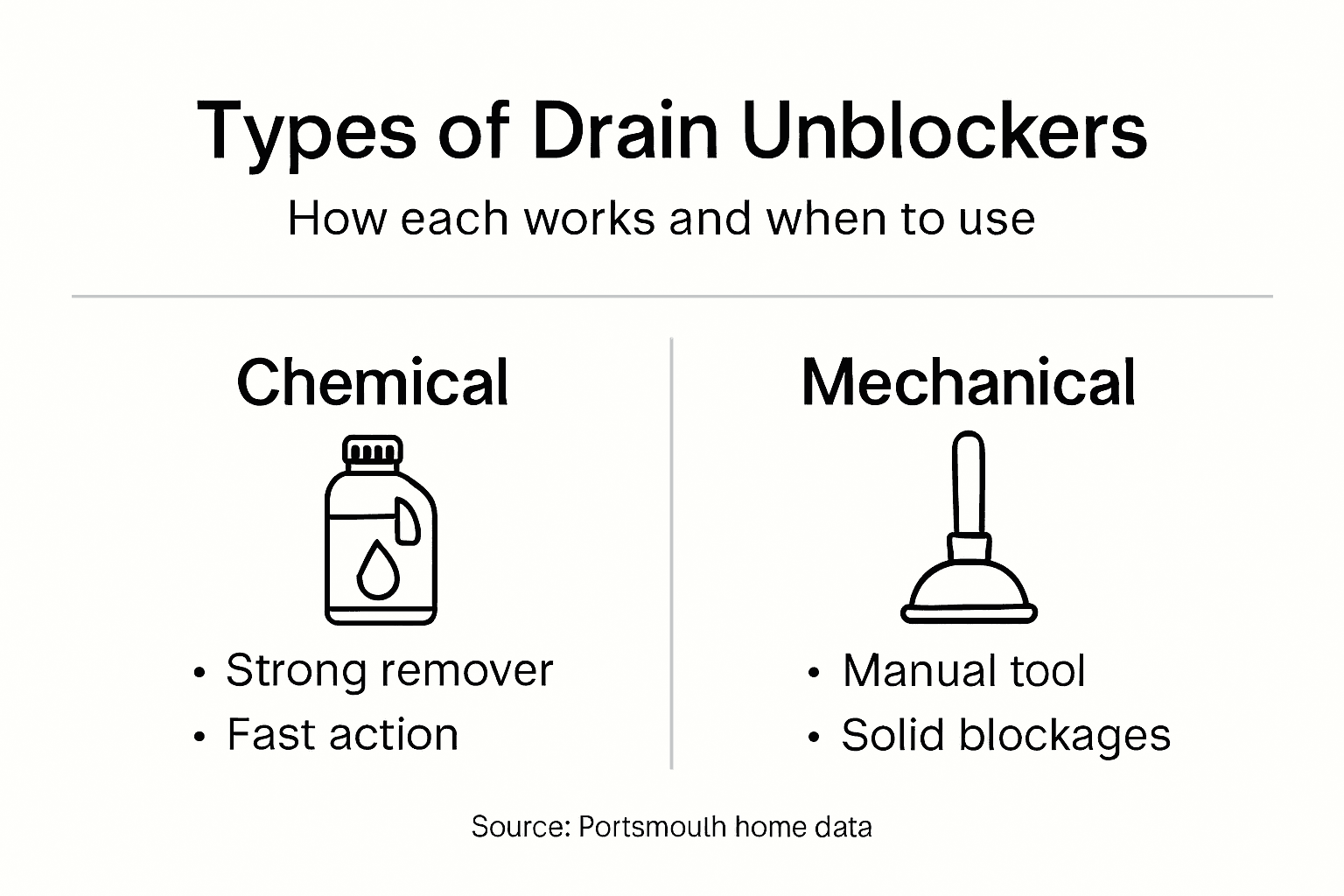
Chemical unblockers dissolve organic matter using caustic substances like sodium hydroxide or sulphuric acid that generate heat and break molecular bonds. These products work quickly on grease, hair, and food waste by literally liquefying blockages so they wash away. The aggressive chemical reactions produce intense heat reaching 90 degrees Celsius that melts fat deposits whilst simultaneously corroding organic materials. Most chemical unblockers deliver results within 15 to 30 minutes for moderate organic clogs.
Enzymatic cleaners take a biological approach using natural bacteria and enzymes to digest organic waste gradually. These formulations introduce living microorganisms that consume grease, hair proteins, and food particles as their food source. The process works slowly over hours or days but causes zero pipe damage and produces no toxic fumes. Regular enzymatic treatments maintain clear drains by preventing buildup before blockages form.
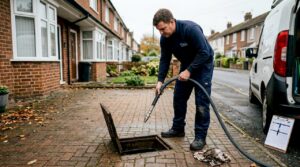
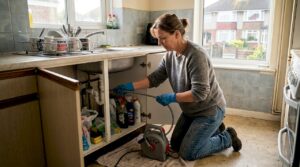
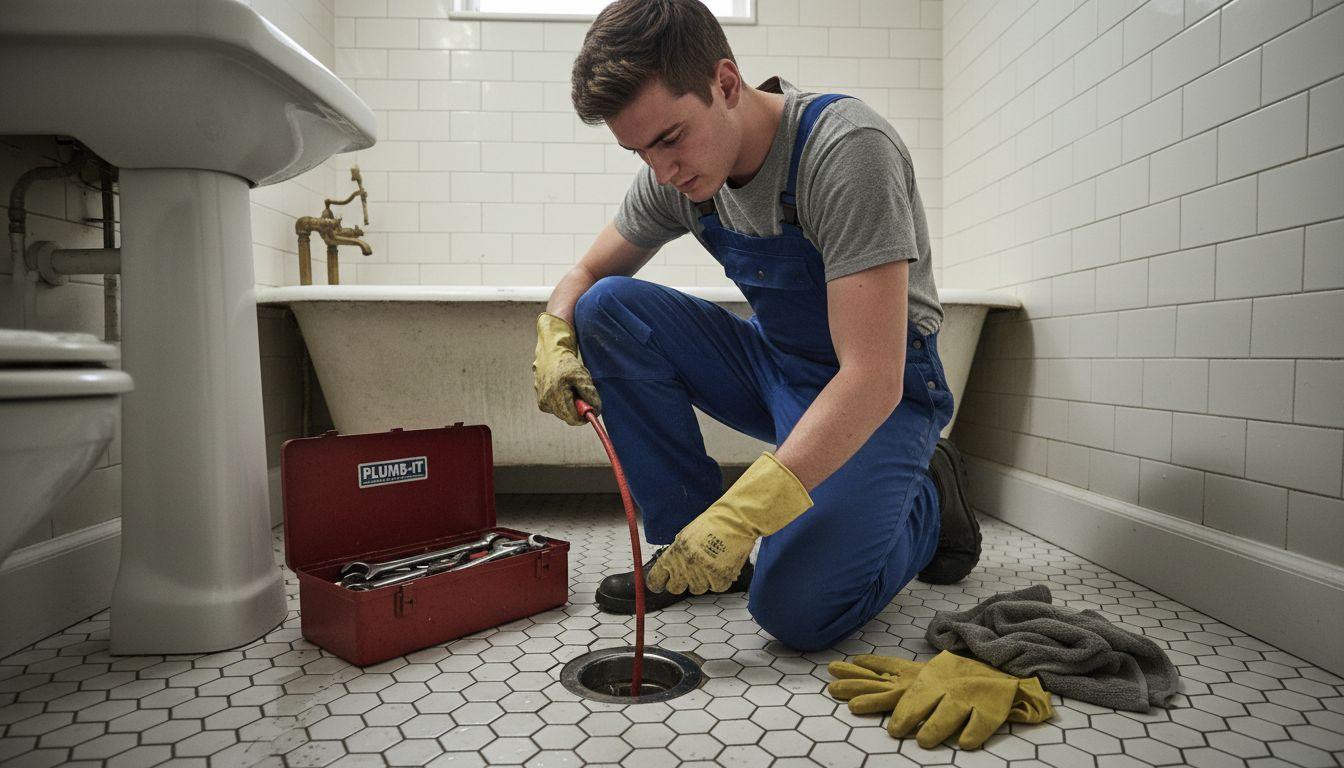
Mechanical unblockers physically remove blockages through force or extraction rather than chemical dissolution. Plungers create pressure variations that dislodge obstructions and push them through pipes. Drain snakes or augers insert flexible cables into pipes to break apart or hook solid blockages for removal. Drain jetting uses high-pressure water streams exceeding 4,000 PSI to blast away accumulated debris and scour pipe walls clean. These methods excel at clearing solid objects, tree roots, and stubborn mineral deposits that chemicals cannot touch.
Common misconceptions about drain unblockers
Homeowners often fall victim to myths about drain unblockers that lead to ineffective treatments and costly pipe damage. Challenging these misconceptions prevents wasted effort and protects your plumbing infrastructure.
The biggest fallacy claims all drain blockages respond to chemical cleaners poured down the drain. Reality proves far more complex since 18% of residential plumbing damage stems from chemical unblocker misuse. Solid objects like toys, jewellery, or hygiene products remain completely unaffected by chemicals that only work on organic materials. Pouring caustic cleaners onto non-organic blockages wastes product whilst harsh chemicals sit stagnant in pipes, corroding joints and weakening seals over time.
Pro Tip: Never pour chemical unblocker into completely blocked drains with standing water, as trapped chemicals concentrate corrosive action on one pipe section and generate dangerous fumes with nowhere to ventilate.
Another dangerous myth suggests repeatedly using chemical unblockers for recurring clogs poses no harm. Each application subjects pipe materials to extreme pH levels and thermal stress that gradually degrades PVC, copper, and even cast iron. Older homes with lead or galvanised pipes face accelerated deterioration from frequent chemical exposure. Recurring blockages signal underlying issues like pipe misalignment, root intrusion, or structural damage that chemicals cannot fix and mechanical unblockers must address.
Many people expect enzymatic cleaners to work as quickly as chemical alternatives and abandon them after one application shows minimal results. Biological digestion requires 8 to 24 hours for noticeable effect and benefits from repeated weekly applications to establish bacterial colonies. These cleaners shine in prevention and maintenance roles rather than emergency blockage clearing. Setting realistic expectations about enzymatic cleaner timescales prevents premature switching to harsher methods unnecessarily.
Choosing the right drain unblocker for your situation
Selecting appropriate unblockers based on blockage characteristics dramatically improves success rates whilst minimising risks. Choosing the correct unblocker type based on clog composition prevents wasted time and protects your drainage system from unnecessary damage.
| Blockage Type | Best Unblocker | Speed | Safety Level |
|---|---|---|---|
| Organic matter (hair, grease) | Chemical or enzymatic | 15 mins to 24 hours | Moderate to high |
| Solid objects (toys, wipes) | Mechanical removal | Immediate | Very high |
| Mixed blockages | Professional assessment | Variable | Depends on method |
| Preventive maintenance | Enzymatic cleaners | Ongoing | Very high |
Identifying clog composition before choosing unblockers saves money and prevents complications. If you recently dropped an item down the drain or know children flushed inappropriate objects, skip chemicals entirely and use mechanical methods. When slow drainage develops gradually with greasy residue visible around drain openings, organic buildup responds well to chemical treatment. Mixed symptoms like partial drainage with occasional complete blockages suggest complex situations warranting professional diagnosis.
Chemical unblockers suit confirmed organic clogs in good condition pipes when you need rapid results. Check product labels for pipe material compatibility since some formulations damage PVC or older metal pipes. Never exceed recommended contact times or pour additional product thinking more equals better results. Always run cold water before and after application to help move dissolved material through your system completely.
Mechanical approaches work best for solid blockages, sensitive plumbing systems, or environmentally conscious households. Plungers provide safe first attempts for minor clogs without introducing any chemicals. For deeper blockages beyond plunger reach, consult how to unblock drains guide covering proper drain snake techniques. Professional jetting tackles severe blockages and provides thorough pipe cleaning simultaneously.
Enzymatic cleaners excel in ongoing maintenance programmes preventing buildup accumulation. Apply weekly in kitchen sinks prone to grease accumulation and monthly in bathroom drains catching hair. These biological treatments work brilliantly alongside mechanical methods but cannot replace them for existing blockages. Patience pays dividends since established bacterial colonies provide continuous organic matter digestion.
Safety and environmental considerations
Chemical drain unblockers pose significant hazards requiring careful handling to prevent injuries and environmental damage. Proper chemical unblocker use reduces pipe corrosion and chemical injuries whilst protecting waterways from contamination.
Personal protection remains paramount when handling caustic drain cleaners that burn skin on contact. Always wear chemical-resistant gloves covering wrists and safety goggles protecting eyes from splashes during pouring. Work in well-ventilated spaces since chemical reactions release toxic fumes causing respiratory irritation and dizziness in confined bathrooms. Open windows and doors before application and avoid bending directly over drains during treatment. Keep children and pets away from treatment areas until you have thoroughly flushed chemicals away completely.
Never mix different chemical unblocker products or combine them with other household cleaners like bleach. Chemical interactions produce violent reactions generating toxic chlorine gas and explosive heat that can rupture pipes. If one product fails, flush drains thoroughly with cold water before trying alternatives or switching to mechanical methods. Read product labels completely before use and follow manufacturer instructions precisely for dosage and contact times.
Pro Tip: Keep a box of baking soda near chemical unblocker storage to neutralise spills immediately, as baking soda safely counteracts both acidic and alkaline cleaners without generating heat or toxic gases.
Environmental responsibility calls for minimising chemical unblocker use whenever possible. These products introduce harsh chemicals into wastewater systems that treatment plants struggle to neutralise completely. Enzymatic cleaners offer eco-friendly alternatives using natural bacteria that break down safely in water systems. Regular physical drain cleaning with hot water and mechanical methods prevents buildup without environmental impact. Reserve chemical unblockers for situations where mechanical approaches prove insufficient and enzymatic cleaners lack necessary speed.
When to call a professional drain unblocking service
Recognising situations exceeding DIY capabilities prevents minor issues escalating into expensive emergencies requiring extensive repairs. Persistent blockages after 24 hours signal need for professional intervention with specialised equipment and expertise.
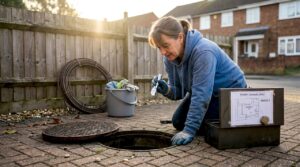
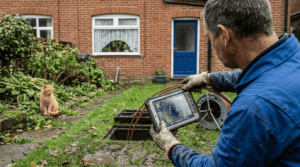
Call professional services immediately when blockages resist multiple unblocker attempts over a full day. Repeated chemical applications without improvement indicate either incorrect product choice for blockage type or structural issues within pipes. Continuing DIY efforts wastes money on ineffective products whilst prolonged chemical exposure damages pipe materials. Professional drain technicians deploy camera inspections identifying exact blockage locations and compositions before selecting optimal clearing methods.
Visible water leaks around pipe joints or from ceilings below bathrooms demand urgent professional assessment. These symptoms suggest blockages creating pressure sufficient to force water through weakened pipe connections. Continued pressure can burst pipes completely, flooding homes and causing thousands in damage. Professionals clear blockages and inspect pipes for damage requiring repair before situations worsen.
Recurring blockages in the same drain every few weeks point to underlying problems beyond temporary obstructions. Tree roots infiltrating sewer lines, collapsed pipe sections, or incorrect pipe gradients cause chronic drainage issues no unblocker can fix. Professional services use drain unblocking advice for Portsmouth homeowners alongside video inspections revealing structural problems requiring targeted repairs.
Multiple fixtures backing up simultaneously indicates main drain line blockages affecting your entire home. When toilets, sinks, and showers all drain slowly or back up together, the obstruction sits downstream where branch lines connect to main sewers. These serious blockages require professional drain unblocking in Portsmouth services with industrial equipment like powered augers and high-pressure jetting systems.
Putting it all together: effective drain maintenance
Balancing unblocker knowledge with practical maintenance habits keeps Portsmouth drains flowing freely whilst protecting your plumbing investment long term. Understanding when to apply each solution type and recognising your limitations prevents costly mistakes.
Start by accurately diagnosing blockage types before reaching for products. Organic buildup responds to chemical or enzymatic treatment depending on urgency and environmental preferences. Solid objects require mechanical removal rather than chemical dissolution that wastes time and damages pipes. Mixed blockages or uncertain situations benefit from professional assessment avoiding trial and error experimentation.
Avoid chemical unblocker overreliance that creates more problems than it solves. Reserve harsh chemicals for confirmed organic blockages in structurally sound pipes only. Follow safety protocols religiously including protective equipment and ventilation to prevent injuries. Never exceed recommended dosages or contact times hoping for better results. Recognise that recurring issues signal deeper problems chemicals cannot address.
Implement regular preventive measures reducing blockage frequency substantially. Weekly hot water flushes in kitchen sinks dissolve grease before it solidifies. Monthly enzymatic treatments in all drains digest organic matter continuously. Install drain covers catching hair and debris before they enter pipes. These simple habits dramatically reduce blockage incidents and extend pipe lifespan.
Know when professional help becomes necessary rather than continuing ineffective DIY attempts. Blockages lasting over 24 hours, visible leaks, or recurring problems justify expert intervention. Professional services offer thorough clearing, pipe inspection, and targeted repairs that DIY methods cannot match. Investing in professional assessment early prevents minor issues becoming major emergencies requiring extensive repairs.
Discover expert drain unblocking services in Portsmouth
When drain blockages exceed DIY solutions or you want guaranteed results without risks, Portsmouth’s specialist drainage professionals stand ready to help.
Experienced technicians bring industrial equipment and decades of combined expertise to tackle any blockage efficiently. Professional drain unblocking services in Portsmouth deploy CCTV cameras pinpointing exact blockage locations before selecting optimal clearing methods. High-pressure drain jetting services remove years of accumulated debris whilst thoroughly cleaning pipe walls in single visits. Local specialists understand Portsmouth’s unique drainage challenges from ageing infrastructure to local soil conditions affecting pipe integrity. Emergency response teams provide rapid assistance when blockages threaten property damage or create health hazards. Comprehensive homeowner drain unblocking guidance helps you prevent future issues whilst knowing expert help remains available whenever needed.
Frequently asked questions
Are chemical drain unblockers safe to use with children and pets in the home?
Chemical unblockers pose serious risks to children and pets who might contact contaminated surfaces or inhale toxic fumes. Store products in locked cabinets out of reach and evacuate living areas during treatment. Never leave chemical unblockers unattended in drains and flush thoroughly before allowing household members back into treated spaces.
How often should I use enzymatic cleaners for drain maintenance?
Apply enzymatic cleaners weekly in high-use drains like kitchen sinks prone to grease buildup. Bathroom drains catching hair benefit from monthly treatments maintaining clear flow. These biological formulations work continuously once bacterial colonies establish, providing ongoing prevention between applications.
What signs indicate a blockage is worsening beyond DIY treatment?
Watch for water backing up into other fixtures, gurgling sounds from multiple drains, or complete drainage stoppage despite unblocker attempts. Foul sewage odours or visible water leaks around pipes signal serious problems requiring immediate professional intervention. Contact how to unblock drains in Portsmouth specialists if symptoms worsen after 24 hours.
Can I use chemical unblockers in older homes with vintage plumbing?
Older pipes made from lead, galvanised steel, or clay tolerate chemical unblockers poorly and risk severe corrosion damage. Check pipe materials before applying harsh chemicals and consider mechanical methods or enzymatic alternatives. Professional assessment helps determine safe unblocker options for period properties.
Why do my drains keep blocking even after using chemical unblockers?
Recurring blockages indicate underlying structural issues like pipe misalignment, root intrusion, or damaged sections that chemicals cannot fix. Temporary clearing masks problems requiring permanent solutions through pipe repair or replacement. Professional camera inspections reveal root causes enabling targeted repairs ending chronic blockage cycles.