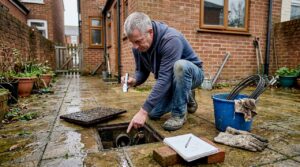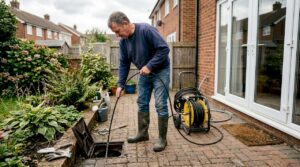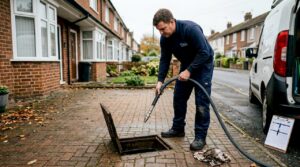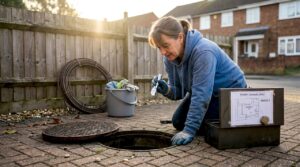
Most Portsmouth homeowners assume drain blockages stem purely from household habits like pouring grease down sinks or flushing inappropriate items. Whilst these factors certainly contribute, Portsmouth’s clay-rich soil plays a surprisingly significant role in drainage problems, slowing water percolation and creating conditions where debris accumulates more readily. Understanding the interplay between local geological conditions, household behaviours, and ageing infrastructure helps you prevent costly blockages. This guide explores the primary causes of blocked drains specific to Portsmouth, from soil composition to infrastructure challenges, and provides practical prevention strategies to keep your drainage system flowing smoothly.
Table of Contents
- How Portsmouth’s Soil Conditions Contribute To Blocked Drains
- Common Causes Of Blocked Drains In Portsmouth Homes
- The Impact Of Local Sewer Infrastructure Problems On Drainage Blockages
- Preventing And Managing Blocked Drains In Your Portsmouth Home
- Get Expert Help With Blocked Drains In Portsmouth
Key takeaways
| Point | Details |
|---|---|
| Soil composition matters | Portsmouth’s clay-rich soil reduces drainage rates by up to 50%, increasing blockage risk |
| FOG leads blockage causes | Fats, oils, and grease account for 37.5% of blockages, followed by inappropriate disposals at 33.3% |
| Infrastructure impacts homes | Repeated sewer bursts on Eastern Road and ongoing repairs create localised drainage disruptions |
| Prevention beats repair | Regular maintenance and proper disposal habits prevent most blockages before they require professional intervention |
How Portsmouth’s soil conditions contribute to blocked drains
Portsmouth sits on geological foundations dominated by clay-rich soil, a factor that fundamentally shapes how drainage systems perform across the city. Clay particles possess tiny spaces between them, creating a dense structure that retains water rather than allowing it to percolate freely. Local geological surveys show clay content reduces drainage rates by up to 50% compared to sandy soils found in other coastal areas. This slow drainage creates a knock-on effect: when water moves sluggishly through soil surrounding your pipes, any debris or sediment inside drains has more time to settle and accumulate rather than being flushed away.
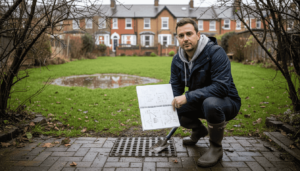
The practical implications for Portsmouth homeowners are significant. Slower soil drainage means your underground pipes work harder to move wastewater away from your property. During heavy rainfall, clay soil becomes saturated quickly, reducing its capacity to absorb additional water and potentially causing surface water to back up into drainage systems. This saturation also increases hydrostatic pressure around pipes, which can exacerbate existing weaknesses like small cracks or joint separations.
Certain drainage configurations struggle more than others in clay-heavy environments. Soakaways and French drains, which rely on soil absorption, perform poorly in clay conditions and may require more frequent maintenance or alternative solutions. Understanding your drainage system’s design and soil interaction helps you anticipate maintenance needs before problems escalate.
Key soil-related factors affecting Portsmouth drains:
- Clay particles create low permeability, slowing water movement through surrounding soil
- Saturated clay increases pressure on pipes, potentially widening existing cracks
- Poor soil drainage allows debris inside pipes more settling time
- Seasonal variations in clay moisture content cause soil expansion and contraction, stressing pipe joints
Pro Tip: If your property has a soakaway or relies on soil drainage, schedule inspections every two years rather than the standard three to five year interval recommended for properties with better draining soil.
Common causes of blocked drains in Portsmouth homes
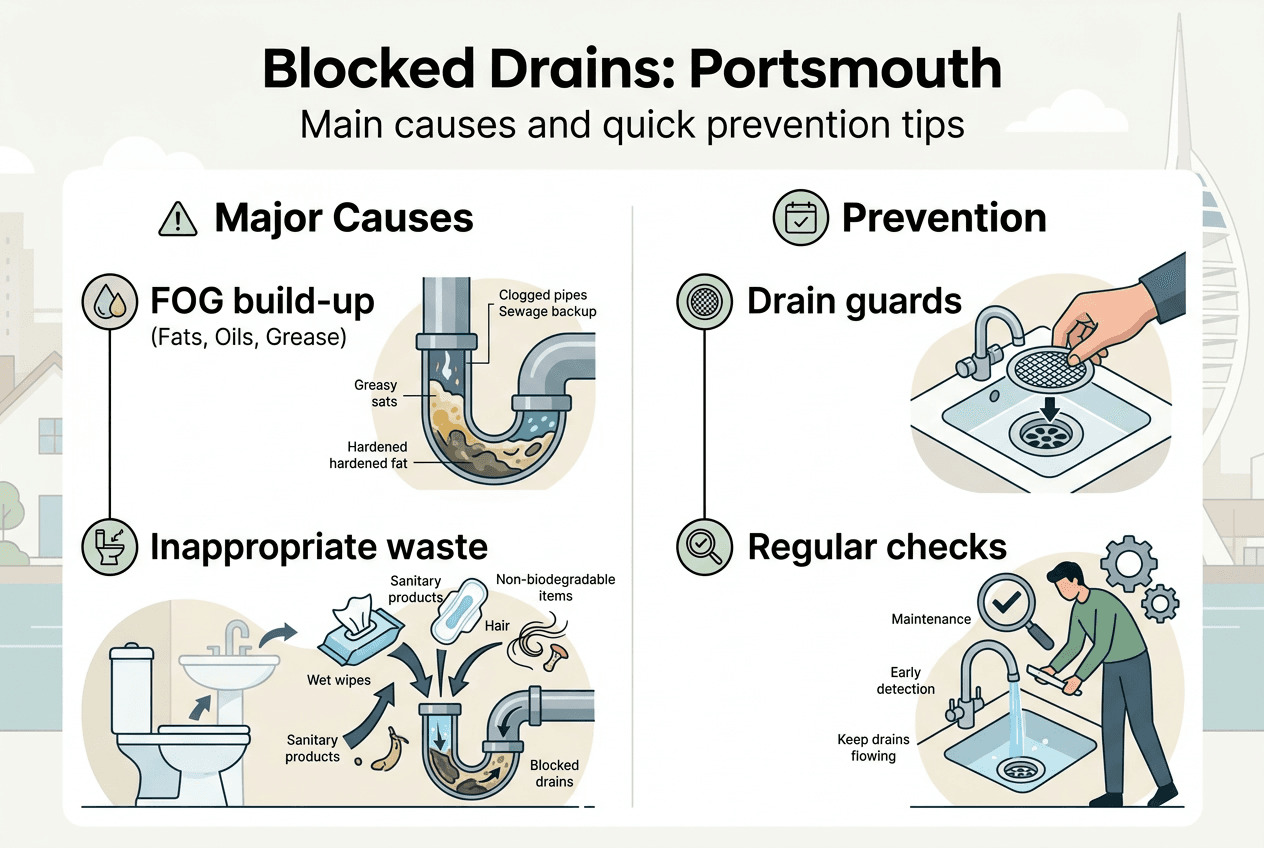
Whilst soil conditions set the stage, specific household and structural factors trigger most blockages. Recent data reveals FOG causes 37.5% of blockages, inappropriate items 33.3%, misaligned pipes 12.5%, tree roots 8.3%, and sewer back-ups 8.3%. These statistics from 2025 show FOG remains the dominant culprit despite years of public awareness campaigns.
Fats, oils, and grease behave deceptively when poured down drains. They flow as liquids when hot but solidify as they cool, adhering to pipe walls and gradually narrowing the passage. Over weeks and months, these deposits build up, trapping food particles, soap scum, and other debris until water flow slows to a trickle or stops completely. Kitchen sinks face the highest FOG risk, but bathroom drains also accumulate oils from personal care products.
Inappropriate disposals create immediate blockages or contribute to gradual build-up. Common offenders include wet wipes marketed as flushable, cotton buds, dental floss, and sanitary products. These items do not break down in water like toilet paper and instead catch on pipe irregularities, creating anchor points where other debris accumulates. Even small amounts of these materials can trigger significant blockages in older pipe systems with rougher interior surfaces.
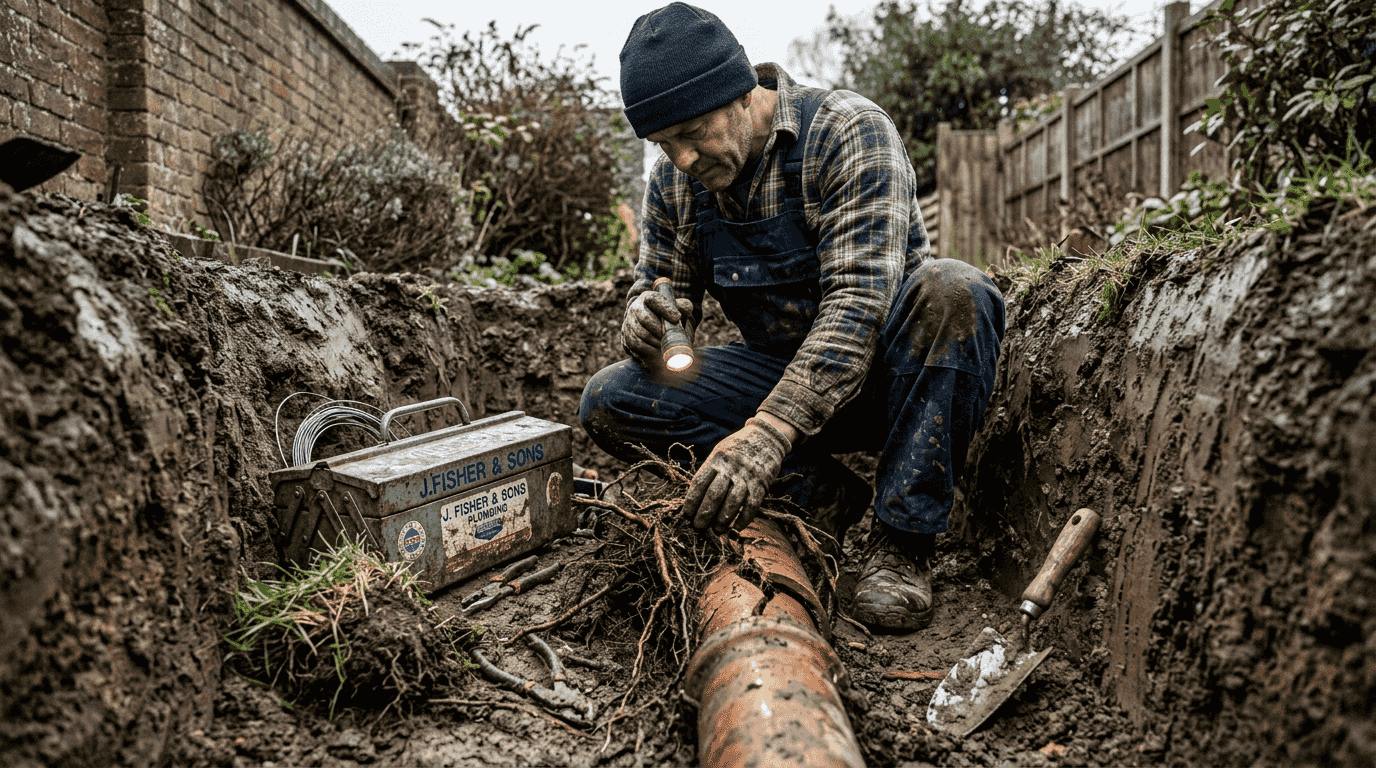
Structural issues account for nearly 21% of blockages when combining misaligned pipes and tree root intrusion. Pipe misalignment occurs when ground settlement, temperature changes, or poor initial installation cause sections to shift out of proper alignment. These misaligned joints create lips or gaps where debris catches easily. Tree roots, attracted to the moisture and nutrients in sewer lines, exploit tiny cracks and grow into pipes, creating dense mats that trap passing waste.
| Blockage cause | Percentage | Primary location | Prevention method |
|---|---|---|---|
| FOG accumulation | 37.5% | Kitchen drains | Dispose in bins, not sinks |
| Inappropriate items | 33.3% | Toilets, bathrooms | Bin all non-toilet paper items |
| Misaligned pipes | 12.5% | Underground sections | Professional inspection every 3-5 years |
| Tree root intrusion | 8.3% | Garden drainage lines | Root barriers, regular CCTV surveys |
| Sewer back-ups | 8.3% | Main connection points | Report municipal issues promptly |
Sewer back-ups represent a growing concern, particularly in areas experiencing infrastructure stress. When main sewer lines become overwhelmed or damaged, wastewater can reverse flow into residential drains, bringing debris and blockages with it. Portsmouth’s recent infrastructure challenges, detailed in the next section, highlight how municipal drainage problems directly impact individual properties.
Common household items that cause blockages:
- Wet wipes and baby wipes, even those labelled flushable
- Cooking fats, oils, and grease from any source
- Coffee grounds and food scraps
- Hair combined with soap residue
- Cotton buds, dental floss, and cotton wool
- Sanitary products and nappies
Pro Tip: Install drain guards in kitchen sinks and shower drains to catch debris before it enters your pipes. These inexpensive mesh screens prevent 60 to 70% of common blockage materials from reaching your drainage system.
Understanding these causes helps you recognise early warning signs. Slow drainage, gurgling sounds, or unpleasant odours indicate developing blockages that respond well to early intervention and proper unblocking techniques.
The impact of local sewer infrastructure problems on drainage blockages
Portsmouth’s drainage challenges extend beyond individual properties to encompass significant municipal infrastructure issues. Eastern Road has experienced 16 sewer pipe bursts in five years, causing eight weeks of closure and prompting a £3.5 million investment in innovative pipe-within-a-pipe repair technology by Southern Water. These repeated failures demonstrate how ageing infrastructure creates cascading problems for residential drainage systems.
When main sewer lines burst or fail, the immediate impact includes service disruptions, but longer-term consequences affect drainage performance across connected properties. Burst pipes allow soil, debris, and groundwater to enter the sewer system, creating blockages downstream. Repairs often require temporary diversions or reduced capacity, increasing pressure on remaining functional sections and raising the likelihood of back-ups into residential drains.
The pipe-within-a-pipe technology deployed on Eastern Road represents a significant advancement in sewer repair methods. This approach involves inserting a new, smaller diameter pipe inside the existing damaged pipe, creating a seamless, corrosion-resistant conduit without requiring complete excavation. The technique reduces repair time from months to weeks and minimises surface disruption, though it does slightly reduce overall pipe capacity.
Another critical project addressed a persistent pressure point on Stanley Road, where a £250,000 sewer redesign tackled bottlenecks causing backups and overflows. This redesign involved reconfiguring pipe layouts to eliminate sharp bends and inadequate gradients that impeded flow. By removing these structural impediments, the project aims to prevent the recurring blockages that plagued the area.
Infrastructure repairs create temporary but significant disruptions:
- Road closures affecting local access and increasing traffic congestion
- Temporary drainage capacity reductions during repair work
- Increased risk of localised flooding during heavy rainfall
- Noise and activity disturbance for nearby residents
These municipal challenges underscore the importance of maintaining your private drainage system in optimal condition. When public infrastructure operates at reduced capacity or experiences failures, properties with well-maintained drains cope better and experience fewer back-up incidents. Understanding how different drainage pipes function and age helps you assess your system’s vulnerability during infrastructure stress periods.
| Infrastructure issue | Location | Investment | Technology used | Expected benefit |
|---|---|---|---|---|
| Repeated sewer bursts | Eastern Road | £3.5 million | Pipe-within-a-pipe | Eliminates future bursts, extends lifespan |
| Pressure point redesign | Stanley Road | £250,000 | Layout reconfiguration | Removes bottlenecks, prevents overflows |
These large-scale projects demonstrate Southern Water’s commitment to addressing systemic problems, but implementation takes time. Meanwhile, homeowners benefit from understanding how their private systems connect to public infrastructure and what measures protect their properties during municipal drainage stress. Consulting a comprehensive drainage system guide provides context for how public and private systems interact.
Preventing and managing blocked drains in your Portsmouth home
Prevention requires consistent habits and periodic professional attention. Regular maintenance addresses debris accumulation before it becomes problematic, whilst proper disposal practices eliminate the primary causes of blockages. Understanding the difference between cleaning and repair helps you respond appropriately when problems arise.
Drain cleaning removes obstructions whilst pipe repair addresses physical damage; certain issues like incorrect pipe slopes require repair rather than cleaning. Cleaning methods include mechanical snaking, high-pressure water jetting, and chemical treatments, each suited to different blockage types. Repair becomes necessary when pipes crack, collapse, or suffer joint separation, problems that cleaning cannot resolve.
Establishing prevention routines significantly reduces blockage frequency:
- Scrape plates thoroughly before washing, disposing of food waste in bins
- Pour fats, oils, and grease into containers for bin disposal once cooled
- Use drain guards in all sinks, showers, and baths to catch debris
- Flush only toilet paper and human waste, binning everything else
- Run hot water through kitchen drains weekly to help dissolve minor FOG deposits
- Schedule professional drain inspections every three to five years
When blockages occur despite prevention efforts, swift action minimises damage and expense. Stop using affected drains immediately to prevent overflow and potential water damage. Assess whether the blockage affects a single fixture or multiple drains; widespread problems often indicate main line blockages requiring professional intervention.
Safe DIY approaches for minor blockages:
- Plungers for toilet and sink blockages near the drain opening
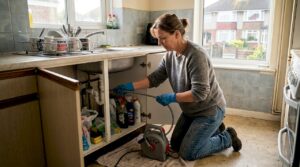
- Drain snakes for hair and debris within a few metres of the access point
- Enzyme-based cleaners for gradual build-up, avoiding harsh chemicals that damage pipes
- Hot water flushes for minor FOG accumulation in kitchen drains
Pro Tip: Keep a drain plunger specifically for sinks separate from your toilet plunger. Cross-contamination creates hygiene issues, and different plunger designs work better for different fixtures.
Recognise when professional help becomes necessary. Persistent slow drainage despite DIY efforts, multiple blocked drains simultaneously, sewage odours, or water backing up into other fixtures all indicate serious problems requiring expert diagnosis. Emergency drain unblocking procedures outline immediate steps to take whilst waiting for professional assistance.
Understanding drain unblocker limitations helps set realistic expectations. Chemical drain cleaners fail against approximately 30% of blockages, particularly those involving solid objects, severe FOG build-up, or structural issues. Overreliance on chemical solutions can damage pipes and delay proper treatment.
Maintaining detailed records of drainage issues, professional visits, and repairs helps identify patterns and supports warranty claims or property transactions. Note dates, symptoms, treatments applied, and outcomes to build a comprehensive drainage history for your property.
Get expert help with blocked drains in Portsmouth
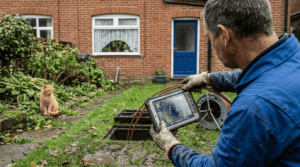
When prevention fails or serious blockages develop, professional drainage specialists combine diagnostic technology with proven unblocking methods to restore your system quickly. Modern CCTV drain surveys pinpoint blockage locations and identify underlying structural issues, eliminating guesswork and preventing unnecessary excavation. High-pressure water jetting clears even stubborn blockages whilst cleaning pipe walls, restoring full flow capacity.
Experienced local teams understand Portsmouth’s unique challenges, from clay soil impacts to common infrastructure stress points. They respond rapidly to emergencies, minimising water damage and disruption to your household. Whether you face a simple blockage or complex drainage failure, accessing professional drain unblocking solutions ensures effective resolution backed by guarantees and expertise.
Don’t let blocked drains escalate into costly repairs or health hazards. Contact Portsmouth’s drainage specialists for rapid assessment, transparent pricing, and lasting solutions that address root causes rather than just symptoms.
FAQ
What is the primary cause of blocked drains in Portsmouth?
FOG accumulation leads blockage causes at 37.5%, followed by inappropriate disposals at 33.3% and structural issues like misaligned pipes and tree roots combining for 21%. Kitchen drains face the highest FOG risk, whilst bathrooms suffer more from inappropriate item disposal. Understanding these proportions helps you focus prevention efforts on the most impactful areas.
How does Portsmouth’s soil affect drain blockages?
Clay-rich soil reduces drainage rates by up to 50%, creating conditions where debris settles more readily inside pipes rather than being flushed away. Slower water percolation through surrounding soil also increases hydrostatic pressure on pipes during wet periods, potentially worsening existing cracks or joint separations. Properties on clay soil benefit from more frequent drainage inspections than those on sandy or loamy ground.
What should I do when my drain is blocked?
Stop using the affected drain immediately to prevent overflow and water damage. Assess whether a single fixture or multiple drains are affected; widespread blockages indicate main line problems requiring professional help. For isolated blockages, try a plunger or drain snake, but avoid harsh chemical cleaners that can damage pipes. If DIY methods fail within 30 minutes or you notice sewage odours, contact emergency drainage services promptly.
Can tree roots really damage my drains?
Tree roots cause 8.3% of blockages by exploiting tiny cracks in pipes and growing into dense mats that trap debris. Roots are attracted to the moisture and nutrients in sewer lines, particularly during dry periods when other water sources diminish. Once inside pipes, roots expand as they grow, eventually causing cracks to widen or pipes to collapse. Properties with mature trees within 10 metres of drainage lines face elevated risk and benefit from regular CCTV inspections to detect root intrusion early.
How often should I have my drains professionally inspected?
Most Portsmouth properties benefit from professional drainage inspections every three to five years, but clay soil conditions may warrant more frequent checks every two to three years. Properties with mature trees, older pipe systems, or a history of blockages should inspect annually. Regular inspections identify developing problems like root intrusion, pipe deterioration, or accumulating debris before they cause complete blockages, saving significant repair costs and preventing emergency situations.