Most Portsmouth homeowners assume the council handles all drainage issues, but this misconception leads to costly surprises when floods occur. Understanding your drainage responsibilities and maintenance needs is crucial to protecting your home from water damage. This guide clarifies drainage system components, council responsibilities, common problems, and practical maintenance steps to keep your Portsmouth property safe and dry.
Table of Contents
- Understanding Drainage Systems In Portsmouth Homes
- The Role Of Portsmouth City Council In Drainage Maintenance
- Common Drainage Issues Portsmouth Homeowners Face And How To Troubleshoot
- Best Practices For Maintaining Your Drainage System
- Trusted Drainage Services In Portsmouth
- Frequently Asked Questions
Key takeaways
| Point | Details |
|---|---|
| System knowledge prevents damage | Understanding drainage components helps homeowners spot issues early and maintain systems effectively. |
| Council maintains communal areas | Portsmouth City Council covers main drains and structural elements but not damage from neglect. |
| Regular maintenance saves money | Proactive cleaning and inspections prevent blockages and reduce emergency repair costs significantly. |
| Early intervention matters | Addressing drainage problems quickly stops minor issues becoming expensive flood damage. |
Understanding drainage systems in Portsmouth homes
Your home’s drainage system comprises several interconnected components working together to channel water safely away. Gutters collect rainwater from your roof, directing it through downpipes into underground drains. These drains then connect to the main sewer system, preventing water accumulation around your property.
Rainwater and wastewater follow separate or combined paths depending on your property’s age. Older Portsmouth homes often have combined systems where everything flows into one drain, whilst newer properties typically separate rainwater from sewage. Understanding this distinction helps you identify which pipes serve which purpose when problems arise.
Responsibility for drainage maintenance splits between homeowners and the council. Portsmouth City Council maintains the structure including drains, gutters, and pipes in council properties. Private homeowners typically manage their property’s private drains up to the boundary where they connect to public sewers.
The main drainage components include:
- Gutters and downpipes channelling roof water
- Underground drainage pipes carrying waste and rainwater
- Inspection chambers allowing access for maintenance
- Connection points to main sewers
- Soakaways for surface water disposal
Homeowners maintain private drains, gutters, and internal pipework. The council handles communal drainage serving multiple properties and public sewer networks. Knowing where your responsibility ends and the council’s begins prevents confusion when drainage pipes need attention.
The role of Portsmouth City Council in drainage maintenance
Portsmouth City Council plays a crucial role managing flood risk across the city through strategic planning and infrastructure maintenance. The council directs development to low-risk areas and maintains drainage systems serving communal spaces and council housing.
For council property tenants, the authority maintains structural components including main drains, gutters, and pipes. This responsibility covers repairs needed through normal wear and deterioration. The council also manages surface water drainage in public areas, ensuring roads and pavements remain flood free during heavy rainfall.
However, important exclusions apply to council repair responsibilities:
- Damage caused by resident misuse or negligence
- Problems from unapproved alterations or installations
- Blockages from inappropriate items flushed or poured down drains
- Internal plumbing issues within tenant control
The council is not responsible for repairs due to misuse, damage or neglect by residents.
This policy means tenants and homeowners must maintain their drainage systems properly to avoid shouldering repair costs. If you’re unsure whether an issue falls under council responsibility, contact their drainage team for guidance. They can inspect the problem and clarify who handles the repair.
For private homeowners, the council maintains public sewers and strategic drainage infrastructure but not private drains serving individual properties. When blocked drains occur, determining responsibility depends on where the blockage sits relative to your property boundary. Understanding Portsmouth’s flood protection policies helps you work effectively with council services when needed.
Common drainage issues Portsmouth homeowners face and how to troubleshoot
Portsmouth properties experience several recurring drainage problems that homeowners can often identify and address early. Recognising these issues prevents minor concerns escalating into serious flood damage or structural problems.
Typical drainage problems include:
- Slow draining sinks, baths, or toilets indicating partial blockages
- Foul odours suggesting trapped debris or standing water
- Gurgling sounds when water drains pointing to ventilation issues
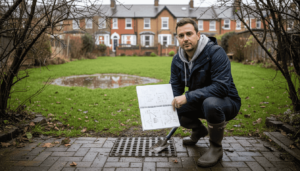
- Water pooling around drains after rainfall
- Visible cracks or damage to external drainage components
- Damp patches on walls near drainage routes
Improper maintenance and misuse cause most drainage failures in Portsmouth homes. When you notice problems, follow these troubleshooting steps:
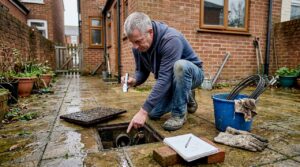
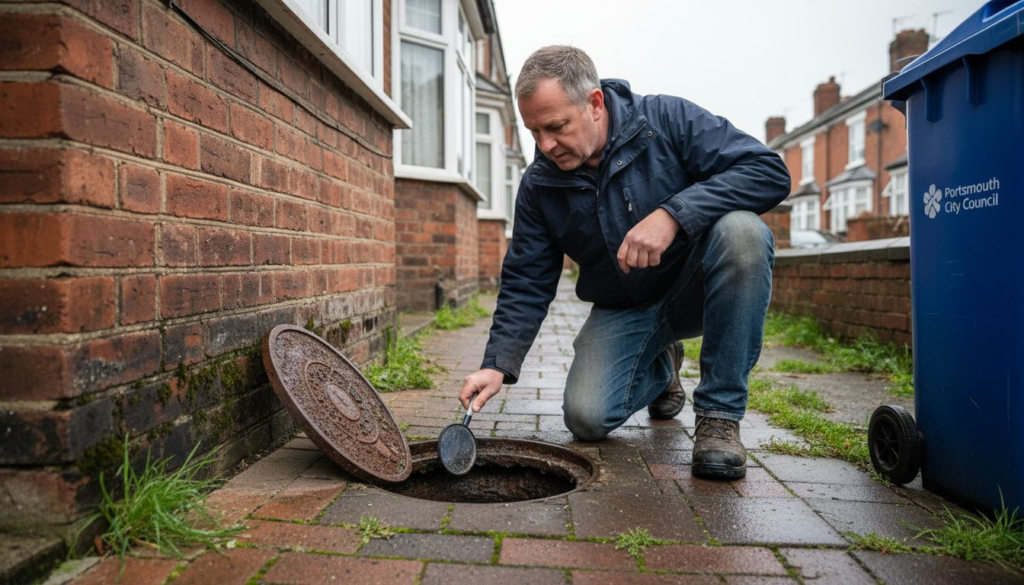
- Check external drains for visible blockages like leaves or debris
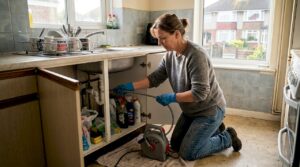
- Remove any accessible obstructions using gloves and basic tools
- Test water flow by running taps to see if drainage improves
- Inspect gutters and downpipes for blockages affecting rainwater flow
- Look for signs of leaks or damage around pipe connections
- Note any recurring patterns like problems only during heavy rain
Pro tip: Clear gutters and external drains every autumn before winter rainfall increases. Never pour grease, coffee grounds, or non-flushable items down drains as these create stubborn blockages requiring professional removal.
If basic troubleshooting doesn’t resolve the issue, professional help becomes necessary. Persistent problems often indicate deeper blockages or structural damage needing specialist equipment. Drainage troubleshooting catches issues early, preventing water backing up into your home or causing foundation damage. Acting quickly when you spot warning signs saves significantly on repair costs and protects your property value.
Best practices for maintaining your drainage system
Proactive drainage maintenance prevents most common problems whilst extending system lifespan. Simple habits practiced regularly keep water flowing smoothly and reduce emergency callout needs.
Establish these maintenance routines:
- Clear gutters and downpipes every six months minimum
- Flush outdoor drains monthly with hot water
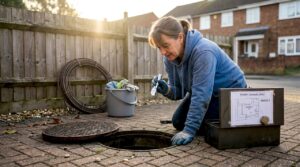
- Check inspection chambers quarterly for blockages
- Trim vegetation near drainage pipes to prevent root intrusion
- Install drain guards to catch debris before it enters pipes
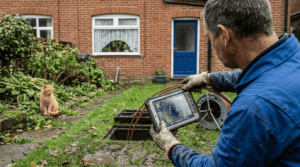
- Schedule professional CCTV surveys every two years
The following table shows how maintenance frequency affects costs and flood risk:
| Maintenance frequency | Annual cost estimate | Flood risk reduction | Emergency repair likelihood |
|---|---|---|---|
| Monthly checks | £120-180 | 85% lower | Very low |
| Quarterly inspections | £80-120 | 65% lower | Low |
| Annual only | £40-60 | 30% lower | Moderate |
| Reactive only | £0 upfront | No reduction | High |
Regular drain cleaning delivers measurable benefits beyond cost savings. Maintained systems last decades longer and perform reliably during Portsmouth’s heaviest rainfall periods.
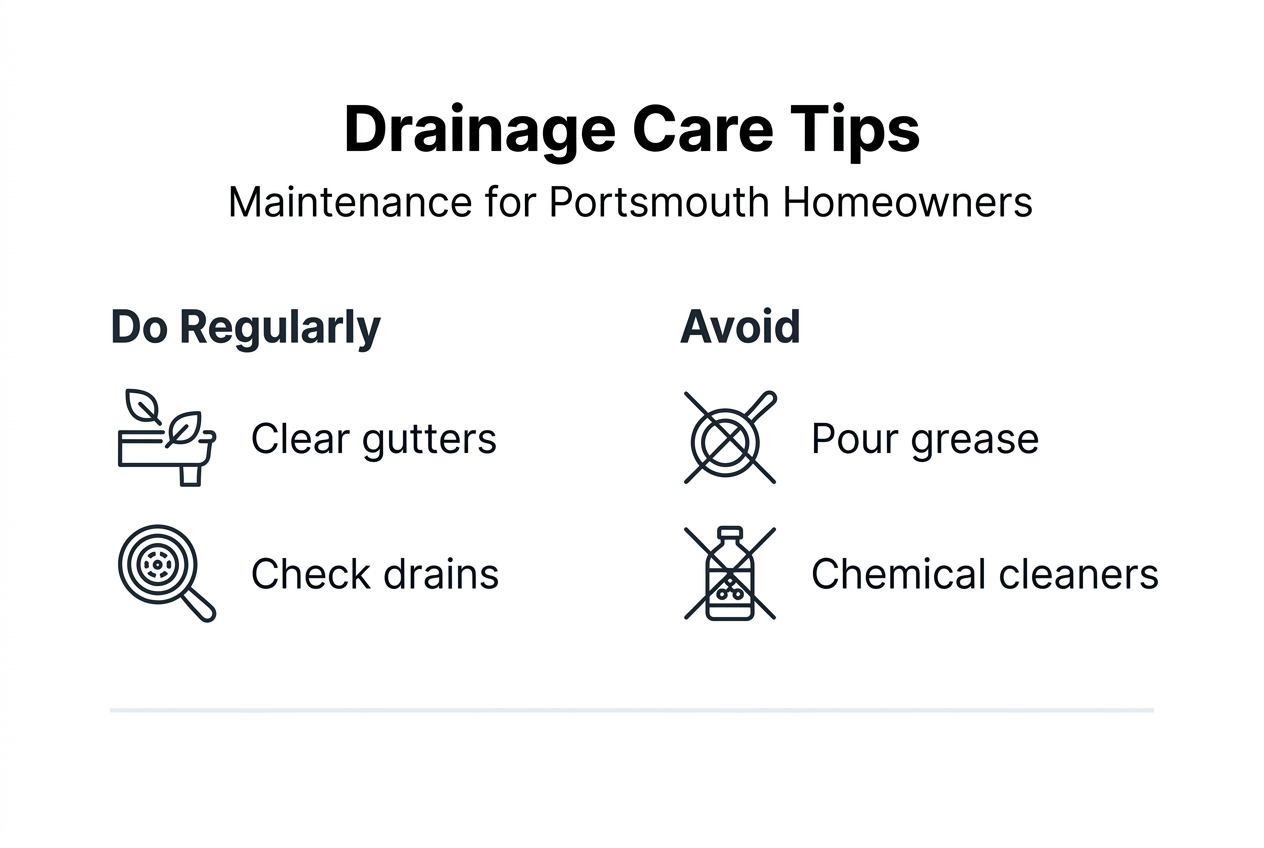
Pro tip: Schedule gutter cleaning in late autumn after leaves fall and again in spring after blossom season. Avoid chemical drain cleaners for regular maintenance as these corrode pipes over time, creating bigger problems than they solve.
Knowing how to unblock drains yourself handles minor issues, but don’t hesitate calling professionals for stubborn blockages. Understanding emergency drain unblocking steps prepares you to act quickly when serious problems strike, minimising water damage to your property.
Seasonal attention matters particularly in Portsmouth’s coastal climate. Winter brings increased rainfall testing drainage capacity, whilst spring growth can introduce roots into pipes. Aligning maintenance with these seasonal patterns keeps your system functioning optimally year round.
Trusted drainage services in Portsmouth
Whilst regular maintenance prevents many drainage issues, some problems require professional expertise and specialist equipment. Acting quickly when serious blockages or damage occur protects your home from extensive water damage and keeps repair costs manageable.
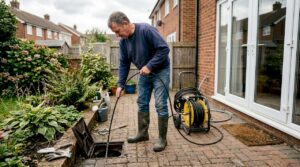
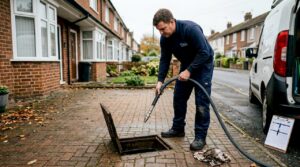
Local drainage specialists understand Portsmouth’s unique challenges, from coastal weather patterns to the older infrastructure common in many neighbourhoods. Professional services use CCTV surveys to pinpoint blockage locations without excavation, high pressure jetting to clear stubborn obstructions, and structural repairs for damaged pipes. When you face persistent drainage problems despite regular maintenance, expert assessment identifies underlying issues your troubleshooting might miss.
Exploring emergency drain unblocking steps equips you for urgent situations, whilst understanding drain unblocking solutions helps you choose appropriate services. For comprehensive drainage support combining emergency response with preventive maintenance, Blocked Drains Portsmouth offers specialist services tailored to local property needs.
Frequently asked questions
How do I know if my drainage system needs professional attention?
Persistent blockages returning after home remedies, foul smells that won’t clear, or water backing up into your home signal professional help is needed. Visible cracks in external drains or water pooling around your property foundation also require expert assessment to prevent structural damage.
Who is responsible for drainage repairs in Portsmouth homes?
The council maintains main drains, public sewers, and communal drainage areas in council properties but homeowners handle private drains within property boundaries. Repairs needed due to neglect, misuse, or unapproved alterations become the homeowner’s responsibility regardless of property type.
How often should I clean or inspect my drainage system?
Clean gutters and external drains twice yearly minimum, increasing to quarterly if trees overhang your property. Professional CCTV inspections every one to two years catch developing problems before they cause serious damage or flooding.
What can cause blockage in home drainage systems?
Leaves, grease, food waste, hair, and non-flushable items like wet wipes create most household blockages. Tree roots seeking moisture can penetrate pipes, whilst structural damage from ground movement allows soil ingress that gradually restricts flow.