Blocked drains and failing drainage systems cause thousands of pounds in water damage to Portsmouth properties every year. Whether you’re dealing with slow draining sinks, foul odours, or standing water in your garden, understanding how to tackle drainage repairs properly protects your home’s value and prevents costly emergency callouts. This comprehensive guide walks you through preparation, repair techniques, common mistakes, and maintenance strategies to keep your drains flowing freely.
Table of Contents
- Key takeaways
- Preparing for drainage repairs: what you need and why it matters
- Step-by-step guide to repairing drainage issues effectively
- Common drainage repair mistakes and how to avoid them
- Verifying repair success and maintaining clear drains
- Trusted drainage repair services in Portsmouth
- Frequently asked questions
Key Takeaways
| Point | Details |
|---|---|
| Preparation and safety | Proper preparation separates successful drainage repairs from recurring headaches by gathering the right equipment and understanding what you are dealing with before touching any pipes. |
| CCTV inspection value | CCTV drain inspection identifies cracks, root intrusion points and pipe misalignment before digging, saving hours of guesswork and ensuring targeted repairs. |
| Mechanical and lining repair | Combining mechanical removal with pipe lining provides a lasting fix that prevents regrowth and reduces the need for future intrusive work. |
| Maintenance and prevention | Regular inspection and maintenance help prevent blockages returning by addressing root causes and monitoring drainage condition. |
Preparing for drainage repairs: what you need and why it matters
Proper preparation separates successful drainage repairs from recurring headaches. Before touching a single pipe, gather the right equipment and understand what you’re dealing with.
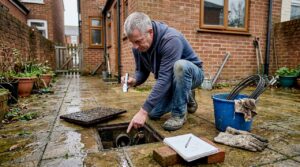
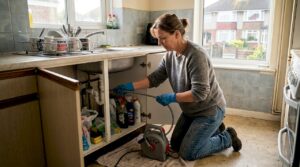
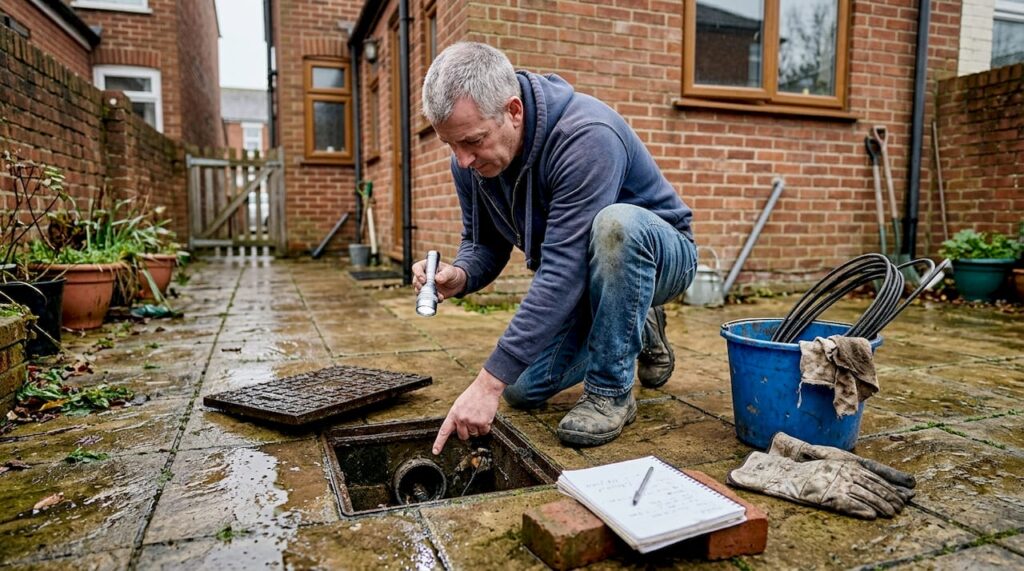
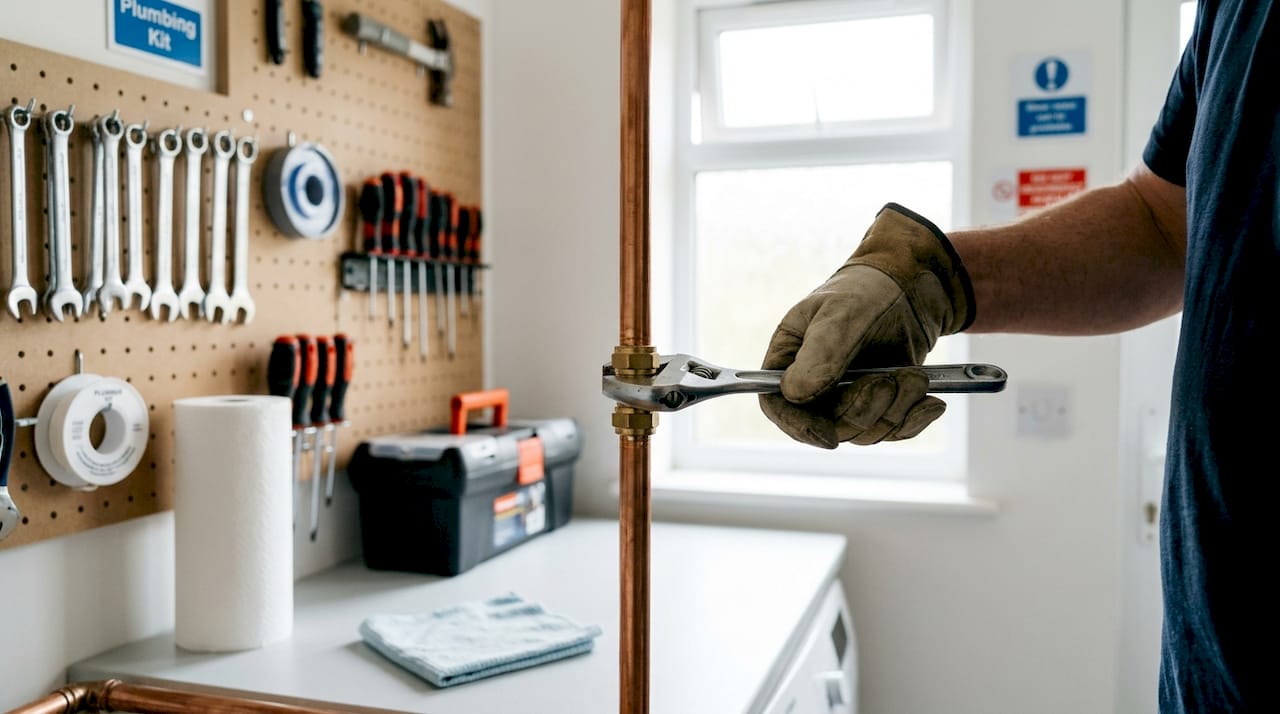
Essential tools include drain rods for manual blockage removal, pipe wrenches for accessing joints, a bucket for catching debris, and a torch for inspecting dark spaces. Safety gear matters just as much: heavy-duty gloves protect against sharp debris and bacteria, whilst safety goggles shield your eyes from splashback. Steel-toed boots prevent foot injuries if heavy equipment slips.
Pro tip: Check Portsmouth City Council regulations before starting major drainage work, as some repairs require notification or approval.
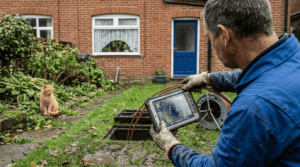
Modern CCTV drain inspection technology reveals problems invisible to the naked eye. A camera survey identifies cracks, root intrusion points, and pipe misalignment before you start digging. This diagnostic step saves hours of guesswork and prevents incomplete repairs. Many Portsmouth drainage specialists offer CCTV drain inspection services that pinpoint exact problem locations.
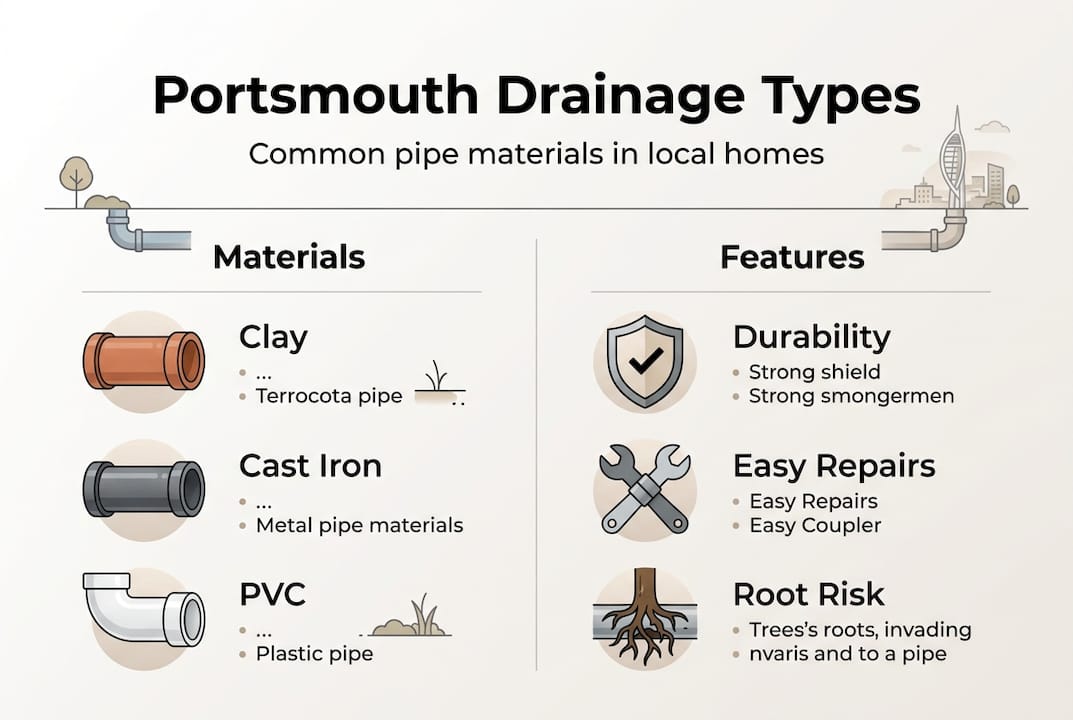
Understanding your drainage system’s construction helps too. Portsmouth homes typically feature clay, cast iron, or PVC pipes, each requiring different repair approaches. Clay pipes crack more easily but accept lining well, whilst cast iron corrodes over time. Knowing your pipe material and layout determines which repair method works best.
| Tool/Equipment | Purpose | Priority Level |
|---|---|---|
| Drain rods | Manual blockage clearing | High |
| CCTV camera | Problem diagnosis | High |
| Safety gloves | Hand protection | Essential |
| Pipe wrench | Joint access | Medium |
| Drain liner kit | Sealing cracks | High for root issues |
| Jetting equipment | Stubborn blockages | Medium |
Tree roots cause particularly stubborn drainage problems in Portsmouth’s older neighbourhoods. Roots seek moisture and nutrients, infiltrating even tiny cracks in pipes. Simply clearing roots mechanically provides temporary relief, but root intrusion recurs without sealing. Combining mechanical removal with pipe lining creates a lasting solution that prevents regrowth.
Initial assessment steps:
- Identify all affected drains and note symptoms
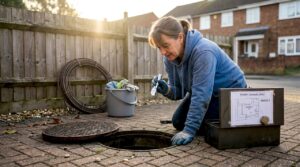
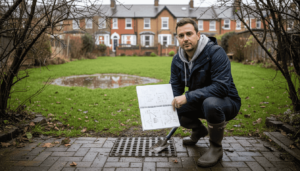
- Check external inspection chambers for standing water
- Test water flow at multiple points to isolate blockage location
- Document any foul smells indicating organic buildup
- Review property history for previous drainage work
Gathering this information before starting repairs ensures you address root causes rather than symptoms. Many homeowners waste money on repeated temporary fixes when a single comprehensive repair would solve the underlying issue permanently.
Step-by-step guide to repairing drainage issues effectively
Systematic repair processes deliver reliable results. Follow these steps to restore proper drainage function and prevent future blockages.
-
Assess and locate the blockage precisely. Start at the property’s lowest drainage point and work upwards. Pour water into each drain whilst observing flow rates. Slow drainage indicates partial blockage, whilst complete stoppage suggests total obstruction. Use drain rods to probe suspect areas, feeling for resistance that signals debris accumulation.
-
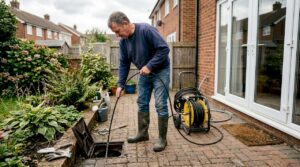
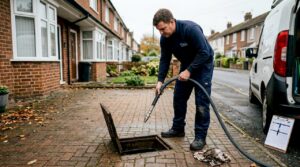
Remove mechanical obstructions thoroughly. For accessible blockages, attach appropriate fittings to drain rods and work methodically. Rotate rods clockwise whilst applying steady pressure to break up debris. Never force rods, as excessive pressure cracks pipes. For root intrusions, specialised cutting heads slice through vegetation. Professional-grade drain jetting uses high-pressure water to scour pipe walls, removing years of accumulated grease and scale.
-
Apply sealing or lining materials strategically. After clearing blockages, inspect pipes for damage. Small cracks accept epoxy sealants applied from inside the pipe. Larger damage requires pipe lining, where resin-impregnated fabric inflates against pipe walls and hardens into a smooth new surface. This trenchless repair method avoids excavation and restores structural integrity.
-
Test flow comprehensively after repairs. Run water through all connected drains simultaneously to simulate peak load. Check inspection chambers for proper flow and absence of backing up. Listen for gurgling sounds indicating trapped air or partial blockages. A successful repair produces smooth, quiet drainage with no odours.
Pro tip: For stubborn blockages resistant to manual rodding, professional drain jetting equipment delivers water at pressures exceeding 3000 PSI, cutting through the toughest obstructions without damaging pipes.
Safety Warning: Always wear protective equipment during drainage repairs. Sewage contains harmful bacteria including E. coli and hepatitis A. Contaminated water splashing into eyes or open cuts causes serious illness. Keep tetanus vaccinations current if working with drainage systems regularly.
The combination approach works best for lasting results. Mechanical clearing removes immediate obstructions, whilst lining prevents recurrence by eliminating entry points for roots and debris. This dual strategy costs more initially but saves money over time by reducing repeat callouts.
Timing matters too. Address drainage problems at first signs rather than waiting for complete failure. Early intervention allows simpler, cheaper repairs. Complete blockages often indicate advanced deterioration requiring extensive work. Regular drain unblocking maintenance catches problems whilst they’re still manageable.
Document your repairs with photos and notes. Record which drains received attention, what materials you found blocking them, and which repair methods you applied. This history helps diagnose future problems and proves valuable when selling your property.
Common drainage repair mistakes and how to avoid them
Even experienced DIY enthusiasts make errors that compromise drainage repairs. Understanding these pitfalls helps you avoid expensive do-overs.
The biggest mistake involves clearing roots without sealing entry points. Mechanical removal provides immediate relief as water flows freely again. However, root systems regrow within months without barrier protection. Roots follow the same cracks back into pipes, recreating blockages worse than before. Always combine root removal with lining or sealing.
Improper tool use damages pipes and worsens problems. Forcing drain rods breaks fragile clay pipes, turning minor cracks into major fractures. Using metal tools on PVC scratches surfaces, creating rough patches where debris accumulates. Match tool selection to pipe material and apply appropriate pressure.
Neglecting routine maintenance guarantees recurring issues. Drains accumulate grease, soap residue, and organic matter gradually. Without periodic cleaning, these deposits harden into obstructions requiring aggressive intervention. Simple monthly treatments with enzyme cleaners prevent buildup.
Best practices for lasting drainage repairs:
- Always seal or line pipes after removing roots or repairing cracks
- Use appropriate tools matched to pipe material and condition
- Schedule annual CCTV inspections to catch developing problems early
- Avoid chemical drain cleaners that corrode pipes over time
- Keep detailed records of all drainage work performed
- Test repairs thoroughly before considering the job complete
- Address multiple problem areas simultaneously rather than piecemeal
Incomplete repairs create false confidence. Homeowners assume drainage issues are resolved when symptoms temporarily disappear. Months later, problems resurface worse than before. This cycle wastes money and risks property damage during the interval between failures.
Ignoring warning signs compounds damage. Slow drainage, gurgling sounds, and intermittent odours all indicate developing problems. Many Portsmouth homeowners dismiss these symptoms until complete blockage forces emergency action. By then, simple repairs escalate into major system failures requiring extensive excavation.
Poor workmanship during repairs creates new problems. Misaligned pipe joints after reassembly catch debris. Inadequate sealing allows soil infiltration. Rushed work leaves tools or debris inside pipes. Taking time to perform repairs properly prevents these avoidable complications.
Environmental factors affect repair success too. Working during heavy rain floods excavations and prevents proper sealing. Freezing temperatures stop epoxy from curing correctly. Plan drainage repairs during dry, mild weather for optimal results.
Knowing when to stop and call professionals prevents costly mistakes. Complex repairs involving main sewer connections, deep excavations, or structural pipe replacement exceed DIY capabilities. Attempting these jobs without proper equipment and expertise often makes situations worse. Recognising your limits and seeking help for challenging drainage problems saves money long term.
Verifying repair success and maintaining clear drains
Confirming repairs worked properly and establishing maintenance routines ensures long-term drainage health.
Verification steps after completing repairs:
-
Conduct visual inspections of accessible pipe sections. Look for leaks around joints, proper alignment, and absence of damage from repair work. Check that all inspection chamber covers seal properly and groundwater isn’t infiltrating the system.
-
Perform comprehensive flow tests under realistic conditions. Run multiple taps and flush toilets simultaneously to simulate peak household usage. Water should drain quickly without backing up or gurgling. Fill sinks completely, then release plugs to test maximum flow capacity.
-
Schedule follow-up CCTV inspection within three months. Camera surveys confirm lining adhered properly, roots haven’t regrown, and no new damage occurred during repairs. This verification catches problems whilst they’re still minor.
-
Monitor performance over the first month. Pay attention to drainage speed, unusual sounds, and any returning odours. Early detection of recurring issues allows quick intervention before major failures develop.
Pro tip: Schedule annual drainage inspections during autumn, before winter rainfall tests your system’s capacity. Catching problems before the wet season prevents emergency repairs during the worst weather.
| Maintenance Method | Benefits | Limitations | Best For |
|---|---|---|---|
| DIY monthly cleaning | Low cost, prevents buildup | Misses hidden problems | Regular maintenance |
| Professional jetting | Thorough cleaning, removes tough deposits | Higher cost | Annual deep cleaning |
| CCTV inspection | Identifies hidden damage early | Requires specialist equipment | Problem diagnosis |
| Enzyme treatments | Gentle, ongoing prevention | Slow acting on existing blockages | Preventive care |
| Root barriers | Prevents tree root intrusion | Installation requires excavation | Properties with trees |
Establishing a maintenance schedule prevents most drainage emergencies. Monthly enzyme treatments break down organic matter before it hardens. Quarterly visual inspections of external chambers catch obvious problems. Annual professional cleaning removes accumulated deposits DIY methods miss.
Recognise signs indicating repairs failed or new problems developed. Returning slow drainage suggests incomplete blockage removal or new obstructions forming. Foul odours indicate organic matter decomposing in pipes. Damp patches in gardens or basements signal leaking pipes requiring immediate attention.
Keep a drainage maintenance log documenting all work performed, products used, and observations made. This record helps identify patterns and proves valuable when selling your property. Prospective buyers appreciate documented drainage care demonstrating responsible homeownership.
Preventive measures reduce repair frequency significantly. Install drain guards to catch hair and food particles before they enter pipes. Educate household members about what belongs in drains and what doesn’t. Grease, coffee grounds, and hygiene products cause blockages even in well-maintained systems.
Seasonal considerations matter in Portsmouth’s climate. Autumn leaves clog external gullies if not cleared regularly. Winter freezing can crack pipes with standing water. Spring growth accelerates root intrusion into damaged pipes. Summer storms test drainage capacity with sudden heavy rainfall. Adapting maintenance routines to seasonal challenges keeps systems functioning year round.
When problems persist despite proper repairs and maintenance, underlying issues may exist. Collapsed pipes, severe root damage, or inadequate system design require professional assessment. Don’t waste money on repeated temporary fixes when comprehensive solutions are needed. Consult drainage specialists who can diagnose complex problems and recommend appropriate long-term solutions.
Successful repairs combined with diligent maintenance protect your Portsmouth property from water damage whilst avoiding expensive emergency callouts. The investment in proper tools, materials, and periodic professional help pays dividends through decades of trouble-free drainage performance.
Trusted drainage repair services in Portsmouth
Whilst many drainage repairs suit capable DIY homeowners, complex or recurring problems benefit from professional expertise. Portsmouth drainage specialists bring advanced equipment, years of experience, and comprehensive solutions that prevent repeat issues.

Professional services excel at diagnosing hidden problems causing repeated blockages. Their CCTV surveys reveal structural damage, root intrusion, and pipe misalignment invisible during basic inspections. When emergency situations arise, rapid response prevents water damage escalation.
Trusted local providers offer preventive maintenance programmes combining regular inspections with proactive cleaning. These services catch developing problems before they cause disruption, saving money compared to emergency repairs. For comprehensive drainage solutions protecting your property investment, consult established Portsmouth drainage specialists who understand local soil conditions and common system configurations. Their expertise ensures repairs last whilst providing peace of mind that your home’s drainage infrastructure functions reliably.
Frequently asked questions
How do I know if my drainage repairs were successful?
Successful repairs show clear water flow without gurgling sounds or slow drainage. You shouldn’t notice any foul odours, and inspection chambers should remain free of standing water. Follow-up CCTV inspection within three months confirms pipes are clear and lining has adhered properly.
What are the best methods to prevent future drainage blockages?
Routine monthly cleaning with enzyme treatments, annual professional jetting, and periodic CCTV inspections provide comprehensive prevention. Installing drain guards catches debris before it enters pipes. After root removal, always apply lining to seal entry points and prevent regrowth.
Should I attempt drainage repairs myself or hire a professional?
Simple blockages from hair or soap buildup suit DIY clearing with basic tools. However, root intrusion, pipe lining, structural damage, and recurring problems require professional expertise and specialised equipment. Attempting complex repairs without proper training often worsens damage and increases costs.
How often should I schedule professional drainage inspections?
Annual inspections catch developing problems before they cause emergencies. Properties with mature trees benefit from twice-yearly checks due to increased root intrusion risk. After major repairs, schedule follow-up inspection within three months to verify success.
What causes drainage systems to fail repeatedly despite repairs?
Incomplete repairs that clear blockages without sealing damage points allow problems to recur. Root systems regrow through unsealed cracks within months. Inadequate diagnosis misses underlying structural issues causing symptoms. Poor-quality materials or workmanship create new failure points during repairs.