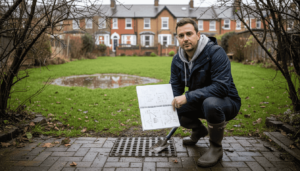
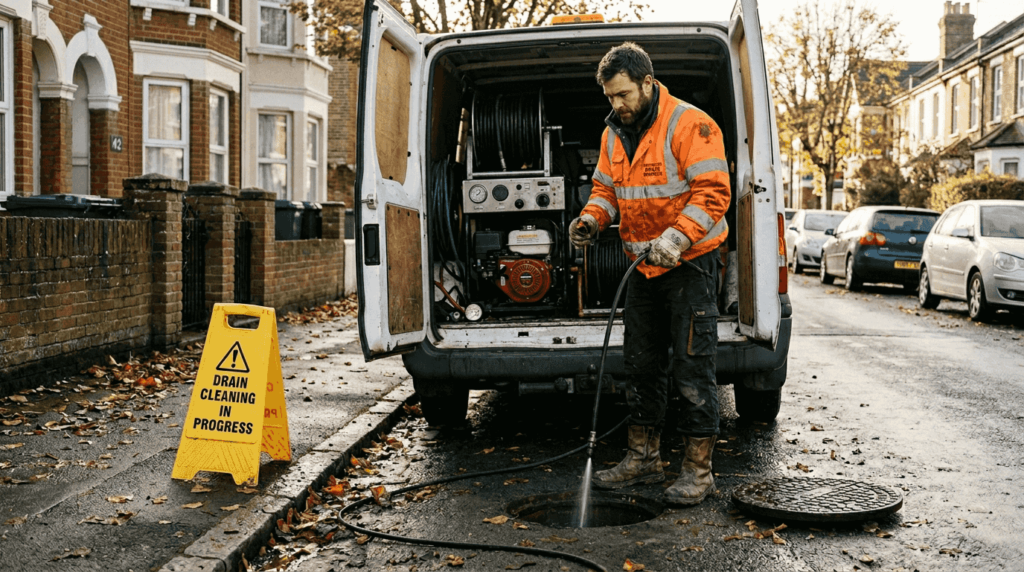
Blocked drains disrupt your daily routine and create unpleasant conditions in your Portsmouth property. You might reach for a plunger or call for a quick snake service, but these temporary fixes rarely address the underlying buildup causing repeated blockages. Professional drain jetting uses high-pressure water to thoroughly clean your pipes, removing years of accumulated grease, mineral deposits, and debris that traditional methods leave behind. This comprehensive approach delivers lasting results and prevents the frustration of recurring clogs. Understanding how drain jetting works and when to use it helps you make informed decisions about maintaining your drainage system.
Table of Contents
- Understanding Drain Jetting: How It Works
- Comparing Drain Jetting And Snaking
- Practical Applications Of Drain Jetting In Portsmouth Properties
- Expert Advice: When To Choose Professional Drain Jetting Services
- Get Expert Drain Jetting Services In Portsmouth
- Frequently Asked Questions
Key takeaways
| Point | Details |
|---|---|
| High-pressure cleaning | Drain jetting uses pressurised water to scour pipes completely, removing all buildup |
| Superior to snaking | Jetting clears grease and mineral deposits that snaking cannot reach |
| Long-term solution | Thorough pipe cleaning prevents recurring blockages for extended periods |
| Professional expertise | Trained technicians assess pipe condition and apply appropriate pressure safely |
Understanding drain jetting: how it works
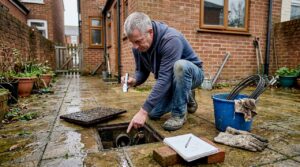
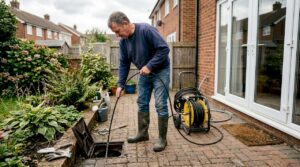
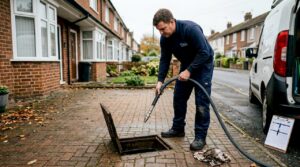
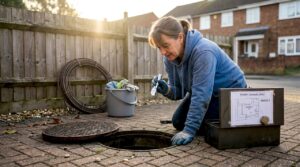
Drain jetting represents a fundamental shift from traditional blockage removal methods. Rather than simply punching a hole through an obstruction, this technique employs water pressurised between 1,500 to 4,000 PSI to blast away blockages and clean pipe interiors. The process begins when a technician inserts a specialised hose with a multi-directional nozzle into your drain access point. As water flows through the nozzle at extreme pressure, jets shoot forward to break apart obstructions whilst simultaneously spraying backward and sideways to scour the pipe walls.
This comprehensive cleaning action removes stubborn materials that accumulate over years:
- Grease and fat deposits that coat kitchen drain pipes
- Mineral scale buildup from hard water in Portsmouth properties
- Tree roots that penetrate joints and cracks in older sewer lines
- Soap scum and hair that create dense clogs in bathroom drains
- Sand, silt, and debris that settle in outdoor drainage systems
The guide to drain jetting for unblocking explains how this method cleans the entire pipe diameter rather than creating a narrow channel through the blockage. Standard equipment includes a powerful pump unit, reinforced hoses rated for high pressure, and interchangeable nozzles designed for different pipe sizes and blockage types. Professional technicians adjust pressure based on pipe material, age, and condition to ensure effective cleaning without causing damage.
Pro Tip: Schedule drain jetting during routine maintenance rather than waiting for complete blockages. This preventative approach costs less than emergency callouts and extends the lifespan of your drainage system by preventing corrosion and structural damage from persistent buildup.
Safety considerations require proper training and equipment. Technicians wear protective gear and inspect pipes before jetting to identify weak points or damage that high pressure might worsen. Modern jetting units include pressure regulators and flow controls that allow precise adjustment for delicate older pipes or robust commercial systems.
Comparing drain jetting and snaking
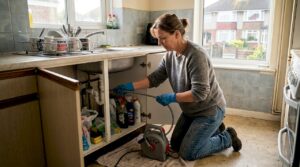
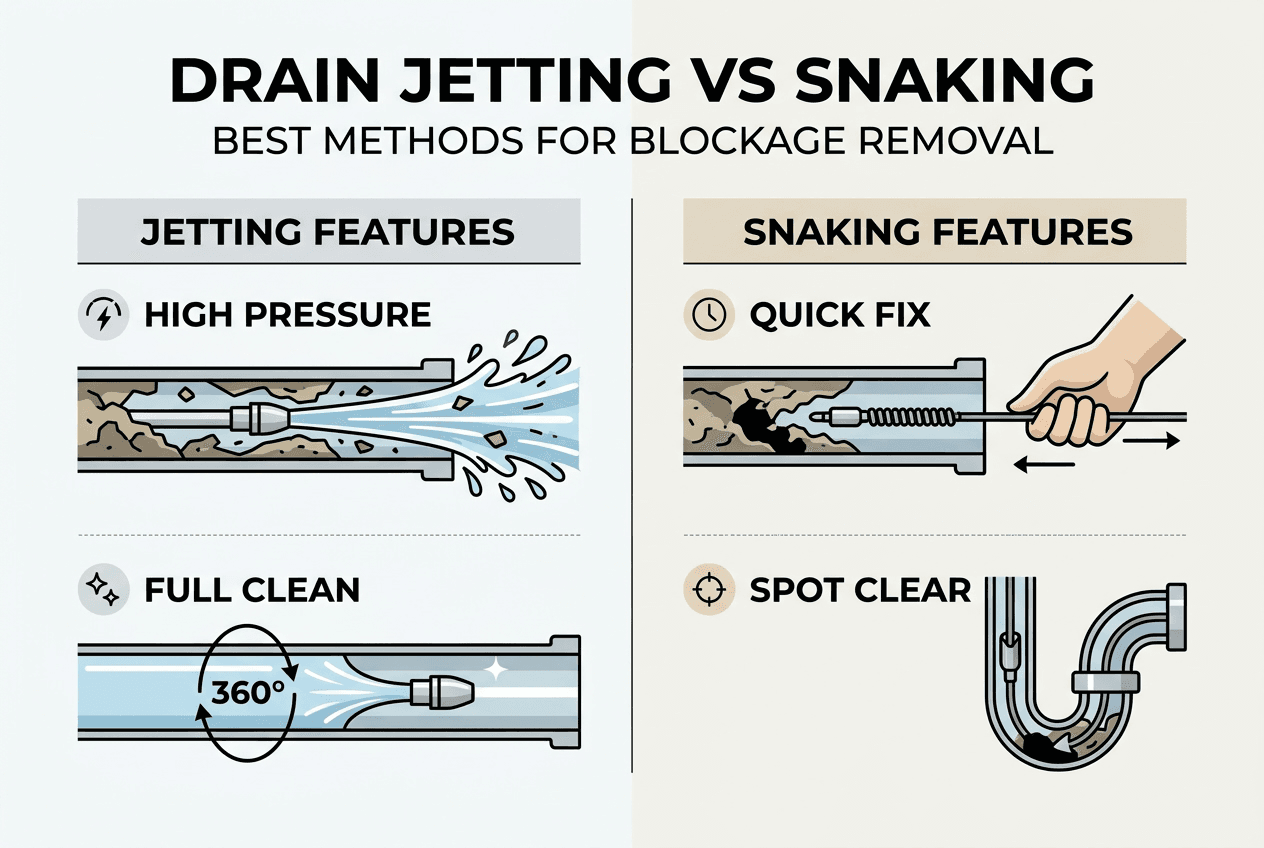
Snaking involves feeding a flexible metal cable with a cutting head into your drain to break through blockages. The rotating cable grabs or cuts obstructions, creating a path for water to flow. This method works well for simple clogs caused by hair, toilet paper, or small objects lodged in pipes. Many homeowners appreciate snaking for its quick results and lower upfront cost.
However, snaking provides a quick fix for occasional blockages whilst hydro jetting offers longer-lasting results. The fundamental difference lies in what each method leaves behind. Snaking creates a hole through the blockage but leaves residue clinging to pipe walls. This remaining buildup catches new debris and causes blockages to return within weeks or months.
| Feature | Snaking | Drain Jetting |
|---|---|---|
| Method | Mechanical cable breaks through clogs | High-pressure water scours entire pipe |
| Effectiveness | Clears simple blockages quickly | Removes all buildup and residue |
| Duration of results | Temporary, often weeks to months | Long-lasting, typically years |
| Best for | Hair, paper, single-fixture clogs | Grease, roots, mineral scale, recurring issues |
| Pipe cleaning | Creates narrow channel only | Cleans full pipe diameter |
| Cost | Lower initial expense | Higher upfront, better long-term value |
Drain jetting is best for dirty systems, especially recurring clogs or grease buildup. Property managers dealing with commercial kitchens or multi-unit buildings find jetting essential for maintaining main sewer lines that serve multiple fixtures. The thorough cleaning prevents the cascade effect where one partially blocked line causes backups throughout the system.
Consider snaking when you face a sudden blockage in a single sink or toilet with no history of recurring problems. The drain unblocker effectiveness varies significantly based on the type of obstruction. For Portsmouth homeowners experiencing monthly or quarterly blockages in the same location, snaking merely postpones the inevitable need for comprehensive cleaning.
Pro Tip: Request a CCTV inspection before choosing between methods. Camera footage reveals whether your pipes contain minor obstructions suitable for snaking or extensive buildup requiring jetting. This diagnostic step prevents wasted money on ineffective treatments.
Cost analysis requires looking beyond immediate expenses. Snaking might cost £80 to £150 per visit, but needing service every few months adds up quickly. Drain jetting typically ranges from £200 to £400 depending on system complexity, yet provides years of trouble-free drainage. Property managers find that annual jetting costs less than quarterly snaking whilst reducing tenant complaints and emergency callouts.
Practical applications of drain jetting in Portsmouth properties
Portsmouth properties face unique drainage challenges from coastal conditions, older infrastructure, and varied building types. Hard water creates mineral deposits that narrow pipes gradually. Victorian-era properties often have clay pipes with root intrusion at joints. Modern developments may experience grease accumulation from busy kitchens or construction debris in new installations.
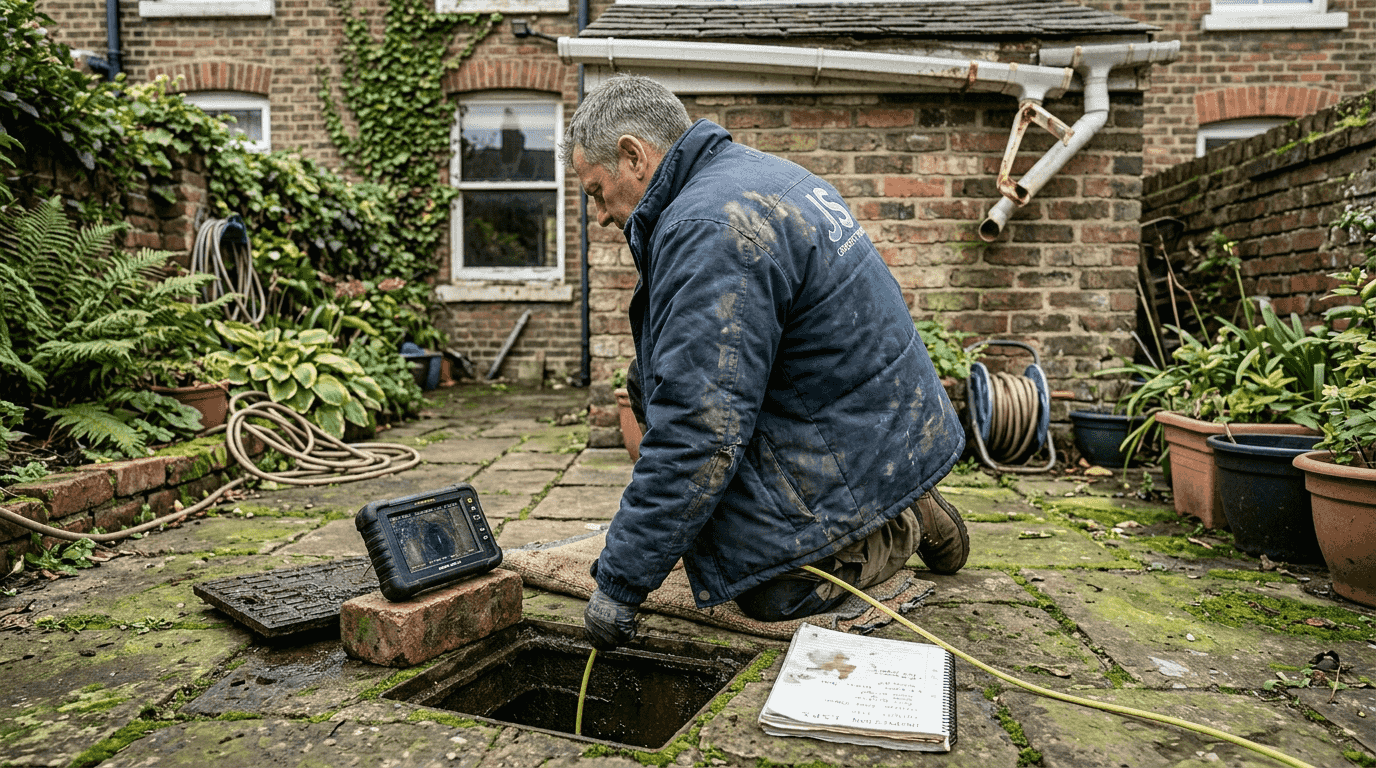
Professional drain jetting addresses these specific problems through targeted application. The process thoroughly cleans the entire pipe diameter, preventing future clogs by eliminating buildup. Kitchen drains benefit enormously from jetting because it dissolves solidified fats that coat pipes over time. Bathroom drains plagued by soap scum and hair respond well to the scouring action. Outdoor drains collecting leaves, mud, and garden debris regain full flow capacity.
The professional jetting process follows these steps:
- Initial assessment identifies access points and determines pipe material, diameter, and condition through visual inspection or camera survey.
- Technicians select appropriate nozzle type and pressure setting based on the blockage severity and pipe characteristics.
- The jetting hose feeds into the drain, starting at lower pressure to test pipe integrity and locate the blockage.
- Full pressure application begins once safety checks confirm the pipe can handle the force without damage.
- Multiple passes ensure complete cleaning as the nozzle travels the full length of affected pipes.
- Final inspection verifies all buildup removal and identifies any structural issues requiring repair.
Maintenance tips help Portsmouth homeowners maximise the benefits of professional jetting. Avoid pouring cooking oils down kitchen sinks, as even small amounts accumulate over time. Install drain screens to catch hair and debris before they enter pipes. Run hot water after each sink use to help flush residual soap and grease. The routine drain cleaning guide provides additional preventative measures that complement professional jetting.
Property managers overseeing multiple units should schedule annual jetting for main sewer lines and bi-annual service for high-use areas like commercial kitchens. This proactive approach prevents catastrophic backups that disrupt multiple tenants and require expensive emergency repairs. Regular jetting also provides documentation of maintenance efforts, which proves valuable for insurance claims and property valuations.
Commercial properties with grease traps still need periodic jetting because some fat bypasses traps or accumulates downstream. Restaurants, care homes, and food processing facilities benefit from quarterly jetting to maintain health and safety standards. The investment prevents closures due to drainage failures and protects reputation by eliminating foul odours and unsanitary conditions.
Expert advice: when to choose professional drain jetting services
Recognising when your drainage system needs professional jetting saves money and prevents property damage. Several warning signs indicate that simple fixes will no longer suffice:
- Multiple fixtures draining slowly throughout your property simultaneously
- Recurring blockages in the same location despite repeated snaking or chemical treatments
- Gurgling sounds from drains when using sinks, toilets, or washing machines
- Foul odours emanating from drains even after cleaning visible areas
- Water backing up in lower fixtures when using upper-floor plumbing
- Visible sewage or wastewater pooling in your garden or basement
Delaying professional intervention when these symptoms appear risks serious consequences. Persistent blockages create pressure that can crack pipes or damage joints. Wastewater backup exposes your family to harmful bacteria and creates costly cleanup requirements. Tree roots exploiting small cracks can destroy entire pipe sections, necessitating excavation and replacement rather than simple cleaning.
Hydro jetting is especially effective for commercial properties and main sewer lines where thorough cleaning prevents system-wide failures. Professional expertise ensures appropriate pressure application and identifies underlying issues that DIY methods miss. Technicians trained in drain jetting understand how different pipe materials respond to pressure and adjust techniques accordingly.
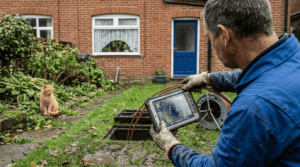
CCTV inspections complement jetting by providing visual confirmation of pipe condition before and after cleaning. The drain CCTV inspections reveal cracks, misalignments, and root intrusion that require attention beyond cleaning. This diagnostic approach prevents situations where jetting might worsen existing damage in severely compromised pipes.
“Professional drain jetting combines powerful equipment with expert knowledge to deliver results that protect your investment. Attempting high-pressure cleaning without proper training risks pipe damage, personal injury, and ineffective treatment that wastes money whilst leaving problems unresolved.”
Pro Tip: Schedule drain jetting during dry weather when possible. This timing allows technicians to identify leaks and damage more easily, as wet conditions can mask problems. Spring and autumn provide ideal windows for preventative maintenance before heavy summer usage or winter freezing conditions.
The benefits of professional services extend beyond immediate blockage removal. Experienced technicians spot early warning signs of pipe deterioration, allowing you to plan repairs before emergencies occur. They provide detailed reports documenting system condition, which proves valuable for property sales, insurance purposes, and long-term maintenance planning. Professional jetting also includes proper waste disposal, ensuring contaminated water and debris meet environmental regulations.
Get expert drain jetting services in Portsmouth
When recurring blockages disrupt your Portsmouth property, professional drain jetting provides the thorough solution you need. Stubborn grease, persistent root intrusion, and years of accumulated debris require the power and precision that only expert technicians with specialised equipment can deliver.
Experienced drainage specialists understand Portsmouth’s unique challenges, from hard water deposits to aging infrastructure. They combine advanced jetting technology with comprehensive diagnostics to identify and resolve drainage issues efficiently. Whether you face an emergency backup or want to implement preventative maintenance, professional services offer quick response times and lasting results. The guide to drain jetting for unblocking explains how expert techniques protect your pipes whilst eliminating blockages completely.
Property managers benefit from scheduled maintenance programmes that prevent costly emergencies and tenant disruptions. Homeowners gain peace of mind knowing their drainage system receives proper care from qualified professionals. For immediate assistance with blocked drains or to arrange routine jetting, visit Blocked Drains Portsmouth or explore emergency drain unblocking steps for urgent situations.
Frequently asked questions
What types of blockages can drain jetting remove?
Drain jetting effectively removes grease, mineral scale, tree roots, soap scum, hair, food waste, and debris accumulation. The high-pressure water breaks apart solid obstructions and scours away residue that coats pipe walls, making it suitable for virtually any organic or mineral-based blockage.
How often should drain jetting be scheduled?
Residential properties typically benefit from jetting every two to three years as preventative maintenance. Commercial kitchens and high-use facilities should schedule quarterly or bi-annual service depending on usage volume. Properties with recurring blockages may need annual jetting until underlying issues are resolved.
Is drain jetting safe for all types of pipes?
Professional technicians adjust pressure based on pipe material, age, and condition. Modern PVC and copper pipes handle high pressure easily, whilst older clay or cast iron pipes require lower settings. CCTV inspection before jetting identifies any weaknesses that might require repair rather than cleaning.
Can I use snaking instead of drain jetting?
Snaking works well for simple, isolated blockages like hair clogs in a single fixture. However, recurring blockages, grease buildup, mineral deposits, and root intrusion require the thorough cleaning that only jetting provides. Snaking creates a temporary channel whilst jetting restores full pipe capacity.
How long does a professional jetting service take?
Most residential jetting services complete within two to four hours, including setup, cleaning, and final inspection. Complex systems or severely blocked commercial lines may require a full day. The time investment delivers years of improved drainage performance and prevents frequent callouts for recurring problems.
Does drain jetting damage pipes?
Professional jetting performed by trained technicians does not damage healthy pipes. Experts assess pipe condition before applying pressure and adjust settings appropriately. Any damage that occurs typically reveals pre-existing weaknesses that would have failed soon regardless, allowing you to address structural issues before catastrophic failure.