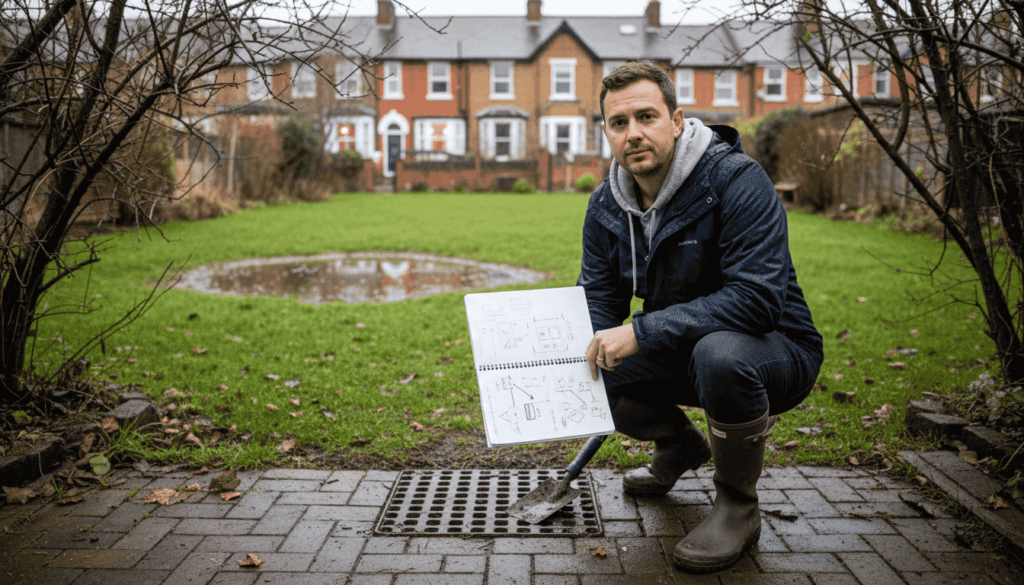
Choosing the right drainage system can feel overwhelming when you’re facing waterlogged gardens or foundation concerns. Portsmouth homeowners and property managers need practical frameworks to evaluate options that prevent flooding and protect property value. This guide breaks down essential criteria for selecting drainage systems, explores proven solutions like French drains and swales, compares common types, and delivers expert maintenance tips. You’ll gain the knowledge to make informed decisions and avoid costly drainage failures that compromise your property.
Table of Contents
- How To Evaluate Drainage Systems: Key Criteria For Portsmouth Homeowners
- French Drains: Effective Subsurface Drainage For Soggy Yards And Foundations
- Swales: Natural Surface Drainage For Managing Runoff In Portsmouth Landscapes
- Comparing Drainage Systems: French Drains, Swales, And Other Options
- Protect Your Portsmouth Property With Expert Drainage Services
- Frequently Asked Questions
Key takeaways
| Point | Details |
|---|---|
| Design quality matters | Drainage system design and installation quality directly affect long-term performance and flood prevention. |
| French drains work underground | French drains efficiently manage groundwater and integrate discreetly into landscaping whilst protecting foundations. |
| Swales handle surface runoff | Swales slow surface water flow, filter runoff, and reduce volumes by 25-50% when properly designed. |
| Maintenance prevents failure | Regular inspection and cleaning prevent clogging, extend system lifespan, and maintain drainage capacity. |
| Local guidance helps | Consult Portsmouth resources for specific flood-prone area guidance and compliance requirements. |
How to evaluate drainage systems: key criteria for Portsmouth homeowners
Selecting an effective drainage system starts with understanding technical and practical factors that determine performance. The drainage coefficient must match drainage intensity to handle peak rainfall without overwhelming the system. Soil type influences water movement rates, whilst pipe placement depth affects how quickly water tables drop after storms. Design issues are avoidable by increasing knowledge through proper planning and professional consultation.
Your drainage system should rapidly lower water tables after rainfall and maintain low levels during growing seasons to protect landscaping and prevent foundation damage. Soil permeability varies across Portsmouth properties, from clay-heavy areas requiring more aggressive drainage to sandy soils that drain naturally. Testing your soil composition before installation saves money and prevents underperformance. Many homeowners skip this step and discover their expensive system fails during the first major storm.
Regular monitoring catches problems before they escalate into flooding emergencies. Check outlets after heavy rain to confirm water flows freely. Look for standing water that lingers more than 24 hours after storms. These warning signs indicate clogging, inadequate capacity, or installation errors. Drain spacing calculators help optimise system design by accounting for soil type, crop requirements, and local rainfall patterns.
Pro Tip: Document your property’s drainage performance during different weather conditions with photos and notes. This baseline helps you spot gradual deterioration and provides valuable information when consulting failed drainage systems prevention tips or hiring professionals.
- Match drainage coefficient to local rainfall intensity
- Test soil permeability before selecting system type
- Calculate proper pipe depth for your water table
- Plan maintenance schedules around Portsmouth’s wet seasons
- Use spacing calculators for optimal system layout
French drains: effective subsurface drainage for soggy yards and foundations
French drains intercept and redirect groundwater through perforated pipes surrounded by gravel, creating an underground pathway that prevents water accumulation near foundations and in saturated soil. French drains are effective subsurface drainage systems that work invisibly beneath your landscape. The gravel layer filters debris whilst allowing water to enter the perforated pipe, which carries it to a safe outlet away from structures.
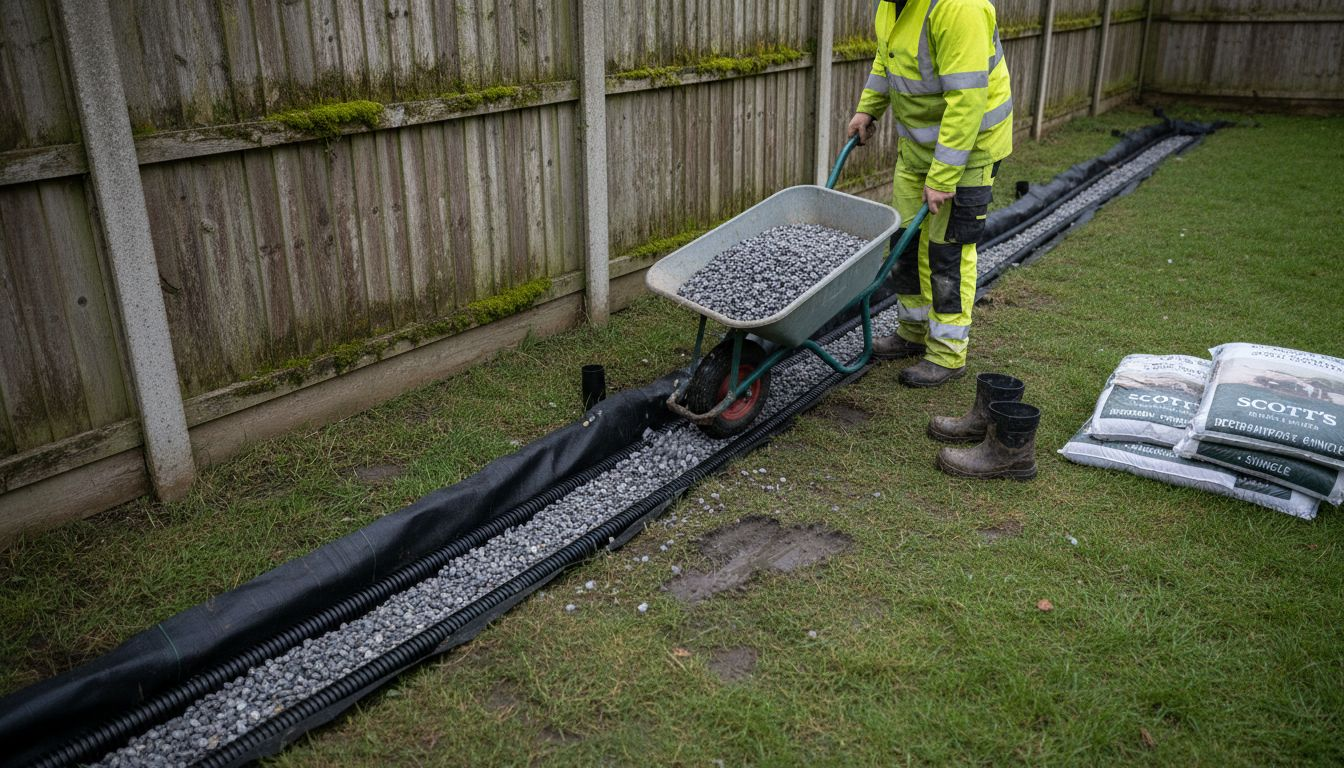
These systems reduce soil saturation by up to 80% in areas with high water tables, making them ideal for Portsmouth properties plagued by persistent dampness. Your basement stays dry, foundations remain stable, and gardens avoid waterlogging that kills plants and creates muddy messes. The installation blends seamlessly with existing landscaping since the entire system sits underground, preserving your property’s appearance whilst delivering serious drainage power.
Proper installation is crucial, including slope planning and maintenance to prevent clogging. The trench must slope consistently towards the outlet, typically one percent grade minimum. Insufficient slope creates low spots where silt accumulates and blocks flow. Outlet planning matters equally because water needs somewhere to go, whether that’s a storm drain, soakaway, or natural drainage course. Poor outlet design simply moves your flooding problem to a different location.
Pro Tip: Wrap your French drain pipe in filter fabric before surrounding it with gravel to block fine particles that cause clogging. This simple step dramatically extends system life and reduces maintenance needs.
- Trench depth typically ranges from 45-90 centimetres depending on water table
- Use 10-20 millimetre gravel for optimal drainage and filtration
- Install cleanout access points every 15 metres for maintenance
- Slope pipes at least 1 centimetre per metre towards outlet
- Protect pipes with landscape fabric to prevent soil infiltration
Understanding different drainage pipes explained for homeowners helps you select appropriate materials and sizes for your French drain installation.
Swales: natural surface drainage for managing runoff in Portsmouth landscapes
Swales are shallow vegetated channels that capture surface water and slow its movement across your property, allowing infiltration whilst directing excess flow to safe outlets. Unlike underground systems, swales slow and redirect surface water runoff, increasing infiltration and reducing runoff volume by 25-50% when properly designed. The gentle slope and planted vegetation create natural filtration that removes pollutants whilst recharging groundwater.
These surface drainage features work brilliantly for managing roof runoff, driveway flow, and hillside drainage where subsurface systems would prove impractical or expensive. Portsmouth properties with adequate space benefit from swales that double as attractive landscape features. Plant them with native grasses, sedges, or flowering perennials that tolerate both wet and dry conditions. The result looks intentional and beautiful rather than purely functional.
Design factors determine swale effectiveness more than any other variable. Slope affects water velocity, with 2-5% grades providing ideal balance between flow and infiltration. Steeper slopes move water too quickly for absorption, whilst flatter grades create standing water. Vegetation type matters because deep-rooted plants maintain soil structure and enhance infiltration, whilst shallow-rooted species offer less benefit. Soil composition influences how much water infiltrates versus flows through, with sandy soils absorbing readily and clay soils requiring wider, longer swales.
- Survey your property to identify natural drainage patterns and problem areas
- Mark the swale route following contours to intercept runoff before it causes damage
- Calculate required width and depth based on expected flow volumes and soil infiltration rates
- Excavate the channel with gentle side slopes (3:1 ratio minimum) for stability and maintenance access
- Amend soil if needed to improve infiltration in clay-heavy areas
- Plant appropriate vegetation immediately to prevent erosion and establish root systems
- Mulch bare soil until plants establish to protect against washout
- Monitor performance during first several storms and adjust as needed
Choose swales over subsurface drains when you have sufficient space, moderate slopes, and want visible water management that enhances landscaping. They cost less to install than French drains, require no specialised materials, and provide ecological benefits through habitat creation and water quality improvement. The comprehensive drainage system guide for homeowners explores when each system type works best for Portsmouth properties.
- Design swales with 2-5% longitudinal slope for optimal performance
- Make them at least 60 centimetres wide to handle typical residential runoff
- Plant deep-rooted native species that tolerate wet-dry cycles
- Add check dams on steeper slopes to slow flow and increase infiltration
- Connect multiple swales to manage large drainage areas effectively
Comparing drainage systems: French drains, swales, and other options
Portsmouth homeowners typically choose from several proven drainage system types, each with distinct advantages, limitations, and maintenance demands. Understanding these differences helps you match solutions to your specific site conditions, budget, and performance requirements. Under-design of main pipes and incorrect installation cause underperformance across all system types, making proper planning essential regardless of which option you select.
| System Type | Installation Cost | Complexity | Best For | Maintenance Frequency | Expected Lifespan |
| — | — | — | — | — |
| French Drain | £40-80/metre | Moderate | Groundwater, foundation protection | Annual inspection | 20-30 years |
| Swale | £15-30/metre | Low | Surface runoff, large areas | Seasonal vegetation care | 15-25 years |
| Channel Drain | £50-100/metre | Moderate | Paved areas, driveways | Quarterly cleaning | 25-35 years |
| Piped System | £60-120/metre | High | Comprehensive drainage | Every 2-3 years | 30-50 years |
Common failure causes include inadequate pipe sizing that cannot handle peak flows, incorrect slope installation that creates standing water, poor outlet planning that has nowhere for water to discharge, and lack of maintenance allowing debris accumulation. Many systems fail not from design flaws but from neglect. Leaves, silt, and roots gradually reduce capacity until the next major storm overwhelms the weakened system.
Maintenance extends system life and preserves performance across all drainage types. French drains need annual inspection of inlets, outlets, and cleanout access points. Flush pipes with high-pressure water to remove accumulated silt. Swales require seasonal vegetation management, including mowing or trimming plants and removing debris that blocks flow. Channel drains demand quarterly cleaning to remove leaves and sediment from grates and channels. Piped systems benefit from professional inspection every few years using camera equipment to identify developing problems.
Pro Tip: Consult drainage professionals familiar with Portsmouth’s specific flood risks and soil conditions before committing to a system type. Local expertise prevents expensive mistakes and ensures compliance with Portsmouth City Council requirements. Review rainwater drainage solutions for homeowners to understand how different approaches integrate with your property’s existing water management.
- Combine system types for comprehensive drainage coverage
- Size pipes and channels for 25-year storm events minimum
- Install cleanout access points at direction changes and every 15 metres
- Document system layout with photos and measurements for future reference
- Schedule professional inspections before and after wet seasons
Protect your Portsmouth property with expert drainage services
Knowing which drainage system suits your property is valuable, but professional installation and maintenance ensure your investment performs when storms test its limits. Specialists design systems that account for Portsmouth’s unique soil conditions, flood patterns, and council requirements, avoiding the common pitfalls that plague DIY installations.
Regular professional maintenance and emergency drain unblocking steps keep your drainage system functioning at peak capacity year after year. Experts use camera inspection technology to identify problems before they cause flooding, clear blockages that would overwhelm homeowner equipment, and repair damage that compromises system integrity. Local drainage professionals understand Portsmouth’s specific challenges, from coastal weather patterns to the city’s Surface Water Management Plan requirements. They navigate regulations, secure necessary approvals, and deliver installations that protect your property value whilst preventing costly flood damage. Explore comprehensive guides on drainage pipes explained guide and drainage system guide 2026 to deepen your understanding before consulting with specialists.
Frequently asked questions
What are the most common types of drainage systems used in Portsmouth?
French drains, swales, and traditional piped systems are the most common drainage types used across Portsmouth properties. French drains handle subsurface groundwater issues, swales manage surface runoff in landscaped areas, and piped systems provide comprehensive drainage for developed sites. Each suits different site conditions, soil types, and drainage challenges that Portsmouth homeowners face.
How often should a French drain be maintained to stay effective?
French drains typically require inspection and cleaning annually or immediately after major storms to remove accumulated silt and debris. Regular maintenance prevents clogging that reduces flow capacity and extends system lifespan beyond 20 years. Professional flushing with high-pressure water clears pipes more thoroughly than homeowner methods, ensuring peak performance during heavy rainfall.
When is installing a swale preferable to an underground drainage system?
Swales work best for managing surface runoff where you have adequate space, moderate land slopes between 2-5%, and want visible water management that enhances landscaping. They cost less to install than French drains, require no specialised piping materials, and offer ecological benefits through natural filtration and groundwater recharge. Properties with limited space or severe groundwater problems need subsurface solutions instead.
What should Portsmouth homeowners do if gutters or gullies overflow during heavy rain?
Check and clear gutters, downpipes, and gully grates of debris regularly, especially during autumn when leaves accumulate rapidly. Gullies can overflow during heavy rainfall and persistent issues should be reported to Portsmouth City Council’s helpdesk for assessment. Chronic overflow often indicates undersized drainage capacity requiring professional system upgrades to handle Portsmouth’s increasing rainfall intensity.