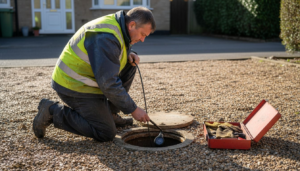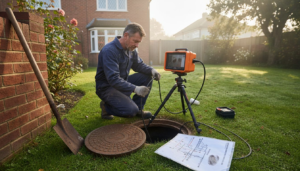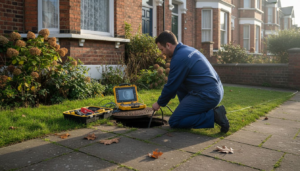
Blocked drains can disrupt daily life in Portsmouth, whether you are running a home or a small business. Ignoring that slow gurgle or rising water can lead to bigger headaches and costly repairs. With high-pressure water jetting managed by professional technicians, most blockages are cleared quickly and safely, protecting both your property and peace of mind. Discover how expert drain jetting delivers results that ordinary methods simply cannot match.
Table of Contents
- Drain Jetting Fundamentals And Common Misconceptions
- Modern Drain Jetting Types And Technologies
- Step-By-Step Drain Jetting Process
- Comparing Jetting To Other Drainage Solutions
- Safety Standards, Risks And Cost Implications
Key Takeaways
| Point | Details |
|---|---|
| Drain Jetting Effectiveness | Drain jetting is a highly effective method for clearing stubborn blockages, often completing the job in a single visit unlike traditional methods. |
| Professional Training Requirement | Operating drain jetting equipment requires professional training due to the risks associated with high-pressure water. |
| Environmental Safety | Jetting uses only water, making it an environmentally friendly option compared to chemical treatments. |
| Cost Considerations | While professional jetting may seem more expensive upfront, it significantly reduces the risk of repeat blockages and protects your plumbing long-term. |
Drain jetting fundamentals and common misconceptions
Drain jetting is a powerful method that uses high-pressure water jets to blast through blockages in your pipes. Think of it as a pressurised water cannon that forces debris out of the way.
At its core, drain jetting involves pumping water at extremely high pressure into your drainage system to clear obstructions. The force breaks down or flushes out grease, soap residue, tree roots, and other stubborn materials that regular plunging cannot shift.
Here’s why this matters for Portsmouth homeowners. Many blocked drains seem impossible to fix with standard methods, yet jetting clears them in hours, not days.
What Actually Happens Inside Your Pipes
When a technician jets your drains, the equipment uses pressurised water at velocities that destroy blockages from the inside. The water doesn’t just push the clog; it scours the pipe walls clean, removing buildup that could cause future problems.
The process works because:
- Water pressure reaches 3,000 to 4,000 PSI (pounds per square inch), far more force than any chemical treatment
- Multiple nozzles spray water in different directions, attacking clogs from every angle
- The force physically breaks down mineral deposits and grease accumulation
- Debris flows downstream naturally without chemical side effects
Common Misconceptions About Drain Jetting
Misconception 1: Drain jetting damages pipes. This is false. Professional technicians carefully control pressure settings to suit your pipe material and condition. Older systems receive lower pressures, whilst modern pipes handle standard settings without issue.
Misconception 2: It’s just a temporary fix. Proper jetting actually cleans pipes thoroughly, addressing the underlying problem rather than masking it. You’re removing the root cause, not pushing blockages further down.
Misconception 3: Anyone can do it at home. Absolutely not. Water jetting requires professional training to operate safely, and high-pressure equipment poses serious injury risks. Operators need certification and experience to diagnose what’s blocking your drains and choose appropriate pressure levels.
Misconception 4: It works on every blockage. Whilst versatile, jetting performs best on grease, soap, and mineral deposits. Tree root intrusions sometimes need additional treatments afterward.
Professional drain jetting solves most household blockages in a single visit, often restoring full drainage capacity when other methods fail completely.
The difference between DIY assumptions and professional reality is significant. Trained specialists have diagnostic equipment to identify problem areas before jetting, adjust pressure accordingly, and confirm the blockage is fully cleared. They understand how different pipe materials respond to water pressure and know when jetting alone isn’t the right solution.
Pro tip: Always request a CCTV inspection before jetting if you’re unsure what’s blocking your drains—technicians can then confirm jetting will work and prevent unnecessary treatments.
Modern drain jetting types and technologies
Drain jetting has evolved significantly over the past decade. What started as a brute-force water blast has transformed into a precision science with multiple equipment types designed for specific problems.
Today’s systems offer various types of equipment operating at different pressures, allowing technicians to match the solution precisely to your drainage issue. This flexibility means better results and lower risk of pipe damage.
Pressure Levels and Equipment Types
Modern jetting operates across a range of pressures, each suited to different blockage types. Understanding these helps explain why technicians ask specific questions about your drainage problem.
Common pressure categories include:
- Low-pressure jetting (500–1,500 PSI): Ideal for older or fragile pipes, gentle enough for clay and older cast iron systems
- Standard-pressure jetting (2,000–3,000 PSI): Works on most residential blockages, including grease and mineral deposits
- High-pressure jetting (3,500–4,000 PSI): Tackles stubborn tree roots and severe buildup in commercial or modern systems
Nozzle Technology and Specialisation
The nozzle attached to the jetting hose determines how water strikes the blockage. Different nozzles create vastly different cleaning patterns, making this choice critical.
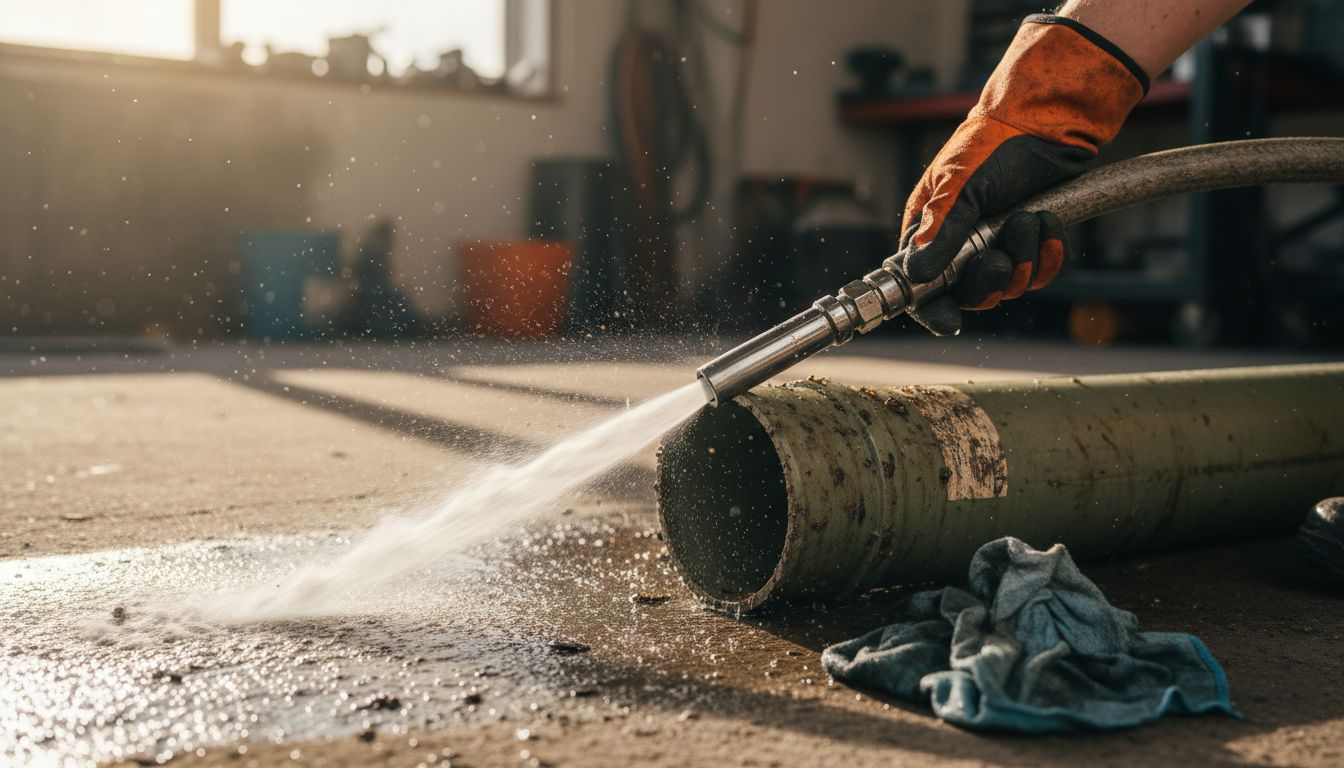
Specialised nozzles are designed for targeted cleaning of specific blockage types. A dome nozzle sprays water forward and backward, ideal for general cleaning. A rock nozzle concentrates force in one direction, perfect for piercing through tree roots. Rotary nozzles spin as water flows, scrubbing pipe walls thoroughly.
Your technician selects the nozzle based on what’s blocking your pipes—grease requires different treatment than roots.
Water Temperature Options
Jetting isn’t limited to cold water. Modern systems include both cold and hot water capabilities, each with distinct advantages.
Cold water works well on mineral deposits and tree roots. Hot water excels at breaking down grease and soap buildup because heat softens these materials before the pressure blast removes them. Some systems switch between temperatures during a single job, attacking different blockage layers.
Hose Reels and Maneuverability
Equipment design matters as much as pressure and nozzles. Modern hose reel systems allow technicians to navigate tight spaces and access drains from convenient locations without digging.
Modern drain jetting equipment combines precise pressure control, specialised nozzles, and flexible delivery systems to solve nearly any blockage quickly and safely.
These systems have improved significantly for residential properties. Compact designs fit through standard access points, whilst longer hoses reach deep blockages. Safety features prevent accidents that plagued older equipment.
The following table summarises modern drain jetting technologies and their specialised uses:
| Pressure Range | Typical Usage | Suitable Pipe Types | Nozzle Example |
|---|---|---|---|
| Low (500–1,500 PSI) | Gentle cleaning, fragile systems | Clay, old cast iron | Dome nozzle for general sweep |
| Standard (2,000–3,000 PSI) | Residential blockages | PVC, newer cast iron | Rotary nozzle for scrubbing |
| High (3,500–4,000 PSI) | Severe buildup, roots removal | Commercial, modern pipes | Rock nozzle for root cutting |
Pro tip: Ask your technician which nozzle type they’ll use and why—a good explanation shows they’re diagnosing your specific problem rather than applying a one-size-fits-all approach.
Step-by-step drain jetting process
Professional drain jetting follows a structured sequence that ensures your blockage gets cleared without damaging pipes. Understanding these steps shows why this isn’t a five-minute fix but rather a methodical process.
The process begins with thorough assessment. Technicians inspect your drain system and check upstream and downstream access points to understand flow patterns and identify blockage severity. This initial inspection determines the entire approach.
Initial Inspection and Diagnosis
CCTV cameras are often used to gather information about pipe condition before jetting. A small waterproof camera travels through your pipes, revealing exactly where the blockage sits and what material caused it.
This inspection reveals critical details:
- Blockage location and severity
- Pipe material and age
- Signs of existing damage or deterioration
- Root intrusion or mineral buildup patterns
Without this information, technicians cannot safely select appropriate pressure levels or nozzles. Guessing could rupture older pipes.
Nozzle Selection and Setup
Once diagnosis is complete, technicians select the correct nozzle and pressure setting. Selection of the appropriate nozzle is critical and depends on blockage material and pipe size.
The hose reel is positioned for safe access to the drain. Equipment is checked for leaks, pressure stability, and safety features. This preparation prevents accidents and ensures consistent water flow.
Jetting Application
Jetting begins carefully. Operators introduce the nozzle into the pipe and apply water pressure gradually, avoiding sudden shocks that might damage pipe walls. Pressure increases progressively as the blockage breaks down.
The water jet blasts away or breaks down blockages, restoring flow. Modern operational procedures emphasise safety and minimising worker exposure to direct water jets. Operators wear appropriate protective equipment and position themselves safely throughout the process.
Post-Jetting Inspection and Verification
Work doesn’t end when water flows again. Post-operation inspections ensure the blockage is completely cleared and the pipe remains intact.
Technicians often run a second CCTV camera through to confirm:
- Complete blockage removal
- No new pipe damage
- Pipe walls are clean
- Flow is fully restored
Professional drain jetting is methodical because each step protects your pipes whilst ensuring thorough blockage removal.
This final verification gives you confidence the problem is solved, not just temporarily masked.
Pro tip: Request a before-and-after CCTV report from your technician—seeing the pipe before and after jetting proves the blockage is gone and your pipes are undamaged.
Comparing jetting to other drainage solutions
When your drains block, you have choices. Drain jetting isn’t the only option available, but understanding how it stacks against alternatives shows why it’s often the best solution for Portsmouth homeowners.
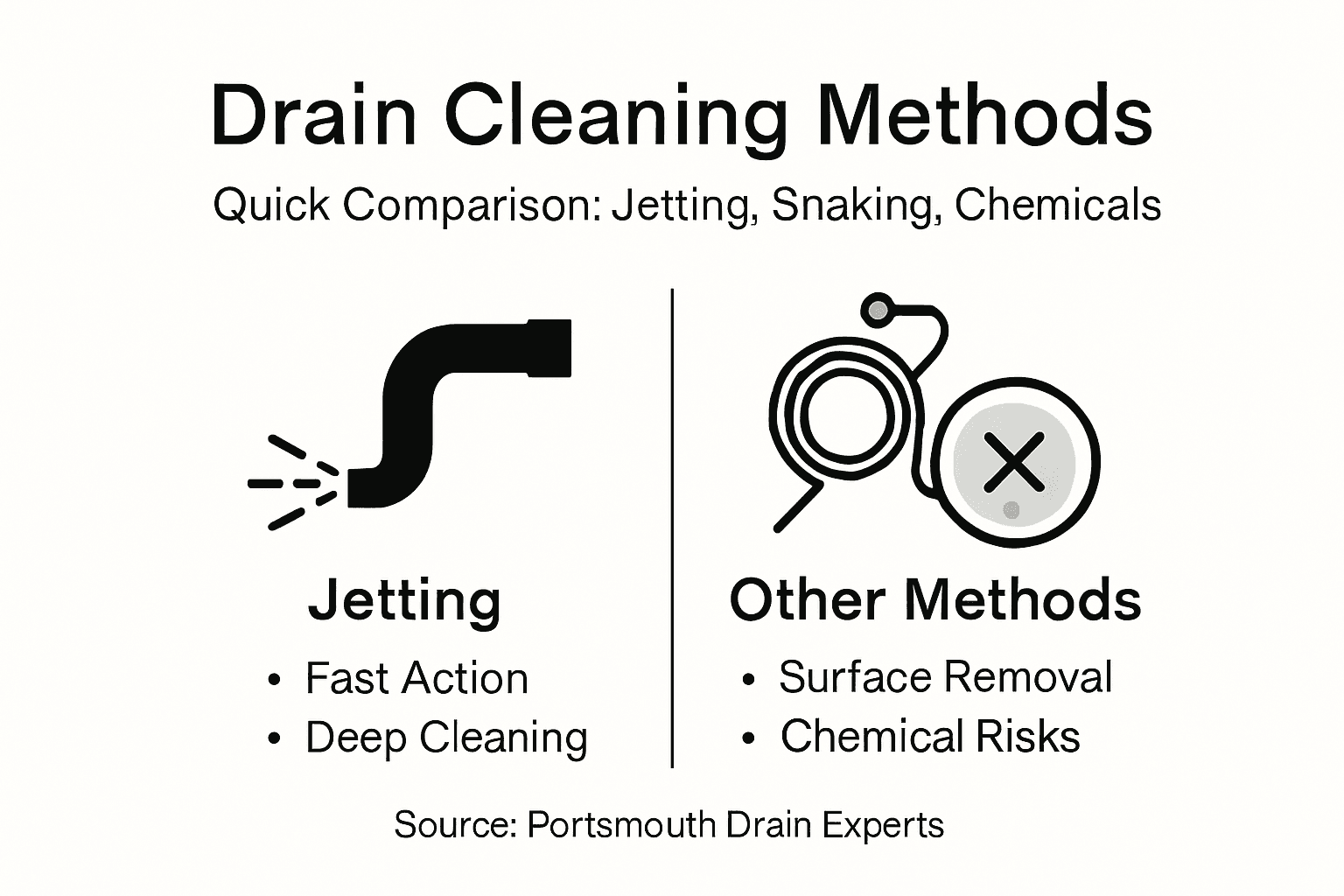
Think of drainage solutions as different tools for different jobs. Some work quickly; others take longer. Some risk your pipes; others protect them. Let’s compare what’s actually available.
Drain Snaking
Drain snaking is the traditional method that’s been around for decades. A flexible metal cable with a corkscrew head feeds into your drain, physically breaking up the blockage or pulling it out.
Snaking has real limitations:
- Takes significantly longer than jetting
- Less effective against grease buildup and tree roots
- Only punctures through blockages rather than cleaning pipes thoroughly
- Often leaves residual debris that causes repeat blockages
- Doesn’t address biofilm accumulation on pipe walls
It works reasonably well on hair clogs or minor obstructions, but for stubborn blockages, snaking simply can’t compete with jetting’s power.
Here’s a concise comparison of common drain unblocking methods and their suitability for Portsmouth homes:
| Method | Blockage Types Handled | Pipe Safety | Environmental Impact |
|---|---|---|---|
| Drain Jetting | Grease, roots, minerals | High when professional | Uses water only, eco-friendly |
| Drain Snaking | Hair, minor clogs | May scratch pipes | No chemicals used |
| Chemical Treatment | Soap, organic debris (limited) | Risk to old pipes | Harms beneficial bacteria |
Chemical Drain Treatments
Bottled drain cleaners promise quick fixes. Pour chemicals down, wait, and the blockage dissolves. The reality is messier.
Chemical solutions pose environmental and health risks that make them problematic for residential use. These treatments can damage old pipes, harm beneficial bacteria in septic systems, and create dangerous fumes.
Chemicals also don’t work on tree roots or stubborn mineral deposits. They dissolve some materials but leave structural problems unaddressed.
Jetting’s Clear Advantages
Sewer jetting offers thorough cleaning by physically removing blockages and biofilm buildup inside pipes rather than merely puncturing or dissolving obstructions. The high-pressure water doesn’t just push debris—it scours your entire pipe interior.
Jetting advantages over other methods:
- Handles grease, roots, mineral deposits, and soap buildup equally well
- Cleans entire pipe walls, reducing future blockage risk
- Completes most jobs in a single visit
- Reduces pipe damage risk when operated by professionals
- Works on both residential and commercial systems
- Environmentally safe—just water, no chemicals
Cost and Time Comparison
Upfront costs matter, but so does whether the problem actually stays fixed. A cheaper snake that doesn’t fully clear your drains means repeat visits and mounting frustration.
Jetting costs slightly more initially but eliminates repeat blockages far more often. You pay once and the problem stays solved, whereas snaking frequently requires callbacks within weeks or months.
Professional drain jetting solves blockages comprehensively whilst protecting your pipes—something other methods simply cannot guarantee.
For Portsmouth homes with persistent drainage issues, jetting represents genuine value because it addresses root causes rather than masking symptoms.
Pro tip: If you’ve had repeat blockages with snaking or chemicals, jetting should be your next choice—it’s specifically designed to solve problems that other methods cannot.
Safety standards, risks and cost implications
Drain jetting involves high-pressure water that can cause serious injury if mishandled. Understanding the safety standards, real risks, and cost factors helps explain why professional technicians matter and why DIY attempts are genuinely dangerous.
This isn’t exaggeration. High-pressure water causes injuries that require immediate medical attention and can result in permanent damage. Proper safety protocols exist because the risks are serious.
The Real Dangers of High-Pressure Water
High-pressure waterjetting poses severe fluid injection injuries that demand immediate medical intervention. These aren’t minor cuts or bruises—water pressurised to 3,000–4,000 PSI can penetrate skin and inject fluid directly into tissue or bloodstream.
Specific hazards include:
- Direct contact with pressurised water streams
- Equipment failure causing uncontrolled discharge
- Burst hoses spraying water unexpectedly
- Ricochet from blockages hitting operators or bystanders
- Noise-related hearing damage from sustained operation
One moment of inattention or equipment malfunction can cause lifelong consequences. This is why certification and training exist.
Professional Safety Standards
Safety measures include specialised training for water jetting teams, certified personal protective equipment, regular equipment inspection, and emergency protocols. These aren’t optional suggestions—they’re industry requirements.
Professional operators follow structured safety procedures:
- Comprehensive equipment inspection before every job
- Certified PPE including face shields, body protection, and foot guards
- Continuous training on hazard identification
- Clear exclusion zones keeping bystanders away
- Emergency protocols for accidents
- Regular equipment maintenance records
These standards reduce accidents dramatically. Proper training costs money, but accidents cost far more.
Cost Considerations
Professional drain jetting costs between £150 and £400 for most Portsmouth residential jobs, depending on blockage severity and location. This includes equipment, trained operators, insurance, and safety protocols.
DIY equipment rental costs £40–£80 per day, but you’re paying only for machinery, not expertise. One mistake can cost thousands in emergency room visits, pipe damage, or property injury claims.
Adherence to safety standards helps prevent expensive accidents and liability claims, making proper safety protocols cost-effective in the long term. Insurance companies won’t cover self-inflicted injuries from unsafe jetting practices.
Why Professional Service Protects You
Certified technicians carry public liability insurance covering accidental damage to your property. If something goes wrong, you’re protected. DIY operators have no such protection.
Professionals also understand when jetting isn’t appropriate. They diagnose pipe condition first, avoiding high-pressure water on pipes that cannot tolerate it.
Professional drain jetting costs more upfront because it includes trained operators, certified equipment, insurance, and safety protocols that protect you completely.
The investment in professional service protects your home, your safety, and your legal standing if anything goes wrong.
Pro tip: Always verify that your drain jetting technician is certified, insured, and carries public liability coverage—these credentials guarantee they understand safety standards and can accept responsibility if problems occur.
Fast and Safe Drain Jetting Solutions in Portsmouth
Struggling with persistent drain blockages that traditional methods cannot fix? Our expert team specialises in professional drain jetting, the most effective and safe way to remove grease, tree roots, and stubborn debris from your pipes without causing damage. Using the latest high-pressure water jetting technology and certified techniques, we ensure thorough cleaning and long-lasting relief for Portsmouth homes.
Don’t risk costly pipe damage or injury by attempting DIY jetting. Contact Blocked Drains Portsmouth today for a comprehensive drain inspection, precise nozzle selection, and meticulous clearing process that restores your drainage system quickly. Act now to benefit from professional safety standards and reliable blockage removal. Visit our professional drain unblocking services page to learn more and schedule your expert drain jetting service.
Frequently Asked Questions
What is drain jetting?
Drain jetting is a method that uses high-pressure water jets to clear blockages in pipes, efficiently removing debris like grease, soap, and tree roots that standard methods cannot shift.
How does the drain jetting process work?
The process involves pumping water at high pressure, typically between 3,000 to 4,000 PSI, into the drainage system. This force breaks down and flushes out obstructions while cleaning the pipe walls to prevent future issues.
Is drain jetting safe for all types of pipes?
Yes, when performed by professional technicians who adjust the pressure according to the pipe material and condition, drain jetting is safe for various pipe types, including modern PVC and older cast iron systems.
What are the advantages of drain jetting compared to traditional methods like snaking?
Drain jetting provides a thorough clean by removing blockages entirely and scouring the pipe walls, reducing the risk of future blockages. In contrast, snaking only breaks up clogs and can leave behind debris, potentially causing repeated issues.
Recommended
- Guide to Drain Jetting for Effective Unblocking Solutions
- Routine Drain Cleaning Guide for Clear Home Drains
- How to Unblock Drains for Homeowners in Portsmouth
- Drain Unblocking – How it Impacts Portsmouth Homes
- Why Clear Appliance Drainage Matters for Homeowners – MDTECH APPLIANCE REPAIR
- What Is Garden Drainage and Its Role in London Homes
- Role of Drainage in HVAC – Preventing Home System Failures