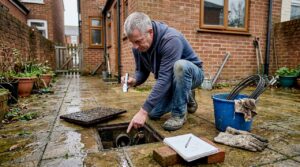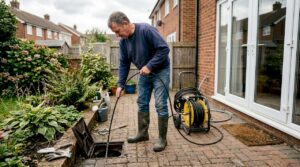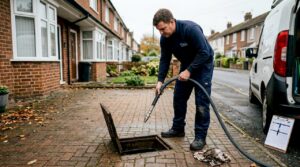
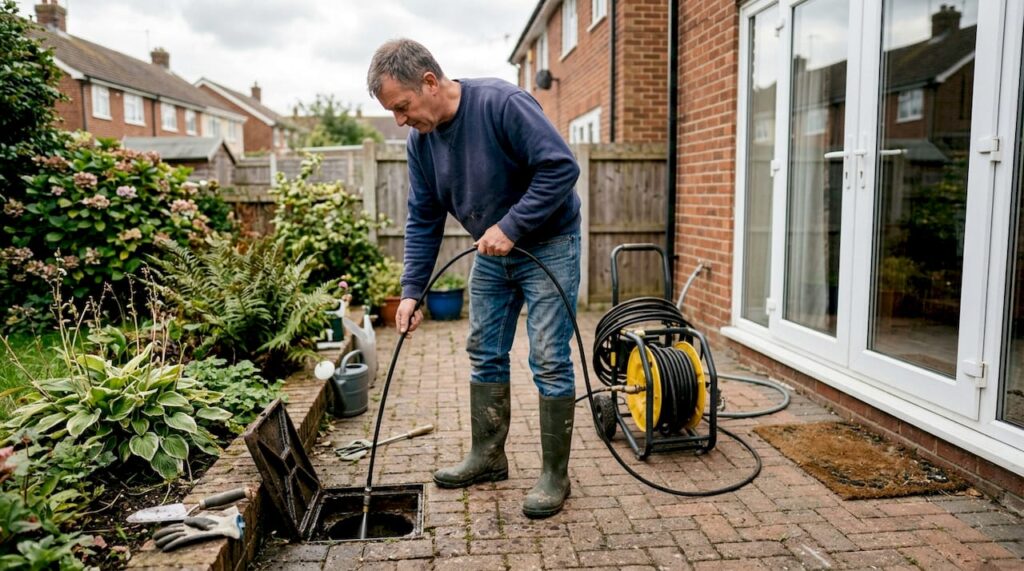
Blocked drains create frustrating disruptions for Portsmouth homeowners, from slow-draining sinks to unpleasant odours and potential water damage. When traditional methods fail to clear stubborn blockages, professional drain jetting offers a powerful solution using high-pressure water to restore proper drainage quickly. This comprehensive guide walks you through the entire drain jetting process, explaining how this effective technique works, what preparation is required, and how to verify successful results. Whether you’re considering professional services or want to understand the process better, you’ll gain practical knowledge about this proven unblocking method.
Table of Contents
- Key takeaways
- Understanding drain jetting and its benefits
- Preparing for drain jetting: what you need
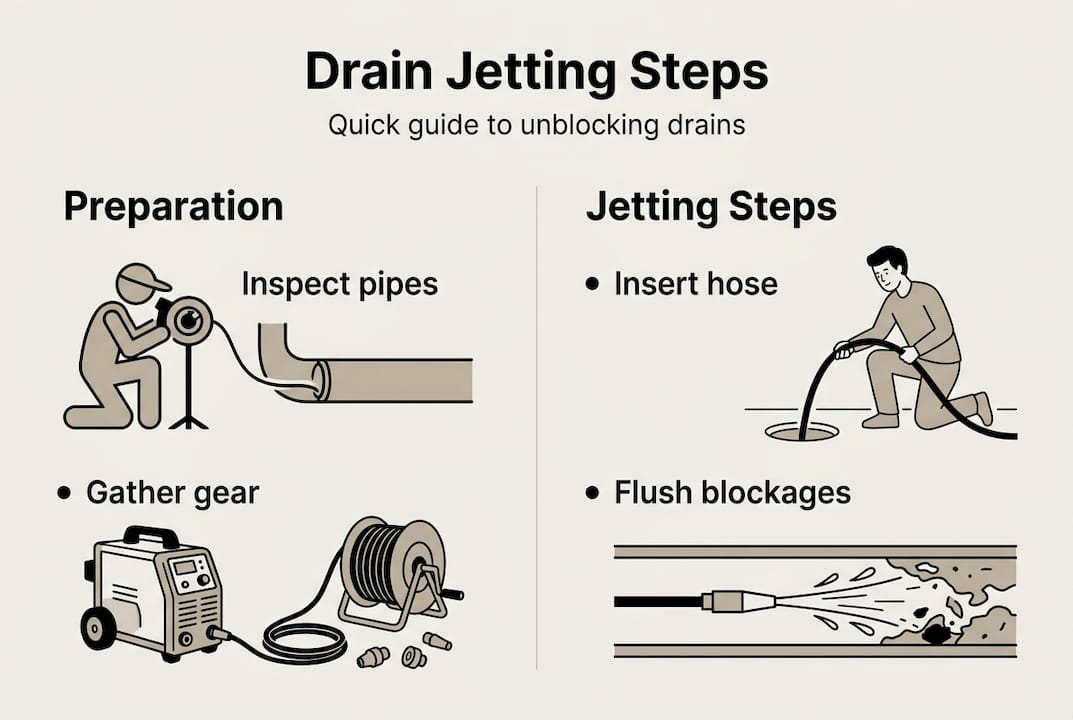
- Step-by-step drain jetting procedure
- Verifying results and troubleshooting common problems
- Blocked Drains Portsmouth: professional drain jetting services
- FAQ
Key Takeaways
| Point | Details |
|---|---|
| What drain jetting does | Drain jetting uses high pressure water to clear blockages and thoroughly clean pipe interiors. |
| Benefits for homes | Jetting clears obstructions and removes grease, reduces odours and helps prevent future blockages through thorough pipe cleaning. |
| Preparation and safety | Thorough preparation with protective equipment and clear safety procedures reduces risks and improves outcomes. |
| Equipment and pressures | Residential jetting typically uses 1,500 to 3,000 PSI with hoses up to 100 metres. |
Understanding drain jetting and its benefits
Drain jetting represents one of the most effective methods for clearing stubborn blockages in residential drainage systems. This technique involves directing high-pressure water to remove blockages and clean pipe interiors thoroughly, eliminating everything from grease buildup to tree root intrusions. Unlike chemical drain cleaners that only partially dissolve blockages or mechanical rods that push debris aside, jetting completely removes obstructions whilst simultaneously cleaning pipe walls.
Portsmouth homeowners benefit significantly from this approach because local drainage systems frequently encounter specific challenges. Older properties often have clay pipes susceptible to root penetration, whilst modern homes may experience grease accumulation from kitchen waste. The pressurised water stream adapts to various blockage types, making it versatile for different situations. Professional jetting equipment generates water pressure ranging from 1,500 to 4,000 PSI, powerful enough to cut through years of accumulated debris.
The advantages extend beyond immediate unblocking. Jetting thoroughly cleans pipe interiors, reducing bacterial growth that causes foul odours. This comprehensive cleaning also helps prevent rapid re-blocking, a common problem with less thorough methods. For Portsmouth properties near the coast, jetting effectively removes salt deposits and mineral buildup that accumulate over time. The process is environmentally friendly, using only water without harsh chemicals that could damage pipes or contaminate groundwater.
Pro Tip: Schedule drain jetting during dry weather when possible. This allows better assessment of drainage flow after jetting and prevents rainwater from interfering with verification tests.
Common applications in Portsmouth homes include:
- Kitchen drains affected by grease and food particle buildup
- Bathroom drains blocked by hair, soap scum, and toiletry residue
- Main sewer lines compromised by tree root intrusion
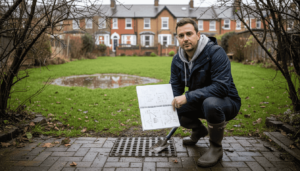
- Outdoor drains clogged with leaves, mud, and garden debris
- Storm drains experiencing reduced capacity from sediment accumulation
The guide to drain jetting for unblocking demonstrates how this method consistently outperforms alternatives. Property owners appreciate the long-lasting results compared to temporary fixes that require repeated interventions. Understanding these benefits helps you recognise when jetting is the appropriate solution for your drainage problems.
Preparing for drain jetting: what you need
Successful drain jetting begins with thorough preparation and proper equipment. Professional-grade jetting machines vary in power output, but residential applications typically require units generating 1,500 to 3,000 PSI. The machine connects to a specialised high-pressure hose, usually 30 to 100 metres long, allowing access to distant blockages. Different nozzle types serve specific purposes: penetrating nozzles break through solid blockages, whilst flushing nozzles clean pipe walls after the main obstruction clears.
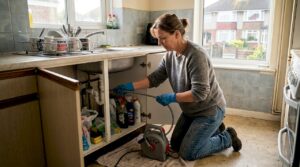
Proper safety and preparation reduce risks and ensure efficient results. Personal protective equipment is non-negotiable. Heavy-duty waterproof gloves protect hands from high-pressure spray and contaminated water. Safety goggles shield eyes from debris that may spray back during jetting. Waterproof clothing and steel-toed boots provide additional protection, especially important when working with pressurised equipment that could cause injury if mishandled.
Before beginning, assess your drainage system’s condition. Older pipes, particularly those showing signs of deterioration or previous damage, may not withstand high-pressure jetting. Inspect accessible pipe sections for cracks, corrosion, or weak joints. If uncertainty exists about pipe integrity, consider having a CCTV drain survey conducted first. This precaution prevents causing additional damage that would require costly repairs.
| Equipment | Purpose | Safety consideration |
|---|---|---|
| Jetting machine | Generates high-pressure water flow | Ensure proper electrical grounding and stable positioning |
| High-pressure hose | Delivers water to blockage site | Check for wear, kinks, or damage before use |
| Nozzle set | Directs water for specific blockage types | Match nozzle to pipe diameter and blockage severity |
| Protective gloves | Shields hands from pressure and contamination | Use heavy-duty waterproof material rated for pressure work |
| Safety goggles | Protects eyes from spray and debris | Ensure tight seal and impact-resistant lenses |
| Waterproof clothing | Keeps body dry during operation | Choose durable material that allows movement |
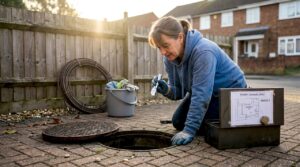
Prepare the work area by clearing access to drain entry points. Remove drain covers carefully, noting their orientation for proper replacement. Have buckets and absorbent materials ready to manage water overflow during the jetting process. Ensure adequate lighting, especially for outdoor or basement work. If working near electrical outlets or appliances, verify that power sources are protected from water exposure.
Pro Tip: Mark your hose in metre increments using waterproof tape. This helps track how far you’ve inserted the hose and estimate the blockage location based on when resistance increases.
Essential preparation steps include:
- Locating and mapping all drain access points throughout your property
- Testing water supply to ensure adequate pressure and flow for the jetting machine
- Identifying the likely blockage location based on which fixtures drain slowly
- Checking weather forecasts to avoid working during heavy rain
- Notifying household members to avoid using plumbing during the procedure
The drain jetting fast relief blocked drains resource emphasises that proper preparation accounts for half the success in any jetting operation. Rushing this phase increases risks and reduces effectiveness, potentially requiring multiple attempts to clear blockages that proper preparation would have resolved in one session.
Step-by-step drain jetting procedure
Executing drain jetting effectively requires following a systematic approach that ensures thorough cleaning whilst protecting your drainage system. Begin by conducting a preliminary assessment of the blockage. Run water through affected fixtures to observe drainage speed and identify which drains are compromised. This helps pinpoint whether you’re dealing with a localised blockage in a single pipe or a main line obstruction affecting multiple fixtures.
Position your jetting machine on stable, level ground near the access point you’ll use. Connect the machine to a suitable water supply, ensuring adequate flow rate to maintain consistent pressure. Most residential jetting requires a minimum flow rate of 15 litres per minute. Attach the appropriate nozzle to your high-pressure hose, selecting based on the blockage type you’ve identified. For initial penetration of solid blockages, use a forward-facing nozzle that concentrates water pressure ahead of the hose.
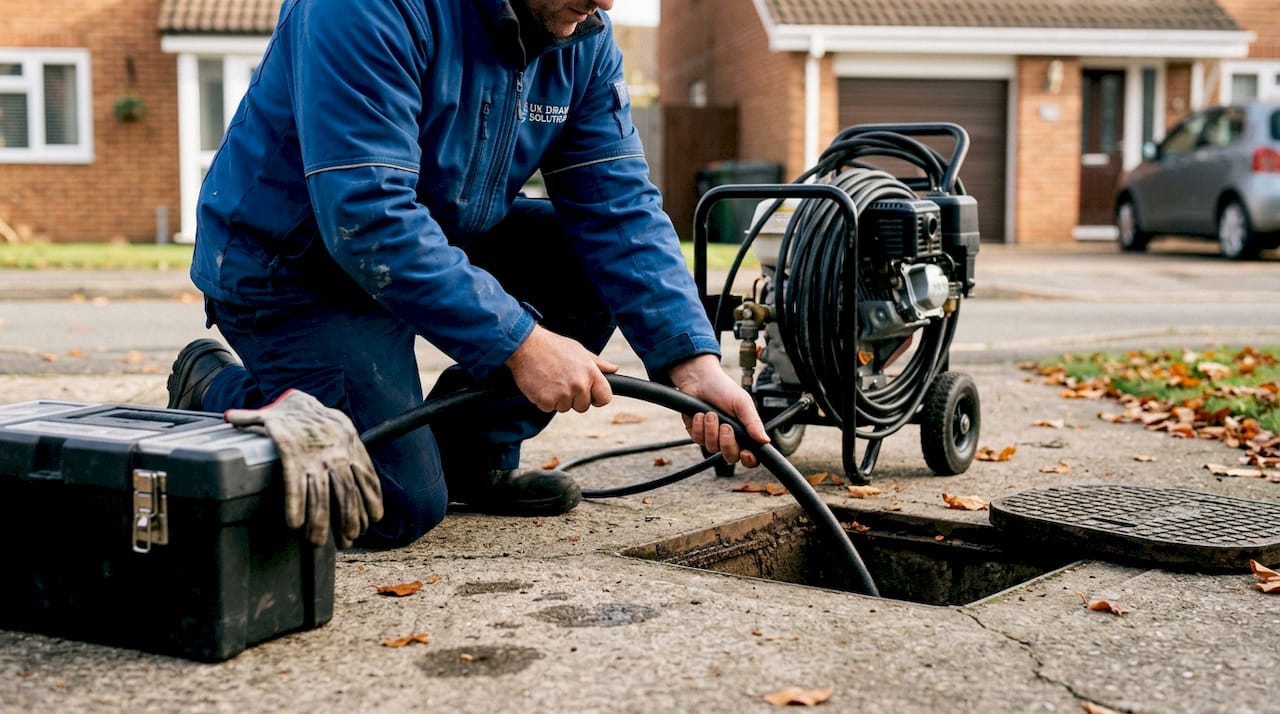
Following a precise step-by-step process improves outcomes significantly. Insert the hose into the drain access point slowly, feeding it gently without forcing. The hose should move freely; if you encounter significant resistance, you’ve likely reached the blockage. At this point, start the jetting machine at a lower pressure setting initially, gradually increasing to full operating pressure as the blockage begins to break apart.
Detailed procedure:
- Insert the jetting hose through the drain access point, advancing slowly until meeting resistance from the blockage.
- Activate the jetting machine, starting at 50% pressure to test pipe tolerance and initial blockage response.
- Hold the hose steady for 10 to 15 seconds, allowing the pressurised water to begin breaking apart the obstruction.
- Gradually increase pressure to full operating capacity as the blockage starts yielding.
- Advance the hose slowly as the blockage clears, maintaining steady water pressure throughout.
- Once past the initial blockage, continue feeding the hose to the full length of the affected pipe section.
- Slowly withdraw the hose whilst maintaining water pressure, allowing rear-facing nozzle jets to clean pipe walls.
- Repeat the insertion and withdrawal process two to three times to ensure thorough cleaning.
- Switch to a flushing nozzle for a final pass, removing any remaining debris loosened during initial jetting.
- Shut down the machine and carefully remove the hose, checking for debris on the nozzle that indicates blockage composition.
Warning: Never point the jetting nozzle towards yourself or others. The extreme water pressure can cause serious injury, including deep cuts and injection injuries that require immediate medical attention.
Maintain awareness of hose behaviour during operation. If the hose suddenly moves freely after encountering resistance, you’ve likely cleared the main blockage. However, continue the full procedure to ensure complete cleaning rather than just creating a small channel through the obstruction. This thoroughness prevents rapid re-blocking that occurs when debris remains clinging to pipe walls.
Monitor water flow from the drain during jetting. Initially, you may see contaminated water backing up, which is normal as dislodged debris moves towards the outlet. As jetting progresses, this flow should become clearer, indicating successful clearing. If water continues backing up without improvement after several minutes of jetting, you may need to reassess your approach or consider that the blockage is more severe than initially estimated.
Verifying results and troubleshooting common problems
After completing the jetting procedure, thorough verification ensures the blockage has been completely cleared and your drainage system functions properly. Begin by running water through all affected fixtures simultaneously, testing the system under realistic load conditions. Observe drainage speed, listening for gurgling sounds that might indicate remaining restrictions. Water should flow smoothly without hesitation, and drain openings should create a strong vortex as water exits.
Conduct a visual inspection of accessible pipe sections and drain outlets. Look for debris that may have been pushed to outlet points, indicating successful clearing. Check for any signs of damage that might have occurred during jetting, though proper technique should prevent this. If you notice cracks or displaced joints, document these for repair before they cause future problems.
Regular checks and recognising symptoms help maintain optimal drainage performance. Test each fixture individually after the combined test, ensuring that improvements extend throughout the system. Fill sinks and bathtubs to capacity, then release the water whilst timing how long complete drainage takes. Compare these times to typical performance standards: kitchen sinks should drain completely in 30 to 40 seconds, whilst bathtubs may take 2 to 3 minutes depending on capacity.
Common issues and solutions:
- Slow drainage persists: The blockage may extend further than initially estimated, requiring additional jetting passes or investigation of downstream sections.
- Water backs up during testing: Secondary blockages might exist in branch lines, or the main blockage was only partially cleared.
- Gurgling sounds continue: Air pockets trapped in the system usually resolve within 24 hours, but persistent gurgling suggests venting issues or remaining restrictions.
- Unpleasant odours remain: Bacterial buildup on pipe walls may require additional cleaning passes or enzymatic treatments to eliminate completely.
| Problem | Quick solution | Professional solution |
|---|---|---|
| Partial blockage remains | Repeat jetting with higher pressure and different nozzle | CCTV survey to identify blockage composition and location |
| Rapid re-blocking occurs | Increase jetting frequency and address root causes | Pipe relining or replacement for structural issues |
| Multiple fixtures affected | Jet main sewer line rather than individual branches | Comprehensive system assessment and cleaning |
| Persistent slow drainage | Check for venting problems or downstream restrictions | Hydrostatic testing to identify hidden leaks or collapses |
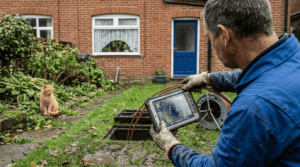
If verification tests reveal ongoing problems despite thorough jetting, several factors might be responsible. Structural pipe damage, such as collapsed sections or severe root intrusion, may require more extensive intervention than jetting alone provides. Scale buildup in older pipes sometimes resists even high-pressure water, necessitating mechanical descaling before jetting can be fully effective. In these situations, professional assessment with specialised equipment like drain cameras helps identify the underlying issue.
Document your jetting results, noting the date, blockage location, and any observations about debris composition or drainage improvement. This record helps establish a maintenance schedule and provides valuable information if professional services become necessary. Most Portsmouth homes benefit from routine jetting every 18 to 24 months, though properties with large trees nearby or older drainage systems may require more frequent attention.
Pro Tip: Pour a bucket of hot water mixed with biological drain cleaner down your drains one week after jetting. This helps eliminate any remaining bacterial film and keeps pipes fresh between jetting sessions.
Blocked Drains Portsmouth: professional drain jetting services
Whilst understanding the drain jetting process empowers you to recognise quality service and maintain your drainage system, professional expertise ensures optimal results without risk to your property. Blocked Drains Portsmouth specialises in comprehensive drain jetting services tailored specifically for local homes, combining advanced equipment with extensive knowledge of Portsmouth’s unique drainage challenges. Our technicians handle everything from routine maintenance jetting to emergency drain unblocking situations that require immediate attention.
We use commercial-grade jetting equipment capable of handling the most stubborn blockages whilst protecting your pipes from damage. Our service includes pre-jetting CCTV surveys to identify blockage locations and pipe conditions accurately, ensuring we apply the right pressure and technique for your specific situation. This diagnostic approach prevents unnecessary work and provides you with clear documentation of your drainage system’s condition. Whether you need a one-time clearance or want to establish a preventative maintenance schedule, our flexible guide to drain jetting for unblocking services adapt to your requirements and budget. Contact Blocked Drains Portsmouth today for expert drainage solutions that restore proper flow and protect your property from water damage.
FAQ
How often should I schedule drain jetting for my home?
Most Portsmouth homes benefit from professional drain jetting every 18 to 24 months as part of regular maintenance. Properties with mature trees, older drainage systems, or large households may require more frequent service, typically annually. Regular drain cleaning prevents major blockages from developing and extends your drainage system’s lifespan significantly.
Can I perform drain jetting myself or should I hire a professional?
Whilst DIY drain jetting is possible with rented equipment, it carries risks including pipe damage from excessive pressure, personal injury from high-pressure spray, and incomplete clearing if technique is incorrect. Professional services provide proper assessment, appropriate pressure settings, and guaranteed results. For complex blockages or valuable property, emergency drain unblocking by experienced technicians offers safer, more reliable outcomes.
What are the signs that drain jetting is needed immediately?
Watch for multiple slow-draining fixtures, persistent foul odours from drains, gurgling sounds when using plumbing, water backing up in unexpected locations, and visible sewage around outdoor drains. These symptoms indicate significant blockages requiring prompt attention. Understanding why blocked drains occur helps you recognise warning signs before they escalate into emergencies.
Does drain jetting damage pipes or cause leaks?
Properly performed drain jetting with appropriate pressure settings does not damage healthy pipes. However, pipes already weakened by age, corrosion, or previous damage may fail during jetting, revealing pre-existing problems rather than causing new ones. Professional services include pre-jetting assessments to identify vulnerable pipes and adjust techniques accordingly, protecting your drainage system whilst achieving effective clearing.
How long does professional drain jetting take to complete?
Typical residential drain jetting takes 1 to 3 hours depending on blockage severity, affected pipe length, and whether multiple access points require attention. Simple kitchen or bathroom drain clearing may complete in under an hour, whilst comprehensive main sewer line jetting with verification testing takes longer. Emergency services prioritise rapid response, often arriving within 2 hours and resolving most blockages the same day.
Recommended
- Guide to Drain Jetting for Effective Unblocking Solutions
- Routine Drain Cleaning Guide for Clear Home Drains
- Drain Jetting Explained: Fast Relief for Blocked Drains
- The role of drain jetting in blockage removal 2026
- Soft Washing Process Explained: A Step-by-Step Guide for Safety – white-diamond-pressure