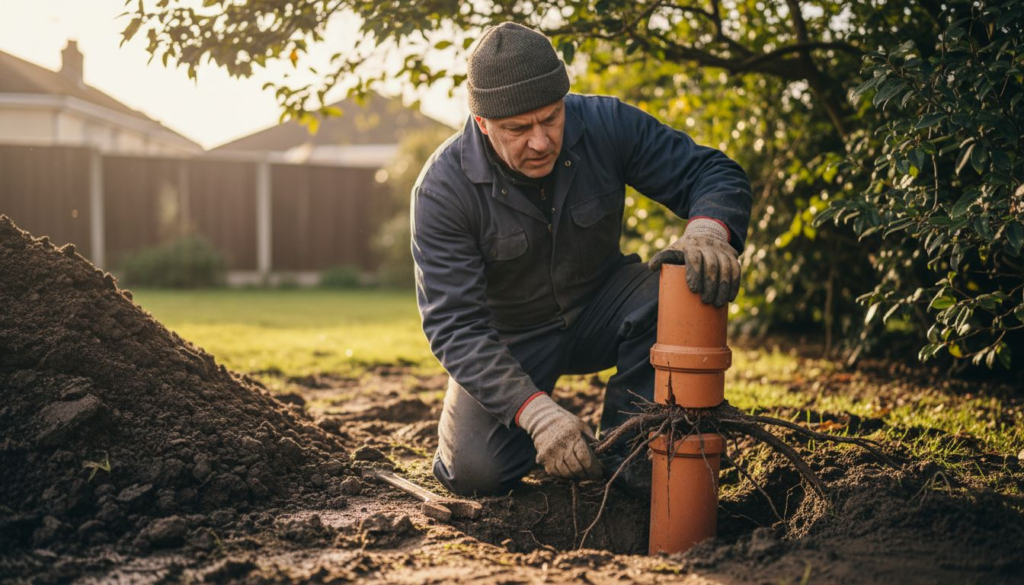
Tree root infiltration causes frustrating and expensive drainage blockages for Portsmouth homeowners. Research shows that 85% of residential drain blockages stem from root infiltration through pipe joints or cracks. This guide explains how roots invade drainage systems, how to spot warning signs early, and which treatment and prevention strategies work best to protect your home from costly repairs.
Table of Contents
- Understanding How Tree Roots Affect Drainage
- Recognizing Signs of Root-Induced Drain Problems
- Common Misconceptions About Tree Root Drain Damage
- Prevention Strategies for Tree Root Drain Damage
- Available Treatments and Their Effectiveness
- Local Context of Tree Root Drain Issues in Portsmouth
- Case Studies and Real-World Examples
- Professional Drainage Solutions for Root Problems in Portsmouth
Key Takeaways
| Point | Details |
|---|---|
| Root Entry Mechanism | Roots exploit cracks and joints as tiny as 0.5 mm, drawn by moisture inside pipes. |
| Warning Signs | Slow drainage, gurgling sounds, foul odors, and soggy garden patches indicate root blockages. |
| Treatment Effectiveness | High-pressure jetting clears 90% of roots immediately; combining with chemicals prevents 70% regrowth. |
| Portsmouth Risk Factors | Historic clay pipes common locally increase vulnerability to root damage. |
| Prevention Strategy | Modern PVC pipes with sealed joints, strategic tree placement, and routine inspections minimize risk. |
Understanding How Tree Roots Affect Drainage
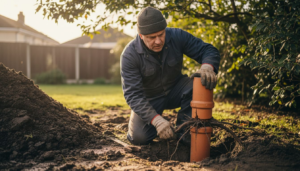
Tree roots naturally grow toward water and nutrient sources. Drainage pipes provide both, making them attractive targets for root systems seeking moisture. Even microscopic cracks as small as 0.5 mm offer entry points where roots can penetrate.
Once inside, roots expand rapidly within the pipe environment. The warm, moist interior creates ideal growing conditions. What begins as hair-thin rootlets quickly develops into thick masses that trap debris and restrict water flow.
Older clay pipes face particular vulnerability because their joints weren’t sealed with modern materials. The gaps between pipe sections act as invitation points. Portsmouth’s housing stock includes many properties with aging clay systems that increase infiltration risks. Understanding your pipe material helps assess your vulnerability level. Homeowners with older systems should consider drain repair and replacement options before blockages become severe.
Key vulnerability factors include:
- Pipe material: Clay and concrete joints separate over time, creating gaps
- Pipe age: Systems over 30 years old show increased joint failures
- Soil conditions: Moisture-rich soil encourages aggressive root growth near pipes
- Tree proximity: Root systems within 10 meters pose highest infiltration risk
Recognizing Signs of Root-Induced Drain Problems
Early detection prevents minor blockages from escalating into major repairs. Your drainage system sends clear signals when roots begin causing problems. Paying attention to these warnings saves money and protects your property.
Slow drainage represents the most common early indicator. Water backing up in sinks, showers, or toilets suggests restricted flow somewhere in the system. When multiple fixtures drain slowly simultaneously, roots likely block the main drain line rather than individual fixture traps.
Gurgling sounds during drainage indicate air displacement caused by partial blockages. These noises signal that water struggles to pass through constricted pipes. The sound emerges as air bubbles push backward through the system seeking escape routes.
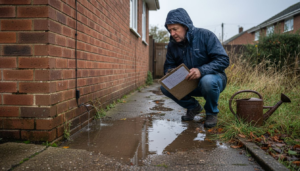
Foul odors escaping from drains or appearing in your garden point to sewage backing up behind blockages. Roots trap solid waste, creating decomposition and smell. Garden areas above underground drains may show damp or soggy patches where backed-up water seeps through soil.
Watch for these warning signs:
- Recurring blockages in the same drain within weeks or months
- Water pooling around outdoor drain covers after rain
- Unusually lush grass growth above buried drain lines
- Multiple drains affecting simultaneously rather than isolated problems
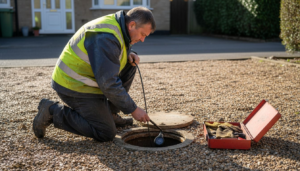
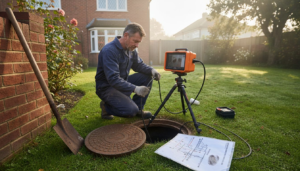
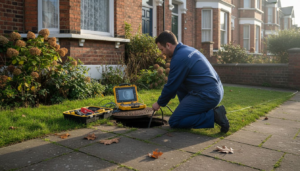
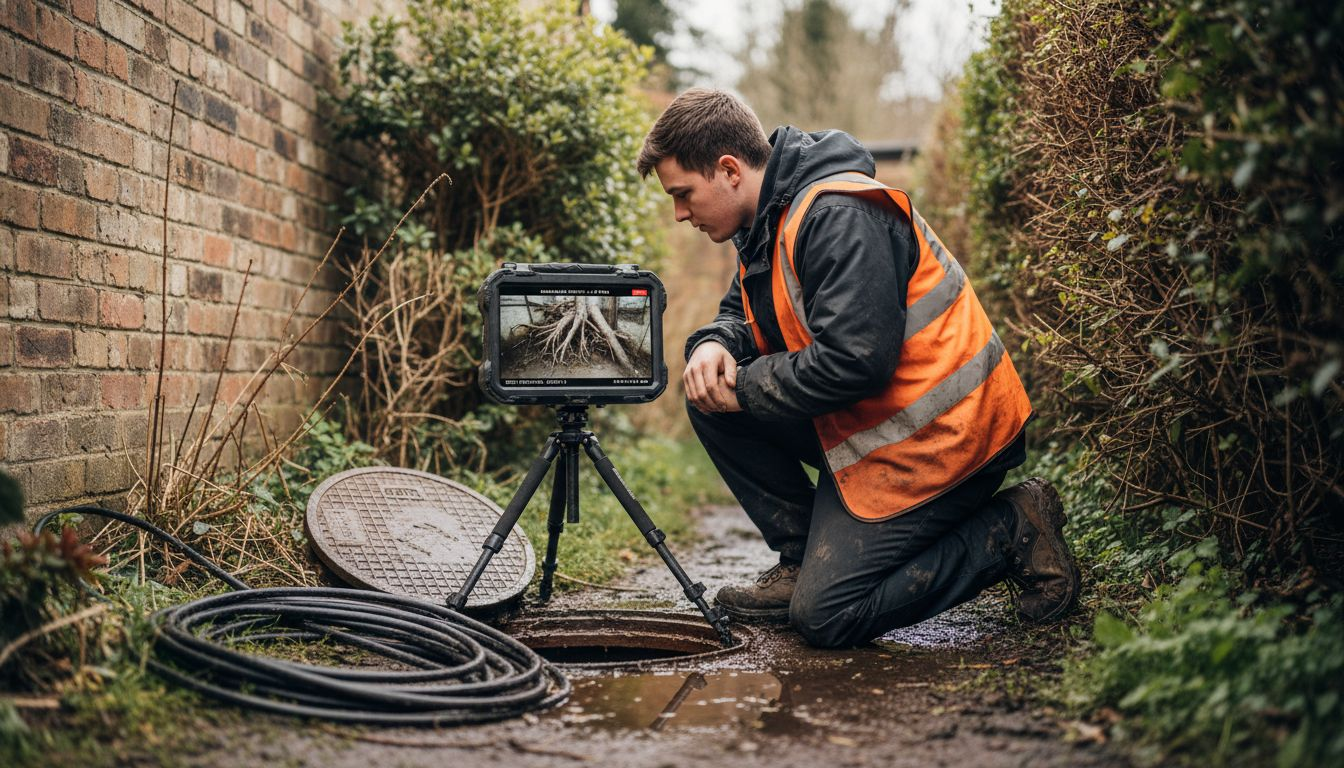
Professional inspection through drain unblocking services confirms root presence and extent. Camera surveys reveal exact blockage locations and severity, guiding treatment decisions.
Common Misconceptions About Tree Root Drain Damage
Many homeowners hold mistaken beliefs about root infiltration that delay proper treatment. Clearing these misconceptions helps you make informed decisions about your drainage system.
One widespread myth claims new pipes remain immune to root damage. Reality shows roots infiltrate even newer pipes if joints aren’t properly sealed during installation. Poor workmanship or settling soil can compromise seals on pipes of any age. Modern materials reduce risk but don’t eliminate it entirely.
Another common belief suggests chemical root killers harm trees and gardens. Professional treatments target roots inside pipes specifically without affecting the main tree or surrounding plants. Applied correctly through the drainage system, chemicals kill invasive roots while the tree’s primary root system remains untouched and healthy.
Many assume mechanical clearing alone solves root blockages permanently. Rodding or jetting removes existing roots but doesn’t prevent regrowth. Without pipe repair or ongoing treatment, roots return within months through the same entry points. Combining drain jetting with chemical treatment or pipe sealing provides lasting solutions.
Key misconceptions include:
- Removing the tree eliminates the problem (dead roots continue blocking drains)
- Insurance always covers root damage (many policies exclude gradual deterioration)
- DIY chemical treatments match professional application (concentration and delivery method matter significantly)
- Small trees pose no threat (even shrubs develop extensive root systems)
Professional assessment determines the best combination of treatments for your specific situation, considering pipe condition, root extent, and long-term prevention needs.
Prevention Strategies for Tree Root Drain Damage
Preventing root infiltration costs far less than repairing damage after blockages occur. Strategic planning and routine maintenance protect your drainage system effectively.
Pipe material selection makes the biggest difference for new installations or replacements. Modern PVC pipes with rubber-sealed joints resist root entry far better than traditional clay or concrete. The continuous seal eliminates the gaps roots exploit. When replacing damaged sections, upgrading to PVC throughout the affected area prevents future problems.
Tree species and placement require careful consideration during landscaping. Some trees develop aggressive root systems that seek water sources extensively. Willows, poplars, and certain oak varieties pose high risks. Planting these species at least 10 meters from drainage lines reduces infiltration likelihood. Alternatively, choose smaller trees with less invasive root patterns for areas near underground pipes.
Regular professional inspections catch problems before they escalate. Annual camera surveys of your main drain line reveal early root penetration, allowing targeted treatment while blockages remain minor. Portsmouth homeowners with older properties particularly benefit from scheduled routine drain cleaning that removes small root intrusions before they expand.
Soil moisture management around drains discourages root growth toward pipes. Proper garden drainage reduces standing water that attracts roots. Installing root barriers made of metal or thick plastic between trees and drain lines physically blocks root progression toward pipes.
Effective prevention includes:
- Mapping underground drainage before planting trees or large shrubs
- Maintaining adequate watering for established trees to reduce their search for moisture
- Addressing pipe leaks promptly to eliminate moisture attracting roots
- Documenting pipe locations for future reference during garden work
Pro Tip: Keep records of your drainage system layout including pipe materials and ages. This information proves invaluable when planning landscaping or diagnosing problems later.
Available Treatments and Their Effectiveness
Multiple treatment options exist for clearing root blockages, each with distinct advantages and limitations. Understanding effectiveness helps you choose appropriate solutions.
Mechanical removal through high-pressure water jetting or drain rodding offers immediate clearance. Studies show jetting clears up to 90% of roots immediately, restoring flow quickly. The high-pressure water cuts through root masses and flushes debris from pipes. However, without addressing entry points, re-infestation occurs in up to 50% of cases within six months.
Chemical root killers work differently by poisoning roots inside pipes while leaving the main tree unharmed. Applied through drains, these treatments kill existing roots and inhibit new growth from the same entry points. Chemical treatments reduce regrowth by approximately 70% compared to mechanical clearing alone. Effects last 12 to 24 months before reapplication becomes necessary.
Pipe repair or relining addresses the root cause by sealing entry points permanently. This approach prevents future infiltration but requires initial mechanical clearing to access and assess damage. Modern relining techniques insert new pipe material inside existing pipes without excavation, creating seamless barriers against roots.
Combining methods produces the best long-term results. Initial jetting removes blockages, followed by chemical treatment to kill remaining roots, then pipe repair seals vulnerabilities. This integrated approach costs more upfront but prevents recurring problems and emergency repairs.
| Treatment Method | Immediate Clearance | Prevention Duration | Cost Level | Best Used When |
|---|---|---|---|---|
| Drain Jetting | 90% | 3-6 months | Low to Medium | Emergency blockages |
| Chemical Treatment | 60% | 12-24 months | Low | Ongoing maintenance |
| Pipe Repair/Relining | N/A | Permanent | High | Severe damage |
| Combined Approach | 95% | 24+ months | Medium to High | Long-term solution |
Professional drain jetting services assess your specific situation and recommend appropriate treatment combinations. Camera surveys before and after treatment verify clearance and identify any remaining vulnerabilities.
Pro Tip: Schedule chemical treatments proactively after mechanical clearing rather than waiting for blockages to return. This preventive approach extends clear periods significantly.
Local Context of Tree Root Drain Issues in Portsmouth
Portsmouth’s drainage infrastructure and environmental conditions create specific challenges for homeowners dealing with root infiltration. Understanding these local factors helps you manage risks effectively.
Portsmouth’s housing stock includes many properties built before modern pipe sealing techniques existed. Clay pipes with mortared joints predominate in older neighborhoods. These historic systems show higher failure rates because mortar deteriorates over decades, creating gaps for root entry. Properties built before 1970 face elevated risk.
Local soil composition influences root behavior around drainage systems. Portsmouth’s mixture of clay and loam retains moisture well, encouraging extensive root development. During dry summers, trees extend root systems aggressively seeking water sources. Underground pipes become attractive targets when surface moisture decreases.
The coastal climate brings additional considerations. Salt-laden winds stress trees, prompting deeper root growth for stability and moisture. Mature trees in coastal areas often develop more extensive underground systems than similar species inland. This aggressive growth increases the likelihood of drain encounters.
Proactive local factors include:
- Victorian and Edwardian properties with original clay drainage particularly vulnerable
- Coastal exposure driving deeper root development near underground infrastructure
- Wet winter periods masking slow drainage until summer when water usage peaks
- Limited space in urban gardens placing trees closer to drainage than ideal
Local drainage specialists understand these Portsmouth-specific challenges. Their experience with regional pipe types and common tree species guides effective treatment recommendations. Addressing issues promptly prevents minor root intrusions from causing the extensive damage common in older properties.
Case Studies and Real-World Examples
Real Portsmouth homeowners have successfully resolved persistent root blockage problems through strategic interventions. These examples demonstrate effective approaches and outcomes.
-
Southsea Victorian terrace: A homeowner experienced four separate blockages within 18 months despite repeated drain clearing. Camera inspection revealed extensive root infiltration through deteriorated clay pipe joints. Complete replacement of the affected section with sealed PVC pipes eliminated blockages permanently. Two years later, the system remains clear without further interventions.
-
North End semi-detached property: Recurring blockages traced to a large oak tree 8 meters from the main drain. Initial jetting provided temporary relief lasting only weeks. Combined treatment using mechanical clearing followed by chemical root killer and partial pipe relining extended clear periods to over 24 months. Annual chemical maintenance now prevents regrowth.
-
Fratton family home: Slow drainage and foul odors developed gradually over months. Professional inspection found moderate root intrusion affecting 6 meters of drain line. High-pressure jetting removed roots, then chemical treatment prevented immediate regrowth. Six-monthly inspections now catch any new intrusions early, maintaining system health without major interventions.
These cases share common success factors. Accurate diagnosis through camera inspection identified specific problems. Combining mechanical and chemical treatments addressed both immediate blockages and prevention. Where pipe damage was severe, replacement proved more cost-effective than repeated clearings. Regular follow-up inspections maintained long-term results.
Portsmouth homeowners facing similar issues benefit from learning which approaches work. Professional assessment determines whether your situation requires simple clearing, ongoing chemical maintenance, or permanent pipe replacement.
Professional Drainage Solutions for Root Problems in Portsmouth
Resolving root blockages effectively requires specialist knowledge and equipment. Professional drainage services offer comprehensive solutions tailored to Portsmouth’s specific challenges.
Experienced technicians use camera surveys to diagnose root infiltration accurately before recommending treatments. This precision prevents unnecessary work and targets interventions where they’re most effective. Professional drain unblocking combines mechanical clearing with preventive treatments for lasting results.
High-pressure drain jetting equipment removes even stubborn root masses quickly. Professional-grade chemical treatments applied correctly inhibit regrowth without environmental harm. For severely damaged pipes, specialists offer modern relining solutions that create new pipes within old ones without excavation.
Regular maintenance programs keep drainage systems functioning optimally. Scheduled inspections and routine cleaning prevent minor issues from becoming expensive emergencies. Portsmouth homeowners save money long-term through proactive care rather than reactive repairs.
FAQ
How do tree roots find their way into my home drains?
Roots grow toward moisture and nutrients naturally present inside drainage pipes. They detect water vapor escaping through tiny cracks or gaps in pipe joints as small as half a millimeter. Once roots penetrate these openings, the warm, moist pipe interior encourages rapid growth that eventually blocks water flow.
What are the earliest signs of root blockage I should look for?
Slow drainage across multiple fixtures, gurgling noises when water drains, and foul sewage odors indicate developing root problems. You might also notice damp patches or unusually lush grass growth in your garden above buried drain lines. Catching these signs early prevents extensive damage and costly repairs.
Can chemical root killers damage my trees or garden?
Properly applied chemical treatments target roots inside pipes specifically without harming the tree’s main root system or surrounding plants. Professional application ensures correct concentration and delivery through the drainage system. The chemicals affect only roots that have invaded pipes, leaving surface vegetation and the tree’s primary structure completely unharmed.
What’s the most effective approach to prevent recurring root blockages?
Combining several strategies works best: install modern PVC pipes with sealed joints, choose tree species with less invasive roots, maintain adequate distance between trees and drains, and schedule regular professional inspections. Adding chemical root treatments after mechanical clearing extends clear periods significantly. This integrated approach addresses both immediate problems and long-term prevention, minimizing future blockage risks effectively.