Recurring drainage blockages frustrate Portsmouth homeowners who struggle to pinpoint the exact source of problems without professional equipment. Traditional guesswork often leads to unnecessary excavation and wasted money on incorrect repairs. This guide walks you through understanding CCTV drain surveys, preparing for inspections, and using results to prevent costly drainage failures while achieving superior diagnostic accuracy.
Table of Contents
- Understanding Cctv Drain Surveys: What They Are And Why You Need One
- Prerequisites: What You Need Before A Cctv Drain Survey
- Step-By-Step Process Of A Professional Cctv Drain Survey
- Common Mistakes And Troubleshooting During Cctv Drain Surveys
- Expected Timelines, Costs, And Outcomes Of Cctv Drain Surveys
- Interpreting Your Cctv Drain Survey Report And Next Steps
- Safety And Professional Standards For Cctv Drain Surveys
- Explore Expert Drainage Solutions In Portsmouth
Key Takeaways
| Point | Details |
|---|---|
| Accuracy | CCTV drain surveys locate and diagnose drain issues with over 90% precision compared to traditional methods. |
| Preparation | Ensure clear site access, provide drainage history, and hire licensed professionals to avoid delays. |
| Survey Process | Includes access check, drain flushing, camera insertion, real-time footage review, and detailed reporting. |
| Cost Savings | Routine surveys every 2-3 years cut emergency repair costs by up to 50% through early detection. |
| Report Interpretation | Professional reports improve repair success rates by 85% when properly understood and acted upon. |
Understanding CCTV Drain Surveys: What They Are and Why You Need One
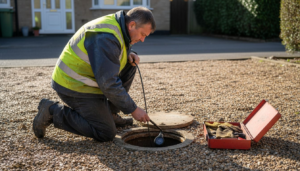
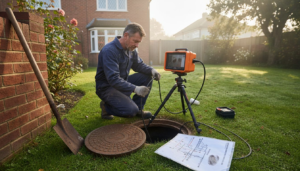
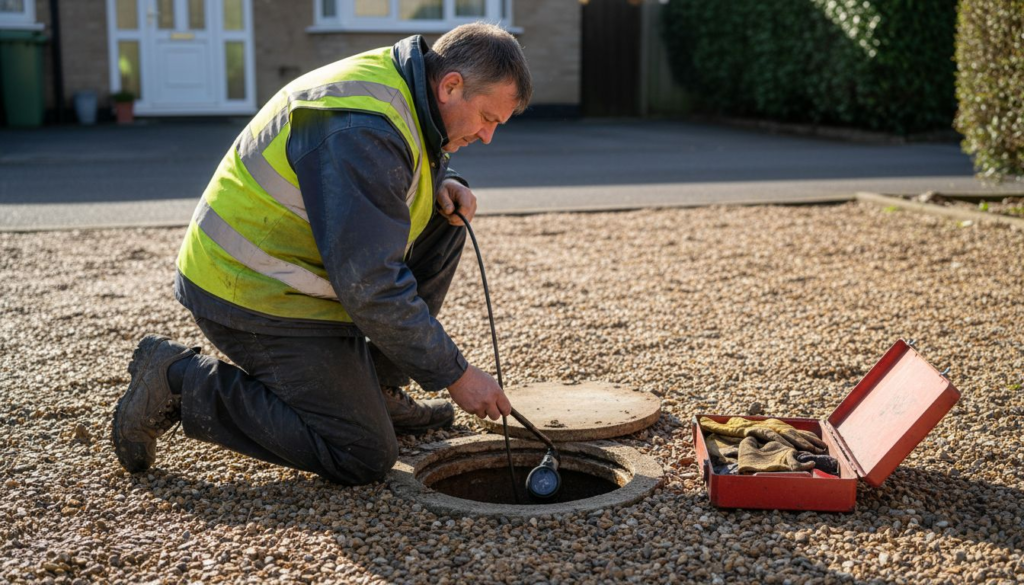
A CCTV drain survey uses a waterproof camera mounted on a flexible cable to inspect the interior of your drainage system. This method allows drainage professionals to see exactly what’s happening inside pipes without digging up your garden or driveway. CCTV drain surveys provide precise internal visual inspections enabling exact location and cause of blockages or structural defects to be identified before repair work with over 90% accuracy, making them the gold standard for drainage diagnostics.
Unlike traditional detection methods such as dye testing or sonar sensing, CCTV surveys deliver visual confirmation of defects. You get clear evidence of blockages, cracks, pipe collapses, and tree root ingress that would remain invisible from the surface. This precision eliminates guesswork and prevents unnecessary excavation, saving both time and money.
The benefits of a drain CCTV inspection in Portsmouth extend beyond simple blockage detection:
- Pinpoints exact problem locations within centimetres
- Identifies structural damage before it becomes catastrophic
- Provides video evidence for insurance claims
- Guides targeted repairs rather than exploratory digging
- Reveals hidden defects during property purchases
Professional drainage companies consider CCTV surveys essential for accurate diagnosis. The technology has transformed drainage maintenance from reactive emergency repairs to proactive problem prevention. Understanding the benefits of CCTV drain inspection helps you make informed decisions about maintaining your property’s drainage infrastructure.
Prerequisites: What You Need Before a CCTV Drain Survey
Proper preparation ensures your CCTV drain survey runs smoothly and delivers reliable results. Poor planning causes 70% of survey delays, costing you extra time and potentially additional call-out fees.
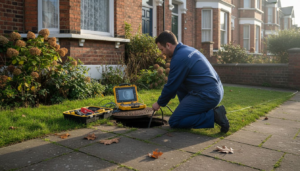
Physical access to inspection chambers or manholes is absolutely essential. The camera must enter your drainage system somewhere, typically through existing access points. Before scheduling your survey, locate all manholes and inspection chambers on your property. Clear away soil, vegetation, or debris covering these entry points.
You should gather your home’s drainage history before the professionals arrive. Document past blockages, repairs, or known problem areas. This information helps technicians focus their inspection on vulnerable sections and interpret findings accurately. Include details about recurring slow drains, foul odours, or previous emergency call-outs.
Licensed professionals must follow strict safety standards during surveys. They require proper personal protective equipment and must comply with confined space regulations. Gas build-up and oxygen deficiency pose real risks in drainage systems, so only certified operators should conduct inspections.
Key preparation steps include:
- Clearing physical access to all manholes and inspection chambers
- Providing detailed drainage layout plans if available
- Documenting history of blockages and previous repairs
- Ensuring contractors hold valid licences and insurance
- Arranging site clearance for equipment and vehicles
Pro Tip: Clear the surrounding area and remove obstacles at least 24 hours before your scheduled survey. This simple step prevents delays and allows technicians to work efficiently, potentially reducing overall inspection costs.
Follow these preparation tips for drain CCTV inspection to maximise the value of your investment and avoid frustrating setbacks on inspection day.
Step-by-Step Process of a Professional CCTV Drain Survey
Understanding what happens during a CCTV drain survey removes uncertainty and helps you prepare appropriately. Professional surveys follow a systematic approach to ensure comprehensive coverage and accurate diagnostics.
Step 1: Site Access Confirmation
Technicians verify that all inspection chambers are accessible and safe to open. They assess the site layout and identify the optimal entry points for camera insertion. This preliminary check prevents mid-survey delays and ensures efficient coverage of your entire drainage system.
Step 2: Drain Flushing
Professionals flush drains to clear loose debris and sediment before inserting the camera. This crucial step improves camera lens clarity and survey accuracy by approximately 35%. Clean pipes allow better visibility of cracks, joints, and structural defects that might otherwise remain hidden behind grime.
Step 3: Camera Insertion
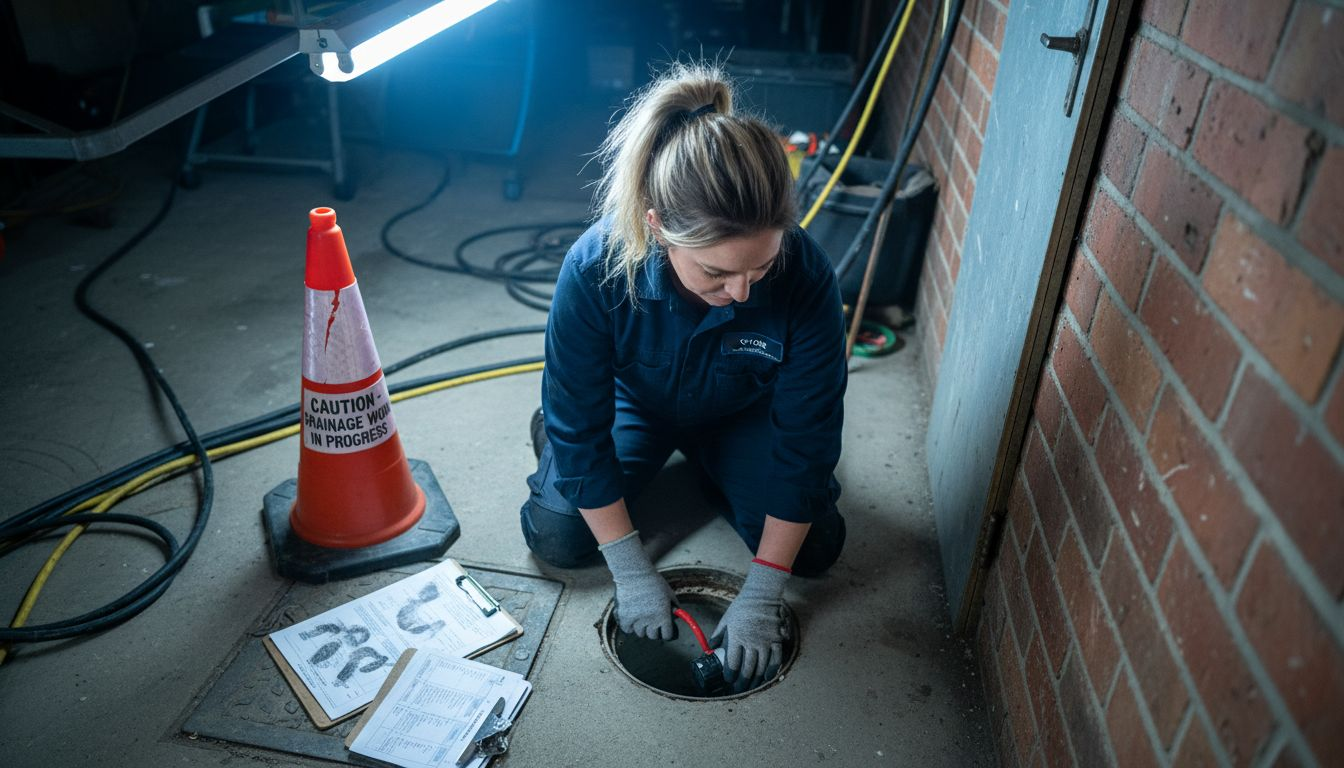
A self-levelling camera equipped with bright LED lighting enters the drainage system through the chosen access point. The flexible cable allows the camera to navigate bends and junctions while maintaining optimal image orientation. Modern cameras capture high-definition video that reveals even minor defects.
Step 4: Real-Time Inspection
Technicians conduct the inspection while recording continuous video footage. They identify blockages, cracks, root ingress, collapsed sections, and joint failures. The camera’s location tracker notes the precise distance and position of each defect within your drainage system.
Step 5: Report Generation
Professionals compile a detailed report including video evidence, still images, and written findings. The report specifies defect locations, severity ratings, and recommended actions. You receive clear guidance on whether problems require immediate repair, monitoring, or routine maintenance.
| Survey Component | Duration | Purpose |
|---|---|---|
| Access check | 5-10 mins | Verify entry points and safety |
| Drain flushing | 10-15 mins | Clear debris for optimal visibility |
| Camera inspection | 20-60 mins | Record footage and identify defects |
| Report preparation | 15-30 mins | Document findings and recommendations |
Pro Tip: Schedule your survey shortly after professional drain flushing to maximise image clarity. The investment in pre-survey cleaning pays dividends through more confident diagnosis and better repair planning.
The professional CCTV drain survey process transforms invisible underground problems into clear, actionable information that protects your property investment.
Common Mistakes and Troubleshooting During CCTV Drain Surveys
Avoiding common pitfalls ensures your CCTV drain survey delivers accurate results without frustrating delays or additional costs. Many problems stem from inadequate preparation or poor contractor selection.
Blocked or inaccessible inspection chambers halt surveys immediately. Technicians cannot insert cameras if they cannot reach entry points. Verify that all manholes are locatable and openable before your scheduled appointment. Remove heavy covers, clear vegetation, and ensure nothing obstructs access routes for equipment.
Unflushed drains compromise image quality significantly. Sediment and debris coat camera lenses, obscuring defects and reducing diagnostic confidence. Insist that contractors include drain flushing as part of the survey protocol, or arrange separate cleaning beforehand.
Unlicensed or inexperienced operators cause misinterpretation in approximately 30% of cases. They may overlook subtle defects, misidentify problems, or provide incorrect repair recommendations. Always verify contractor credentials, insurance coverage, and industry certifications before commissioning surveys.
Incomplete drainage history from homeowners leads to ineffective diagnosis. Technicians benefit enormously from knowing where previous blockages occurred, which areas drain slowly, and what repairs you’ve already attempted. This context helps them focus inspection efforts and interpret findings accurately.
Common survey failures include:
- Obstructed access points causing survey cancellation
- Poor image quality from unflushed drains
- Misdiagnosis by unqualified operators
- Incomplete coverage due to unknown drainage layout
- Equipment failure from improper maintenance
You can proactively avoid common CCTV drain survey mistakes by vetting contractors thoroughly and preparing your property properly. Ask potential contractors about their experience, request sample reports, and verify that they carry appropriate professional indemnity insurance. Disclose your complete drainage problem history, including minor issues that seem insignificant.
Taking these precautions protects your investment and ensures you receive actionable intelligence about your drainage system’s condition.
Expected Timelines, Costs, and Outcomes of CCTV Drain Surveys
Setting realistic expectations about survey duration, costs, and benefits helps you plan effectively and budget appropriately for drainage maintenance.
Typical survey duration ranges from 30 to 90 minutes depending on your property size and drainage complexity. Small residential properties with straightforward layouts require less time, while larger homes with extensive drainage networks need longer inspections. Additional time may be needed if technicians discover unexpected defects requiring detailed documentation.
Average costs range from £100 to £300 based on property type and survey scope. Basic residential surveys cost less than comprehensive commercial inspections. Prices typically include site visit, camera inspection, video recording, and written report. Additional charges may apply for emergency call-outs or surveys outside normal working hours.
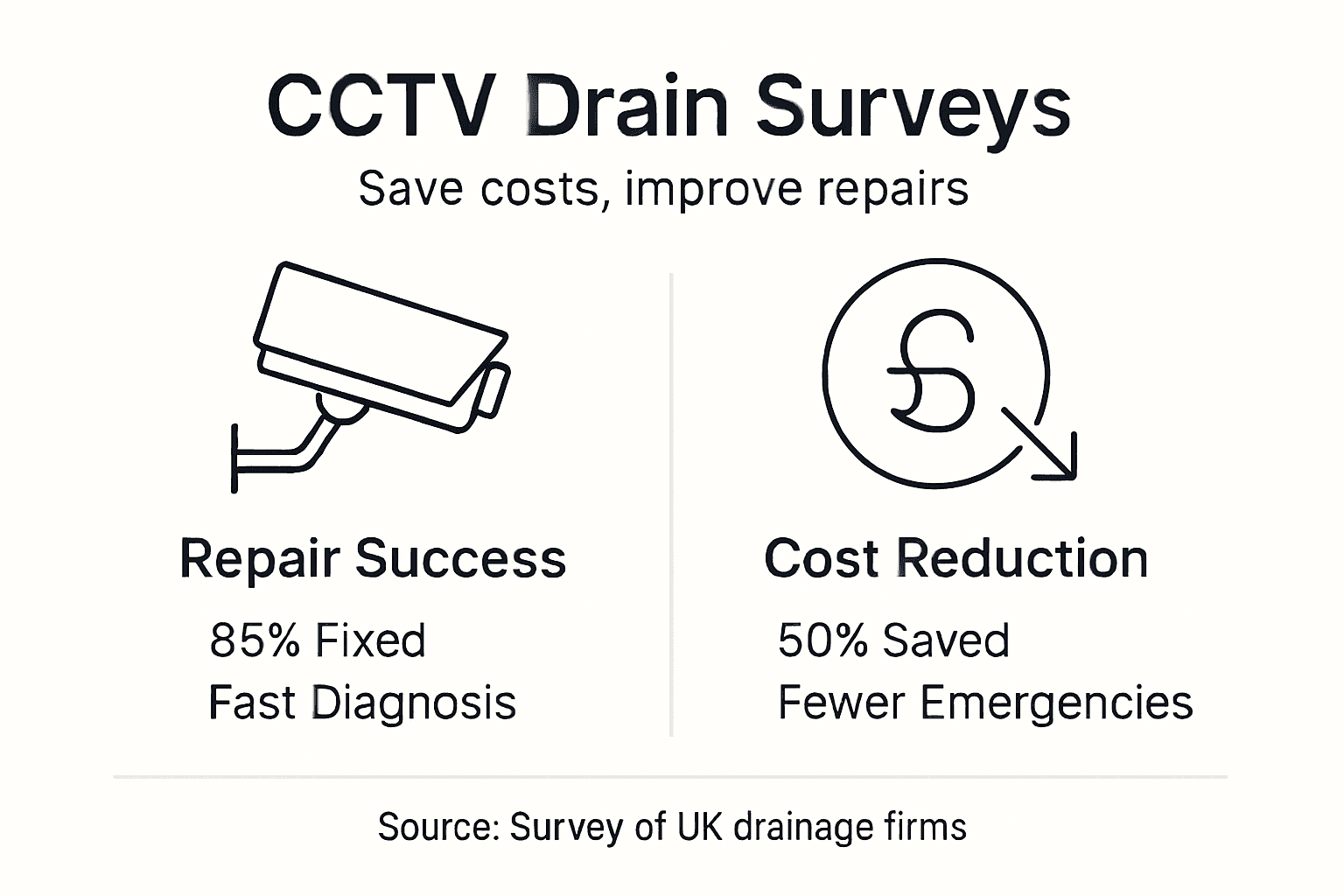
Routine CCTV inspections every 2 to 3 years can reduce emergency repair costs by up to 50% through early detection of developing problems. You catch minor cracks before they become collapses, identify root ingress before complete blockage, and address joint failures before costly excavation becomes necessary.
| Method | Accuracy | Typical Cost | Information Detail |
|---|---|---|---|
| CCTV Survey | 90%+ | £100-£300 | Complete visual evidence with precise defect location |
| Dye Testing | 40-60% | £50-£100 | General flow direction, limited defect identification |
| Sonar Testing | 60-75% | £150-£250 | Blockage detection without visual confirmation |
CCTV surveys provide superior value despite higher upfront costs. The detailed visual evidence supports confident repair decisions and prevents wasteful spending on incorrect solutions. You receive permanent video records useful for insurance claims, property sales, and long-term maintenance planning.
Understanding cost factors for CCTV drain surveys helps you evaluate quotes and select contractors offering genuine value rather than simply choosing the cheapest option.
Interpreting Your CCTV Drain Survey Report and Next Steps
Your survey report transforms raw camera footage into actionable maintenance guidance. Understanding how to read and use this document maximises the value of your inspection investment.
Professional reports detail each defect’s location, type, and severity with supporting video evidence and still images. Technicians note the precise distance from access points, describe the nature of problems, and classify severity using industry-standard ratings. You receive clear documentation of cracks, blockages, root penetration, joint failures, and structural collapses.
Reports provide specific recommendations for each identified defect. Options typically include immediate unblocking, structural repair, pipe replacement, or continued monitoring. Interpreting CCTV drain survey videos with professionally generated reports helps homeowners understand exact defect locations, types, and recommended actions with up to 85% confidence in correct repair decisions.
Effective report use helps you avoid unnecessary repairs and incorrect solutions. You can prioritise urgent problems requiring immediate attention while scheduling less critical maintenance for convenient times. This strategic approach prevents both emergency failures and wasteful spending on premature replacements.
Key report elements include:
- Defect location with precise measurements from access points
- Severity classifications guiding urgency of response
- Visual evidence supporting diagnosis and recommendations
- Comparison with industry standards and expected lifespan
- Prioritised action plan with cost estimates where applicable
Your next steps after CCTV survey should be guided by licensed professionals familiar with the report findings. Discuss recommendations with qualified drainage contractors who can explain technical terms, clarify priorities, and provide accurate quotes for necessary work. Keep your report permanently for future reference, property sales, and insurance purposes.
Understanding your survey results empowers informed decisions that protect your property investment and prevent costly drainage failures.
Safety and Professional Standards for CCTV Drain Surveys
Strict safety protocols and professional standards protect both technicians and property owners during CCTV drain surveys. Understanding these requirements helps you select qualified contractors and ensure compliant inspections.
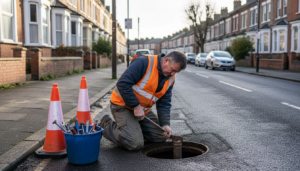
Operators must use proper personal protective equipment including gloves, safety boots, and protective clothing when accessing drainage systems. Confined space entry regulations apply to many inspection scenarios, requiring gas monitoring equipment and emergency rescue procedures. Professional contractors invest in safety training and equipment to protect their teams.
Gas build-up and oxygen deficiency pose serious risks during drainage inspections. Methane, hydrogen sulphide, and carbon dioxide can accumulate in enclosed drainage systems, creating potentially fatal atmospheres. Licensed professionals monitor air quality before and during inspections, withdrawing immediately if dangerous conditions develop.
Regulatory compliance requires contractors to hold appropriate licences, insurance coverage, and industry certifications. Professional bodies set minimum standards for training, equipment maintenance, and reporting quality. Unlicensed operators increase risks of injury, property damage, and inaccurate diagnostics that lead to costly mistakes.
Critical safety requirements include:
- Proper PPE for all personnel accessing drainage systems
- Gas monitoring equipment for confined space entry
- Emergency rescue procedures and communication systems
- Regular equipment maintenance and calibration
- Professional indemnity insurance covering errors and omissions
Only certified professionals following safety standards should conduct CCTV drain surveys to protect property and health.
You protect yourself and your property by verifying contractor credentials before commissioning surveys. Ask about safety certifications, request proof of insurance, and confirm that technicians have completed recognised training programmes. Professional contractors welcome these questions and provide documentation readily.
Understanding professional standards and safety in drain surveys ensures you engage qualified contractors who deliver safe, compliant, and accurate drainage inspections.
Explore Expert Drainage Solutions in Portsmouth
Accurate CCTV surveys identify problems, but effective solutions require experienced professionals who can act on findings quickly and efficiently. Portsmouth homeowners benefit from local experts who understand regional drainage challenges and deliver proven unblocking and repair services.

Combining precise CCTV diagnostics with professional drain unblocking services in Portsmouth creates a comprehensive approach to drainage maintenance. Once you know exactly where and what the problem is, targeted solutions like drain jetting for unblocking clear blockages efficiently without damaging pipes. Local specialists offer the advantage of rapid response times and familiarity with Portsmouth’s drainage infrastructure, soil conditions, and common problem patterns. Discover how to unblock drains in Portsmouth using proven methods that protect your investment and prevent recurring issues.
Frequently Asked Questions
What causes common drainage blockages detected by CCTV surveys?
Tree root ingress, accumulated fat and grease, and collapsed pipe sections cause most residential drainage blockages. Roots penetrate joints seeking moisture, while cooking fats solidify and trap debris. Surveys also reveal structural failures from ground movement or age-related deterioration that gradually restrict flow.
How often should I schedule a CCTV drain survey for my Portsmouth home?
Schedule surveys every 2 to 3 years for routine maintenance, or immediately if you notice recurring blockages or slow drainage. Properties with mature trees nearby benefit from annual inspections to catch root ingress early. Pre-purchase surveys protect buyers from inheriting expensive drainage problems.
Can a homeowner conduct a CCTV drain survey themselves?
Homeowners should not attempt DIY CCTV surveys due to safety risks, equipment requirements, and interpretation expertise needed. Confined space hazards, gas build-up, and technical complexity make professional surveys essential. Consumer-grade cameras lack the quality and features needed for accurate diagnosis.
What should I do if the CCTV survey finds major damage?
Obtain multiple quotes from licensed drainage contractors for recommended repairs. Prioritise urgent defects threatening immediate failure while scheduling less critical work strategically. Use the survey report to support insurance claims if damage results from insured perils like subsidence or storm damage.
Are CCTV drain surveys covered by home insurance?
Most home insurance policies do not cover routine CCTV surveys as they are considered preventative maintenance. However, surveys conducted to investigate sudden damage or prepare insurance claims may be reimbursable. Check your specific policy terms and discuss coverage with your insurer before scheduling surveys.
How long does CCTV survey footage remain useful?
Survey reports and footage remain valuable throughout your property ownership. They provide baseline documentation for tracking drainage system deterioration, support future insurance claims, and assist with property sales. Store reports permanently alongside other important property documents for ongoing reference.