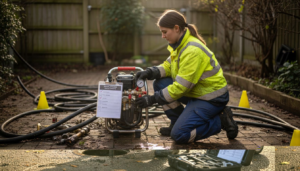
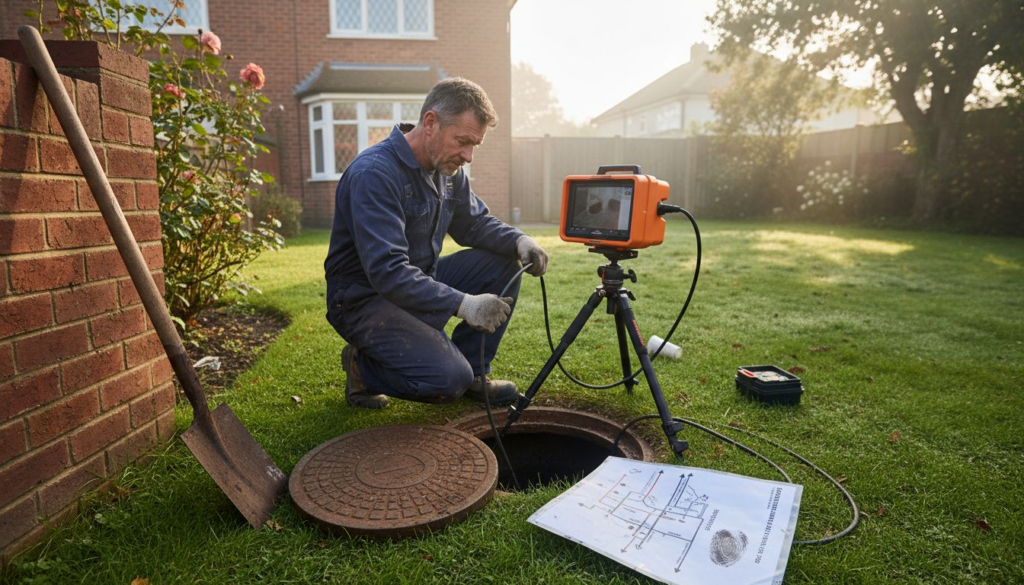
Recurring drain blockages in Portsmouth homes often leave homeowners feeling stuck between costly guesswork and short-lived fixes. When traditional methods cannot identify the cause, relying on trial and error can waste time and money. With waterproof, high-definition cameras offering a clear look inside your pipes, advanced CCTV inspection delivers quick, mess-free answers and exposes hidden problems like cracks, root intrusion, or misalignment before they become emergencies. Get a true solution that targets the root cause and supports long-term prevention.
Table of Contents
- What Is CCTV Drain Inspection Technology?
- Common Drain Issues Detected By CCTV
- The Full CCTV Survey Process Explained
- Preventative Value And Long-Term Cost Savings
- Choosing A Qualified Drainage Specialist
Key Takeaways
| Point | Details |
|---|---|
| CCTV Technology Provides Non-Invasive Insights | CCTV drain inspection uses high-definition cameras to identify issues without excavation, providing real-time footage of pipe conditions. |
| Detects Root Causes of Blockages | The system identifies underlying problems such as cracks, root intrusion, and misalignments, helping to prevent future blockages. |
| Saves Time and Costs | Early detection of drainage issues through CCTV reduces emergency repair costs and prevents significant property damage. |
| Importance of Qualified Specialists | Employing certified drainage specialists ensures accurate inspections and adherence to industry standards, leading to effective repairs. |
What Is CCTV Drain Inspection Technology?
CCTV drain inspection uses waterproof, high-definition cameras to see inside your pipes without digging up your garden or driveway. The camera travels through your drainage system on a flexible cable, capturing real-time video of everything inside.
Think of it as a tiny security camera for your drains. It enters the pipe, records what it finds, and sends the footage to a monitor above ground. No excavation. No mess. No guesswork.
How the Technology Works
The camera is mounted on a flexible pushrod or crawling unit depending on the pipe diameter and distance. As it moves through your drains, it illuminates the interior with LED lights, capturing crystal-clear footage of pipe conditions.
The system also quantifies dimensional measurements from the images, which helps characterise exactly where problems occur and how severe they are. This precision matters when deciding whether a pipe needs repair or replacement.
Key components include:
- High-resolution camera head mounted at the cable tip
- Flexible cable or crawler unit to navigate bends and offsets
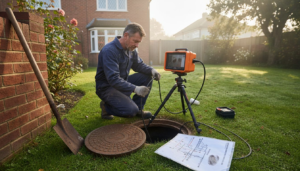
- Control unit above ground with monitor and controls
- Real-time video display showing pipe interior as inspection happens
What CCTV Can Actually Detect
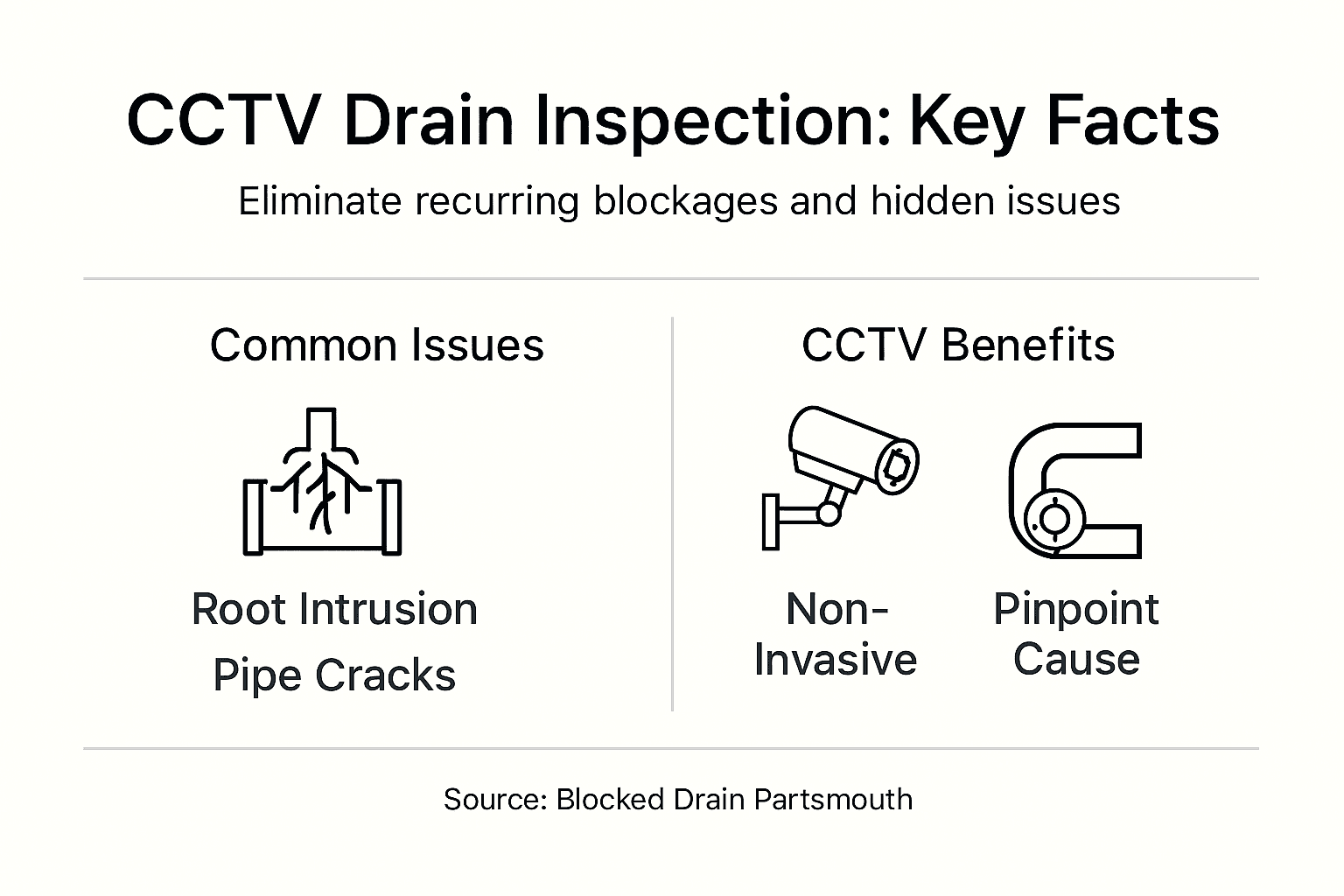
The camera identifies blockages, cracks, root intrusion, and misaligned pipe sections in seconds. Recurring blockages often have a cause—and CCTV finds it.
Common problems it reveals:
- Tree roots penetrating pipes (frequent in Portsmouth properties)
- Cracks or fractures allowing soil ingress
- Fat, grease, or mineral buildup restricting flow
- Pipe misalignment or collapse
- Debris trapped inside the line
Unlike traditional drain clearing methods that only remove what’s blocking today, CCTV shows why the blockage happened. That’s the difference between temporary relief and lasting solutions.
CCTV inspection doesn’t just fix the immediate problem—it reveals the root cause so recurring blockages stop returning.
Non-Invasive and Accurate
Waterproof camera systems) eliminate the need for trial-and-error excavation. You see the problem before any repairs begin. This saves time, reduces costs, and prevents unnecessary digging on your property.
The technology works on residential and commercial systems alike, handling various pipe diameters and depths. Water, mud, or poor lighting challenges the inspection, but modern equipment handles Portsmouth’s typical drainage conditions reliably.
Pro tip: Request a copy of your CCTV footage report after inspection—it documents the condition of your drains and becomes valuable evidence if future problems develop or you sell your property.
Common Drain Issues Detected by CCTV
CCTV cameras expose problems hiding deep inside your pipes that you’d never spot otherwise. What might seem like a simple blockage often has a much bigger story—and the camera reveals it in minutes.
Recurring blockages in Portsmouth homes rarely happen by accident. Something is causing them, and CCTV finds the root cause every time.
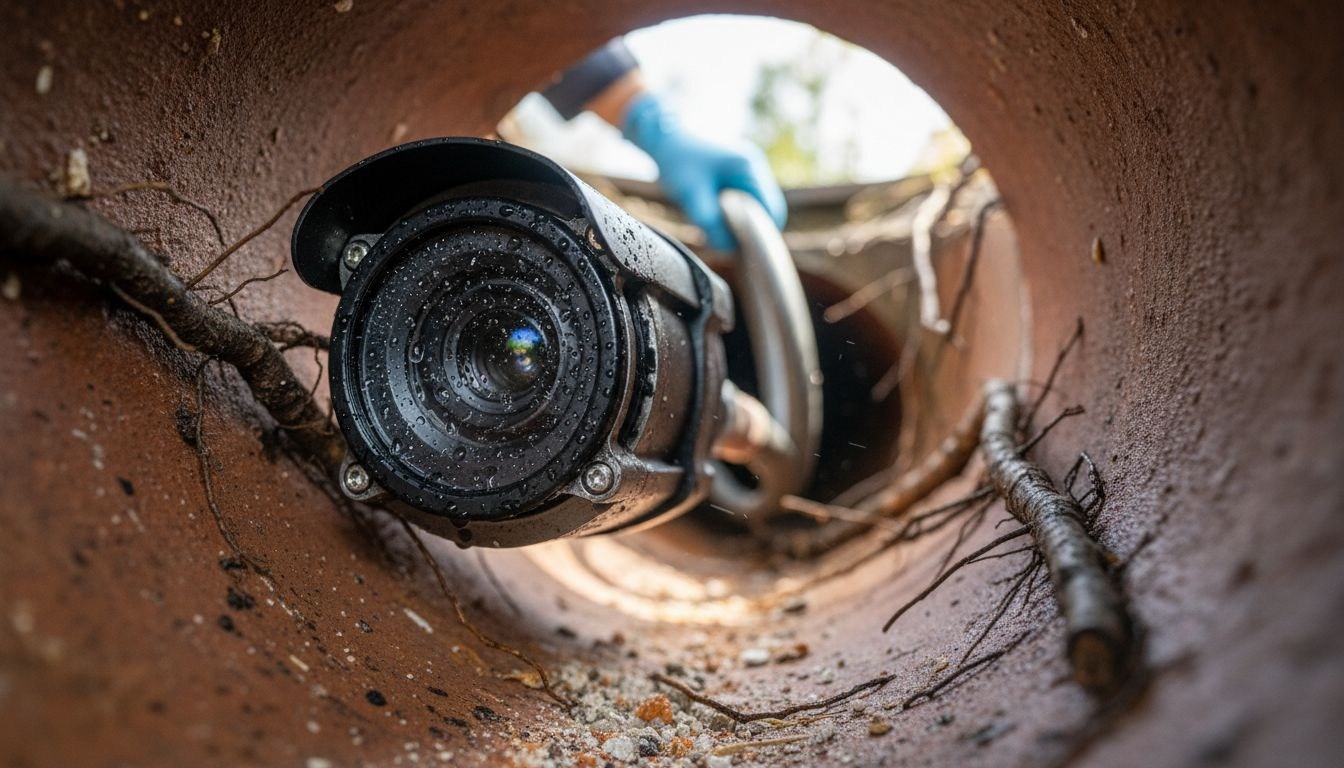
Root Intrusion
Tree roots are one of the most destructive drain problems. They penetrate small cracks in pipes, seeking moisture and nutrients, then grow inside and create blockages that keep returning.
You might notice:
- Recurring blockages in the same location
- Slow drainage during wet weather
- Soggy patches in your garden over the drain line
- Unusual plant growth near your pipes
Once roots enter a pipe, they don’t stop growing. CCTV shows exactly where the intrusion occurs and how severe it is. This determines whether you need repair, replacement, or drain jetting for effective removal.
Cracks and Fractures
Pipes crack from age, ground movement, or external pressure. Small cracks allow soil, sand, and roots to enter the pipe, causing blockages and failures.
Common causes:
- Settling foundations or ground subsidence
- Heavy traffic or machinery over the drain line
- Corrosion in older clay or cast iron pipes
- Freezing and thawing cycles
CCTV shows the exact location, length, and severity of each crack. This prevents guessing and ensures repairs target the actual problem.
Cracks act like magnets for soil and roots—fix them early or watch blockages multiply.
Grease, Fat, and Mineral Buildup
Fat and grease accumulation coats pipe interiors, narrowing flow space. Over time, this sticky residue hardens and traps other debris, creating stubborn blockages.
Mineral deposits from hard water also narrow pipes gradually. Unlike a single blockage event, these problems develop silently until drainage slows dramatically.
CCTV reveals how much buildup exists and where it’s thickest, guiding the best cleaning approach.
Pipe Misalignment and Collapse
Offset pipes occur when sections move out of alignment, creating a step inside the pipe that traps solids. Collapses happen when pipes fail structurally, usually from age or external damage.
These issues require more than drain cleaning—they need pipe repair or replacement. CCTV confirms whether this is necessary before you spend money on repairs.
Debris and Foreign Objects
Wipes, sanitary products, hair, and other objects lodge inside pipes. Some cause immediate blockages; others accumulate and cause recurring problems.
CCTV shows exactly what’s trapped and where, allowing targeted removal without damaging surrounding pipes.
Here is an overview of common drainage issues and their potential long-term effects if left unresolved:
| Drain Issue | Possible Consequence | Repair Complexity |
|---|---|---|
| Tree root intrusion | Recurring blockages | Moderate to high |
| Pipe cracks and fractures | Structural failure | Moderate |
| Grease and mineral buildup | Slow drainage, backups | Low to moderate |
| Pipe misalignment/collapse | Complete flow loss | High |
| Debris and foreign objects | Sudden blockages | Low |
Pro tip: Request the CCTV footage and written report detailing every issue found—this documentation supports insurance claims and guides your contractor’s repair strategy.
The Full CCTV Survey Process Explained
A CCTV drain survey isn’t mysterious or complicated. The process is straightforward, methodical, and designed to capture every detail of your drainage system in one visit.
Understanding what happens during the inspection helps you know what to expect and what information you’ll receive afterwards.
Before the Survey Begins
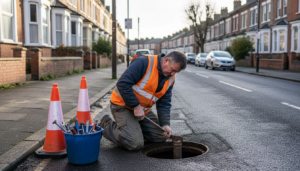
The technician starts by preparing the site and identifying access points. They locate your drain cleanout covers or entry points, then assess the area to ensure safe working conditions.
Preparation steps include:
- Clearing debris around access points
- Checking for safety hazards
- Setting up equipment and power supplies
- Confirming drain accessibility before starting
This groundwork ensures the camera can navigate freely and the operator can work safely. A few minutes of preparation prevents delays and equipment damage.
Inserting the Camera System
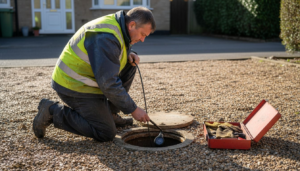
The waterproof camera attaches to a flexible rod or crawler unit. The operator feeds this carefully into the drain pipe, controlling its movement from above ground.
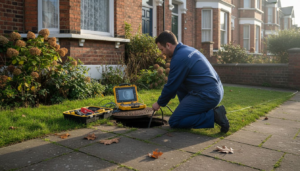
As the camera advances through your pipes, powerful LED lighting illuminates the interior, revealing every detail. The operator watches live video on a monitor, seeing exactly what the camera sees in real-time.
This live feed is crucial. It allows the technician to navigate bends, locate problems, and capture footage from the best angles.
Recording and Documenting Problems
The system records continuous video footage throughout the entire survey. Still images are captured at important points—blockages, cracks, junctions, and other significant findings.
Measurements are taken to determine exact locations of defects. When the camera identifies a crack at the 12-metre mark, that precision matters for repairs.
Key data collected:
- Location of each defect (measured distance from entry point)
- Type of problem (blockage, crack, root intrusion, etc.)
- Severity assessment (minor damage versus structural failure)
- Pipe diameter and material identification
- Flow conditions and water levels
Exact location measurements transform guesswork into targeted repairs that actually solve the problem.
The Complete Inspection
The camera travels through your entire accessible drainage system. The operator controls speed and direction, ensuring no section is missed.
Typical inspection coverage:
- Main drain lines from your house to the street
- Branch pipes and connections
- Gully traps and junctions
- The full length until the public sewer connection
Once the survey is complete, the equipment is carefully removed and the access point secured.
Analysis and Report Generation
After the survey, the technician reviews all footage in detail. This analysis identifies blockages, structural faults, displaced joints, and root ingress, then compiles findings into a comprehensive report.
Your report includes:
- Video footage (full recording or edited highlights)
- Still images of significant findings
- Detailed written descriptions of each problem
- Recommended remedial actions and priority ranking
- Cost estimates for repairs (often provided separately)
You’ll have documentation proving what exists in your pipes and why blockages keep returning.
Pro tip: Ask the technician to explain findings whilst they review the footage—hearing the analysis in real-time helps you understand the problems and makes repair decisions clearer.
Preventative Value and Long-Term Cost Savings
One CCTV inspection costs far less than emergency drain repairs. That’s the simple maths. But the real value goes deeper—it’s about stopping problems before they spiral into disasters.
Recurring blockages cost money every time they happen. CCTV stops the cycle by finding and fixing the root cause.
Detecting Problems Early
CCTV surveys detect hidden drainage faults like blockages, cracks, root intrusion, and misalignment before they become emergencies. A small crack today becomes a collapsed pipe tomorrow if left untreated.
Early detection prevents:
- Flooding in your home or garden
- Structural damage to foundations
- Contamination of soil around your property
- Sewage backup into living spaces
- Multiple emergency call-outs over months
Catching problems at stage one costs a fraction of stage five.
Avoiding Emergency Repairs
Emergency drain work happens at the worst possible times—weekends, bank holidays, during storms. Emergency rates are 30-50% higher than scheduled repairs.
You’ll pay premium prices for:
- Out-of-hours callout fees
- Urgent excavation and traffic management
- Expedited repairs without proper planning
- Temporary fixes that fail within weeks
Scheduled maintenance based on CCTV findings eliminates these surprise expenses and allows proper repair planning.
For homeowners, the following table compares scheduled CCTV surveys to emergency drain repairs:
| Factor | Scheduled CCTV Survey | Emergency Repairs |
|---|---|---|
| Cost | Predictable, lower | Higher, often urgent |
| Timing | Flexible, planned | Unplanned, disruptive |
| Diagnostic | Comprehensive analysis | Limited, reactive |
| Outcome | Addresses root cause | Often only temporary |
One preventative inspection saves thousands in emergency costs and the disruption that follows.
Targeted, Cost-Effective Repairs
Without CCTV, contractors guess where problems exist. They might excavate the wrong section, replace unnecessary pipe lengths, or miss the actual issue entirely.
CCTV provides exact location data, meaning repairs target only what needs fixing. This precision reduces:
- Excavation depth and area
- Pipe sections requiring replacement
- Labour hours wasted on incorrect diagnosis
- Material waste and unnecessary costs
Extending Pipe Lifespan
Routine CCTV monitoring tracks your drainage system’s condition over time. You’ll see which areas need attention and which remain stable. This scheduled maintenance approach extends pipe lifespan and maintains system reliability.
Regular inspections every 5-10 years (or more frequently if problems emerge) keep issues manageable. Small interventions prevent catastrophic failures requiring complete system replacement.
Real Portsmouth Example
A homeowner with recurring blockages every 6-8 weeks spent £500-£800 per clearance. Over two years, that’s £1,500-£2,400 in temporary fixes.
One CCTV inspection revealed tree roots penetrating a 2-metre section of pipe. Targeted pipe replacement cost £2,800 and permanently stopped the blockages. The inspection paid for itself within three months and eliminated years of recurring costs.
Without that CCTV data, they’d still be paying for emergency clearances today.
Long-Term Asset Protection
Your drainage system is an asset. CCTV protects that asset by providing documented proof of its condition. This matters for insurance claims, property sales, and mortgage valuations.
Documentation from CCTV surveys:
- Proves what repairs have been done and when
- Shows current pipe condition at time of inspection
- Supports insurance claims for damage caused by drainage failures
- Increases property value by demonstrating sound drainage infrastructure
Pro tip: Keep CCTV reports from every inspection—they build a drainage history that helps future contractors understand your system and justify maintenance decisions to insurers or potential buyers.
Choosing a Qualified Drainage Specialist
Not all drainage companies are equal. The difference between a qualified specialist and an amateur is the difference between solving your problem and wasting money on a failed diagnosis.
When CCTV inspection is done poorly, you get poor results. Choosing the right drainage specialist matters.
Verify Qualifications and Certification
Qualified professionals have formal training, relevant certifications, and provable experience with CCTV technology. They don’t just own equipment—they know how to use it properly.
Look for:
- CCTV operator certification or professional qualifications
- Membership in industry bodies (Water Industry Commission, NADC, or equivalent)
- Public liability and professional indemnity insurance
- Evidence of ongoing training and equipment maintenance
- Years of documented experience with drainage systems
Ask directly for proof. Reputable specialists provide certificates without hesitation. Those who deflect probably aren’t qualified.
Check Equipment Quality
Old, poorly maintained CCTV equipment produces unclear footage and unreliable data. Modern systems have high-definition cameras, calibrated measurements, and precise location tracking.
Qualified specialists use advanced, calibrated equipment with well-trained operators. Ask about equipment age, maintenance schedules, and resolution capabilities.
You’re paying for accuracy. Cheap, outdated equipment guarantees cheap, outdated results.
Review Industry Standards Compliance
Industry standards define how CCTV inspections should be conducted and reported. Compliant specialists follow these standards consistently, ensuring your inspection meets professional expectations.
They should:
- Follow British Standard BS EN 13508-1 (drainage inspection guidance)
- Provide written reports with standardised defect codes
- Include video footage and still images
- Document exact defect locations and severity ratings
- Offer clear, actionable recommendations
Standards exist because they work. Non-compliant operators cut corners.
A specialist who won’t follow industry standards is betting their guesswork is better than professional best practice.
Assess Customer Reviews and References
Read recent reviews on Google, Trustpilot, or local directories. Look for patterns—are customers consistently satisfied with inspection quality and professionalism?
Ask for references from homeowners with similar recurring blockage problems. What did they discover? Did the inspection lead to effective repairs?
Wary of companies with no online presence or reviews? That’s a red flag.
Request a Detailed Report Sample
Before booking, ask to see an example report from a previous inspection. Quality reports include:
- Clear video footage or edited highlights
- Detailed still images of each defect
- Written descriptions using industry terminology
- Exact measurements and location data
- Severity assessments and priorities
- Practical repair recommendations with cost estimates
Vague reports suggest vague inspections. You deserve clarity.
Confirm Local Knowledge
Drainage specialists familiar with Portsmouth understand common local issues—clay pipes, ground subsidence, historic pipe networks, seasonal water table fluctuations. This knowledge informs better diagnoses.
Ask whether they’ve inspected similar properties in your area and what problems they typically find.
Pro tip: Before committing to an inspection, call two or three specialists and ask detailed questions about their process, equipment, and reporting—the one who answers thoroughly and confidently is likely your safest choice.
Stop Recurring Drain Blockages with Expert CCTV Inspection in Portsmouth
Recurring blockages can cause frustration, cost, and disruption to your home. As the article explains, pinpointing issues like root intrusion, pipe cracks or grease buildup with accurate CCTV drain inspection is essential to solving the problem at its source. Don’t settle for repeated temporary fixes that drain your wallet and peace of mind.
At Blocked Drain Portsmouth, we specialise in professional drain unblocking and CCTV surveys tailored to Portsmouth’s unique drainage systems. Our waterproof, high-definition technology provides fast, reliable diagnosis so you can plan targeted repairs with confidence.

Take control of your drainage now. Request a CCTV drain survey to uncover hidden faults and stop costly emergency callouts before they happen. Visit our website or contact us today for expert advice and lasting solutions that protect your home.
Explore more about our services at Blocked Drain Portsmouth and learn how we can help with drain jetting for effective removal. Your drains deserve professional care for peace of mind and long-term savings.
Frequently Asked Questions
What is CCTV drain inspection technology?
CCTV drain inspection technology uses waterproof, high-definition cameras to view the interior of your pipes without the need for excavation. The camera travels through the drainage system on a flexible cable, capturing real-time video footage, allowing for precise diagnosis of any issues.
How can CCTV inspection help with recurring blockages?
CCTV inspection reveals the root causes of recurring blockages, such as tree root intrusion, cracks, or grease buildup. By identifying these issues, appropriate repairs can be made, preventing the blockages from returning.
What types of problems can be detected using CCTV inspection?
CCTV cameras can detect a variety of issues including tree root intrusion, cracks and fractures in pipes, grease and fat buildup, pipe misalignment or collapse, and foreign objects causing blockages. This detailed insight helps in creating effective solutions.
What is the typical process of a CCTV drain survey?
A CCTV drain survey typically includes site preparation, insertion of the camera into the drainage system, continuous video recording, documentation of findings, and analysis to produce a comprehensive report detailing any detected issues along with recommended repairs.