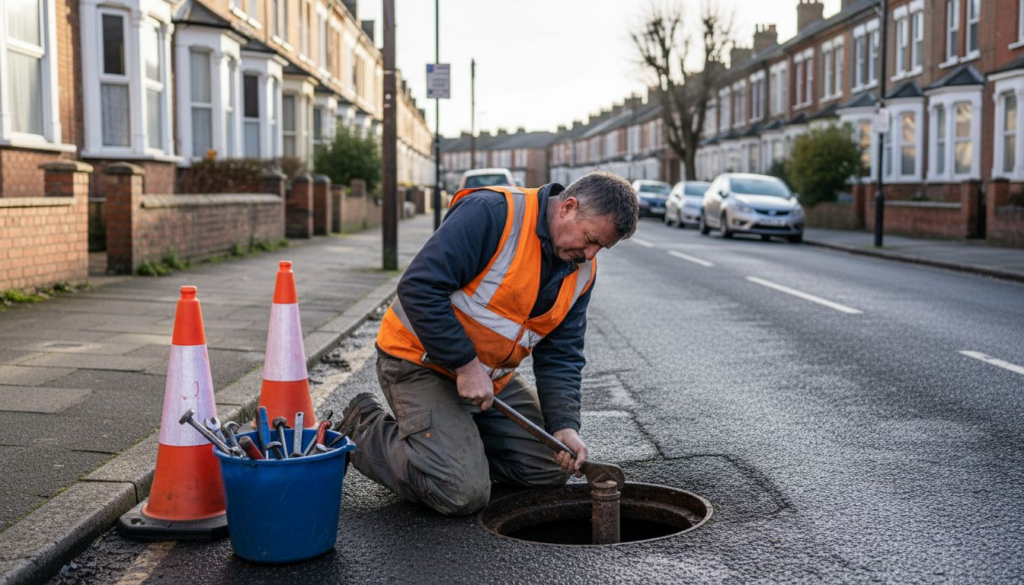
Blocked sinks, slow draining water, or unexplained damp patches in your Portsmouth home often bring a troubling question to mind—should you repair your old drains or is full replacement unavoidable? Deciding between fixing or renewing your drainage system makes a huge difference to your home’s safety, budget, and long-term peace of mind. This guide breaks down the key differences between drain repair and replacement so you can protect your property from expensive surprises and make a decision that suits both your home’s age and your wallet.
Table of Contents
- What Drain Repair And Replacement Mean
- Repair Methods And When They Work Best
- When Replacement Is The Smarter Choice
- Costs, Risks, And Long-Term Impacts
- Getting Expert Help In Portsmouth
Key Takeaways
| Point | Details |
|---|---|
| Repair vs Replacement | Understanding when to repair or replace is crucial; repairs are cost-effective for minor issues, while replacements are necessary for severe damage and longevity. |
| Early Detection | Regular inspections and early detection of drainage issues can prevent costly replacements later by allowing timely repairs. |
| Cost Considerations | Although repairs are cheaper upfront, repeated issues can lead to higher long-term costs compared to a one-time replacement investment. |
| Professional Assessment | Engaging qualified drainage specialists for assessments ensures accurate diagnosis and effective solutions tailored to specific property conditions. |
What Drain Repair and Replacement Mean
Drain systems in Portsmouth homes fall into two distinct categories when problems arise: repair or replacement. Understanding the difference is crucial to making the right decision for your property and budget.
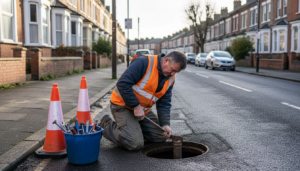
Drain repair involves fixing existing pipes that have minor issues. This might mean clearing blockages, patching small cracks, or sealing leaks in soil, waste, or ventilating pipes. Regular inspection and maintenance helps catch these problems early, when repair is still an option.
Drain replacement means removing old pipes entirely and installing new ones. This becomes necessary when pipes suffer significant structural damage, persistent leaks, or extensive corrosion that repair cannot fix.
How Repair Works
Repair focuses on restoring function to drainage pipes that still have structural integrity. Common repair methods include:
- Cleaning blockages caused by debris, grease, or tree roots
- Sealing minor cracks with epoxy or other sealants
- Fixing leaks at connection points or joint failures
- Replacing broken sections of pipe without full system overhaul
Repairs typically work best when caught early. A drain with a single blockage or small leak can return to full function with targeted work.
When Replacement Becomes Necessary
Replacement happens when pipes have deteriorated beyond practical repair. Signs include:
- Multiple large cracks throughout the pipe network
- Persistent leaks that recur after repair attempts
- Complete pipe collapse or severe structural damage
- Age-related deterioration (pipes over 50 years old often require replacement)
- Tree root infiltration that has damaged the pipe beyond patching
Catching drainage problems early through inspection often means repair works; ignoring issues typically leads to costlier replacement later.
Portsmouth’s aging housing stock means many properties face this choice. Victorian and Edwardian homes, common in the area, frequently have clay pipes installed decades ago. These pipes simply wear out over time, making replacement the only viable long-term solution.
The Cost Reality
Repairs cost significantly less upfront. A blocked drain clear might cost £150 to £300. Sealing a minor leak could run £200 to £500. However, repairs are often temporary fixes if the underlying pipe is compromised.
Replacement costs more initially—typically £3,000 to £10,000 depending on pipe length and accessibility. Yet this investment provides 50 to 100 years of trouble-free drainage, eliminating repeated repair expenses.
Here’s a concise comparison of repair versus replacement for Portsmouth drainage systems:
| Aspect | Drain Repair | Drain Replacement |
|---|---|---|
| Upfront Cost | £150–£500 per intervention | £3,000–£10,000 one-off |
| Disruption Level | Minimal, mostly non-invasive | Significant, excavation required |
| Long-Term Reliability | Often short-term, risk of issues | 50–100 years with new pipes |
| Suitability | Early, minor pipe problems | Severe damage or aged pipes |
Pro tip: Request a CCTV drain survey before deciding on repair versus replacement; seeing what’s actually happening inside your pipes removes guesswork and prevents expensive mistakes.
Repair Methods and When They Work Best
Not all drainage problems require ripping up your Portsmouth garden and replacing pipes. Many issues respond brilliantly to targeted repair techniques that cost a fraction of replacement.
The key is knowing which method suits your specific problem. Choosing the right repair approach means the difference between a quick fix and months of disruption.
Water Jetting and Rodding
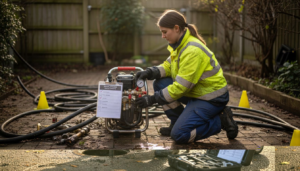
High-pressure water jetting blasts blockages away using pressurised water, clearing grease, debris, and minor root intrusion. Rodding uses mechanical tools to push obstructions through the pipe or break them apart.
These methods work best for:
- Fresh blockages that haven’t hardened
- Grease and soap buildup in kitchen drains
- Debris like leaves or toilet paper jams
- Routine maintenance to prevent future problems
Jetting typically costs £150 to £400 in Portsmouth. Results are immediate and often last months if you maintain the drain properly.
CCTV Surveys and Spot Repairs
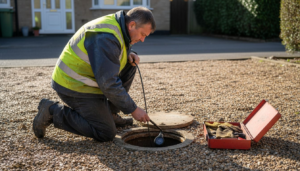
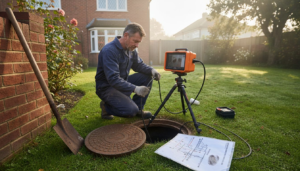
Before attempting any repair, a camera inspection reveals exactly what you’re dealing with. The survey identifies cracks, breaks, and defects without guesswork. Once you see the problem, targeted spot repairs become possible.
Spot repairs involve patching specific damaged sections rather than replacing the entire run. A technician can seal small cracks, reline a localised section, or replace a single broken joint.
This approach works brilliantly when:
- Damage is limited to one or two small areas
- The rest of the pipe remains sound
- You catch the problem early
- Budget constraints make full replacement unrealistic
Early detection through CCTV inspection makes affordable repair possible; waiting allows small problems to spread across the entire pipe network.
Relining and Epoxy Coating
Pipe relining inserts a new tube inside the old pipe without excavation. Epoxy coating seals the interior surface, preventing leaks and stopping roots from entering.
These methods shine when:
- Multiple small cracks exist throughout the pipe
- The pipe has settled but hasn’t collapsed
- Access to dig up the drain is extremely difficult
- You want to avoid garden disruption
Relining costs £2,000 to £8,000 depending on pipe length, but it avoids excavation costs and mess.
When Repair Fails
Some situations resist every repair method. Collapsed pipes, severe root damage, or extensive corrosion make repair impossible. Continuing to patch a failing pipe wastes money on temporary solutions.
Recognise when replacement is truly necessary rather than throwing good money at bad pipes.
Pro tip: Always request a CCTV survey and written repair recommendation before committing to any method; you’ll know exactly what’s wrong and whether repair or replacement makes sense financially.
When Replacement Is the Smarter Choice
Sometimes repair is throwing money at a problem that won’t stay fixed. Knowing when replacement makes financial sense requires understanding the true cost of repeated failures.
Replacement becomes the smarter option when pipes have deteriorated beyond what repair can reasonably address. The key is recognising when you’ve crossed that threshold.
Signs Replacement Is Necessary
Certain conditions make repair pointless. Collapsed pipes or extensive structural damage require complete replacement because no patching method can restore function.
Look for these warning signs:
- Persistent blockages that return within weeks despite clearing
- Multiple large cracks visible on CCTV survey
- Complete pipe collapse or severe deformation
- Contamination risks from cracked sewage pipes
- Pipe age over 50 years with ongoing deterioration
- Tree roots that have extensively infiltrated the system
Each of these indicates the pipe’s structural integrity has failed. Continued repair attempts become an endless cycle of temporary fixes.
The Cost Trap of Repeated Repairs
A single repair costs £200 to £500. But if blockages return three times yearly, you’re spending £600 to £1,500 annually just maintaining a failing pipe. Over five years, that’s £3,000 to £7,500 with no permanent solution.
Replacement costs £3,000 to £10,000 upfront. Yet it eliminates future repair costs entirely. Replacement ensures long-term functionality and prevents health hazards from contaminated drainage.
The mathematics often favour replacement when repair problems persist.
Portsmouth-Specific Considerations
Many Portsmouth properties feature Victorian and Edwardian clay pipes. These 100+ year-old systems simply cannot be adequately repaired. The clay has degraded, roots have infiltrated, and patches fail repeatedly.
For these properties, replacement isn’t optional. It’s the only path to reliable drainage.
When you’re repairing the same pipe section twice yearly, replacement has already become cheaper than continued band-aid fixes.
Modern Materials and Standards
New pipes meet current building regulations and resist problems that plagued older systems. Modern plastic pipes don’t crack from ground movement, resist tree roots, and last 50 to 100 years.
Replacement also upgrades your system to current standards, preventing future compliance issues.
Below is a quick summary of modern drainage pipe materials and their advantages over traditional clay pipes:
| Material Type | Lifespan Estimate | Resistance to Roots | Compliance with Standards |
|---|---|---|---|
| Clay | 50–100 years | Low, roots penetrate | Often outdated |
| Modern Plastic | 50–100 years | High, roots blocked | Current regulations met |
Pro tip: Obtain quotes for both repair and replacement before deciding; compare the repair cost against annual failure costs over ten years to see which option truly saves money.
Costs, Risks, and Long-Term Impacts
The cheapest option today often becomes the most expensive choice over time. Understanding the full cost picture means looking beyond the initial invoice to what happens over the next decade.
Repair and replacement carry different financial and practical risks. Choosing wisely depends on weighing these factors honestly.
Upfront Costs vs Lifecycle Costs
A drain repair typically costs £150 to £500. This feels manageable, especially when your budget is tight. But drain repair costs vary based on severity and may carry risks of incomplete resolution, meaning the problem could return soon after.
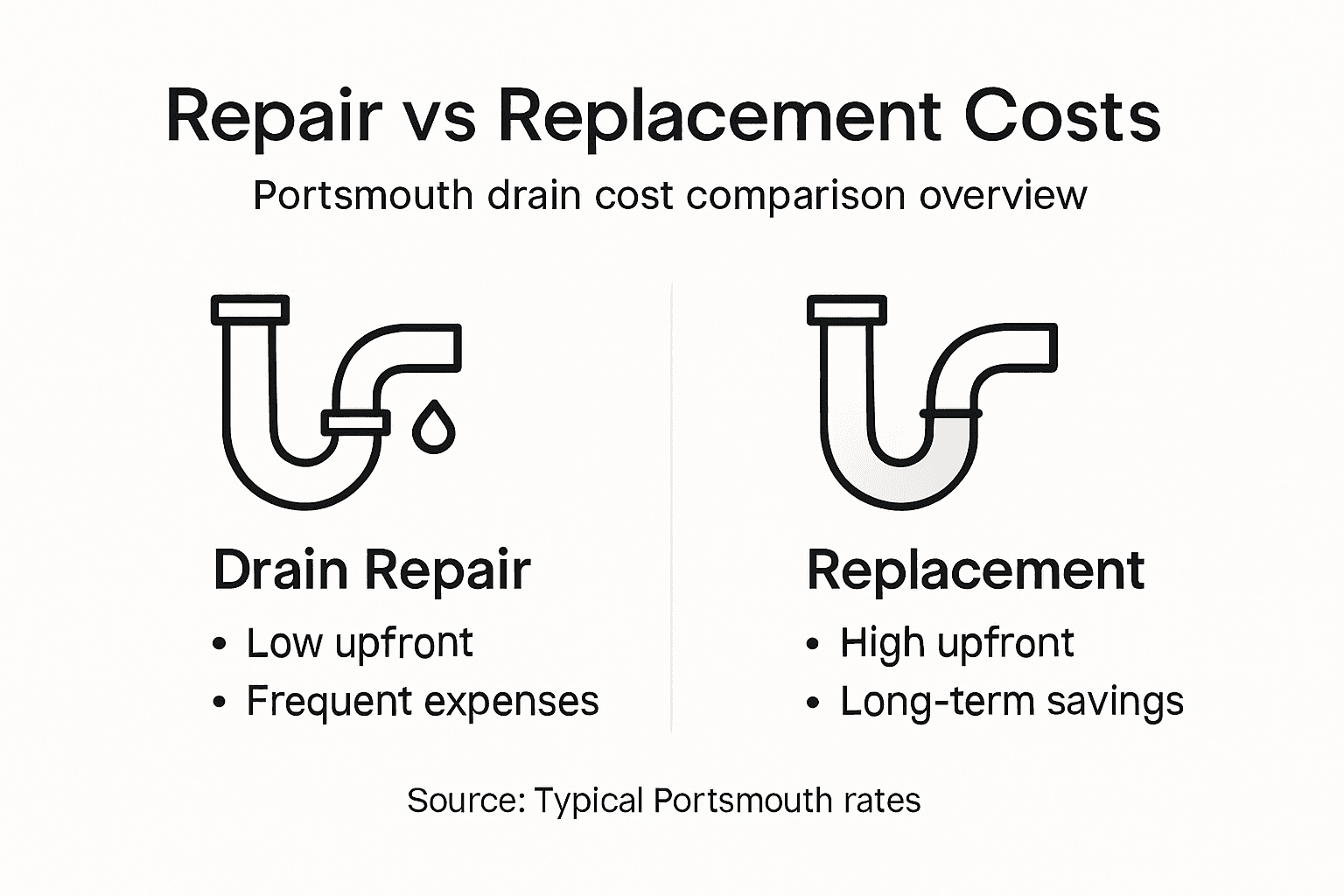
Replacement costs £3,000 to £10,000 depending on pipe length and access. This larger figure stings, but it covers the entire system for decades.
Compare these scenarios:
- Repair option: £300 repair now, £300 again in 18 months, £300 again in three years. Total over ten years: £1,500 plus disruption each time.
- Replacement option: £6,000 now, zero costs for ten years or more.
Replacement often wins on lifecycle costs despite higher upfront expense.
Hidden Risks of Repeated Repairs
Each repair visit disrupts your life. Engineers dig up your garden, access becomes harder with each excavation, and temporary fixes never feel permanent. Psychologically, you’re constantly worried about the next failure.
Repairs may not address underlying issues thoroughly, leaving the fundamental problem unresolved. You’re treating symptoms, not curing the disease.
Health and Environmental Risks
A cracked sewage pipe leaks contaminated water into soil. This creates health hazards and environmental pollution. Repair might seal one crack, but others exist.
Replacement eliminates this risk entirely by installing a system that won’t fail. For Portsmouth properties in areas near groundwater or high water tables, this matters significantly.
Property Value Impact
Buyers investigate drainage systems during surveys. A property with a known failing drain system faces reduced offers or difficulty selling. Replacement provides proof of a functioning system for the next 50 years.
A £6,000 replacement often protects a property worth £300,000 far better than saving £3,000 on temporary repairs.
The True Cost of Waiting
Delaying replacement when it’s clearly needed often makes problems worse. Pipes deteriorate faster once major cracks form. What could cost £6,000 to replace today might cost £8,000 next year.
Pro tip: Calculate your ten-year cost for repair by multiplying current repair costs by expected failure frequency, then compare to replacement quotes to see the true financial picture.
Getting Expert Help in Portsmouth
Drains aren’t a DIY job. Professional expertise makes the difference between a costly mistake and a solution that lasts decades. Portsmouth has qualified drainage specialists who understand local soil conditions, older properties, and what actually works.
Choosing the right expert saves money, time, and stress.
Why Professional Assessment Matters
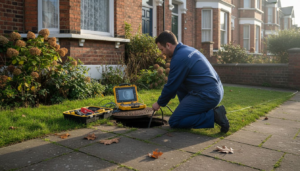
Expert diagnosis using camera inspections identifies blockages or damage precisely, showing exactly what you’re dealing with. This removes guesswork and prevents unnecessary work.
A professional can tell you whether repair makes sense or replacement is inevitable. They’ve seen hundreds of Portsmouth properties and know which problems respond to repair and which don’t.
DIY attempts often make problems worse, creating additional damage that costs more to fix.
What to Look for in a Drainage Expert
Find specialists with these qualities:
- Certification and recognised qualifications in drainage work
- Insurance covering liability and professional indemnity
- CCTV survey equipment for thorough inspection
- Experience with older Portsmouth properties and Victorian pipe systems
- Transparent pricing with detailed written quotes
- References from local customers
- Membership in industry bodies like CIPP or similar organisations
A good technician explains what’s wrong in plain language, not jargon.
The Inspection Process
Seek expert advice from authorised professionals who can assess, repair, or replace drainage systems and ensure work complies with health and safety standards.
Expect the process to include:
- Initial telephone consultation about symptoms
- Site visit to access the drainage system
- CCTV camera survey of pipes
- Written report with findings and recommendations
- Detailed quote for repair or replacement
- Discussion of options and timescales
This thorough approach costs £100 to £200 upfront but saves thousands by identifying the real problem.
Portsmouth-Specific Expertise
Local specialists understand Portsmouth’s unique challenges. Victorian and Edwardian properties have clay pipes. The area’s clay soil moves seasonally. Ground water tables vary by location. These factors affect what solutions actually work.
A Portsmouth-based expert knows these conditions intimately.
Professional diagnosis costs £150 today but prevents £5,000 in wasted repairs on the wrong problem.
Getting Multiple Quotes
Obtain at least two independent quotes before deciding. Different technicians may recommend different approaches based on what they observe. Comparing quotes helps you understand the full picture.
Beware of quotes significantly lower than others. This often means incomplete assessment or lower quality work.
Pro tip: Request that quotes include the CCTV survey costs, labour, materials, and any site restoration separately so you can compare apples with apples across different companies.
Make the Right Choice Between Drain Repair and Replacement in Portsmouth
Facing persistent drain issues in your Portsmouth property can be stressful and costly, especially when weighing the decision between repair and replacement. Whether you are dealing with minor cracks, blockages, or severe pipe damage from ageing clay pipes common in Victorian and Edwardian homes, understanding your options is key to avoiding repeated costly repairs or long-term disruption.
At Blocked Drains Portsmouth, we specialise in expert drain unblocking and comprehensive assessments that include CCTV surveys. Our team helps you pinpoint exactly what your drainage system needs, saving you from unnecessary expenses and guesswork. With our clear, professional advice and transparent quotes, you can confidently decide if targeted repairs or full pipe replacement is the smarter investment for your home.
Explore our expert drain services today and protect your property’s drainage system from future failures. Don’t wait for small issues to become costly emergencies. Contact us now for a reliable inspection and fast solutions to keep your drains flowing smoothly.
Frequently Asked Questions
What are the signs that a drain needs replacement instead of repair?
Signs that a drain needs replacement include multiple large cracks, persistent leaks after repairs, complete pipe collapse, and extensive tree root infiltration. If the pipes are over 50 years old and showing ongoing deterioration, replacement is often the best option.
How much does it typically cost to repair a drain compared to replacing it?
Repairs usually range from £150 to £500 per intervention, while full drain replacement generally costs between £3,000 and £10,000. Although repairs are less expensive upfront, they may not provide a long-term solution.
What methods are used for drain repair, and when are they most effective?
Common methods for drain repair include high-pressure water jetting, rodding, spot repairs, and relining. These techniques are most effective when addressing minor issues, particularly when damage is localized and caught early.
Why is it important to have a CCTV survey before deciding on drain repair or replacement?
A CCTV survey helps accurately diagnose the condition of your drainage system, showing specific issues that need attention. This prevents unnecessary repairs or misguided decisions and allows for targeted solutions that can save you money in the long run.