Rainwater in Portsmouth can quickly cause headaches for homeowners, from flooded gardens to damp interiors and even costly structural issues. Managing water around your property requires more than guesswork. The right drainage solutions safeguard your home and garden against erosion, waterlogging, and neighbour disputes.
You will discover practical methods to assess your property’s unique needs, install reliable gutter systems, and harness drainage channels for effective water control. These tips draw on proven principles of site assessment, hydrology, and sustainable water management, so you can protect your home and enjoy a worry-free garden—even during the wettest British weather. Each actionable insight reveals how you can transform drainage challenges into lasting solutions. Continue reading to unlock strategies that make water work for, not against, your Portsmouth property.
Table of Contents
- 1. Assessing Your Property’s Drainage Needs
- 2. Installing Gutter Systems for Efficient Water Control
- 3. Using Drainage Channels to Redirect Rainwater
- 4. Maintaining Soakaways for Proper Water Absorption
- 5. Applying Permeable Paving to Reduce Surface Runoff
- 6. Preventing Blockages with Regular Drain Maintenance
Quick Summary
| Takeaway | Explanation |
|---|---|
| 1. Assess drainage needs thoroughly | Understand your property’s unique water management challenges to identify problem areas before installing solutions. |
| 2. Proper gutter sizing is essential | Ensure gutters are sized correctly to handle local rainfall patterns, preventing overflow and foundation issues. |
| 3. Maintain drainage channels regularly | Clear debris from channels and inspect them annually to prevent blockage and ensure effective water flow. |
| 4. Perform routine soakaway checks | Inspect soakaways for debris and functionality at least once a year to maintain effectiveness and prevent failure. |
| 5. Regular drain maintenance prevents blockages | Adopt habits like using drain screens and avoiding harmful disposals to maintain clear drainage and reduce repair costs. |
1. Assessing Your Property’s Drainage Needs
Before installing any drainage solution, you need to understand your property’s unique water management challenges. Every property in Portsmouth has different drainage characteristics based on soil type, slope, and surrounding geography.
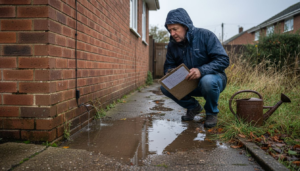
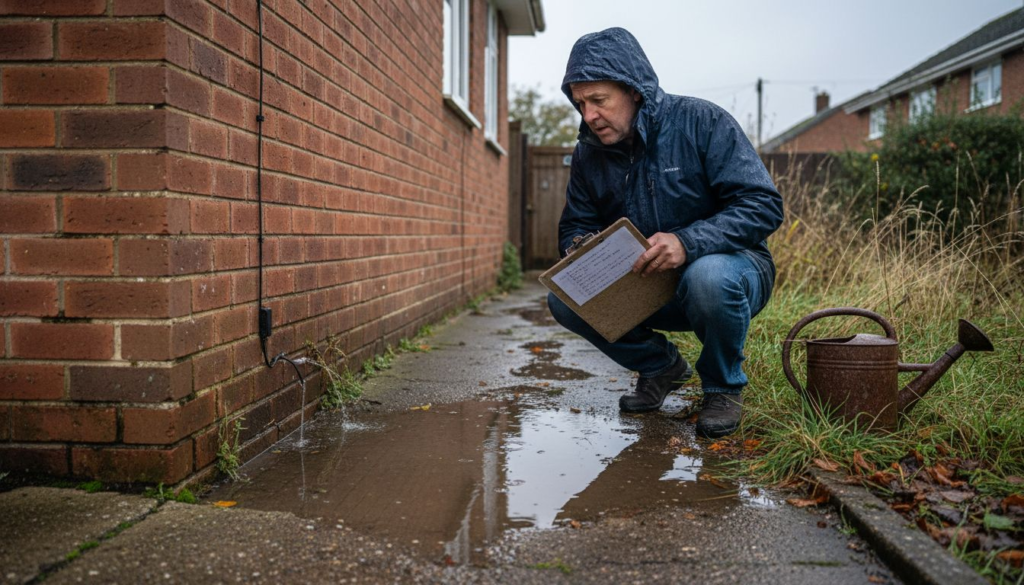
Start by observing where water naturally collects during rainfall. Walk around your garden after a heavy downpour and note which areas stay wet longest. Look for puddles, muddy patches, or areas where grass struggles to grow. These visual clues reveal where water concentrates rather than dispersing.
Understanding your site’s key characteristics makes all the difference. Consider these important factors:
- Slope and topography determine how surface water flows across your land
- Soil type and permeability affect how quickly water soaks into the ground
- Natural drainage patterns show where water wants to go naturally
- Existing outlet systems indicate where water currently leaves your property
- Neighbouring properties and their drainage impact your planning
The property’s slope morphology and hydrologic factors fundamentally shape how water behaves on your land. Water energy must be reduced to prevent erosion and structural damage, making site-specific assessment critical for long-term success.
Proper drainage planning requires understanding your property’s natural water flow patterns before selecting any solution.
Check your current drainage outlets carefully. Where does surface water currently exit your property? Does it flow toward neighbours’ gardens, the street, or natural low points? Understanding outlet capacity and compliance with local Portsmouth regulations prevents future conflicts and flooding problems.
You should also consider the environmental impact and return on investment. Sustainable drainage management involves thorough site assessment, checking outlet systems, and ensuring local regulation compliance. This approach protects your property whilst respecting neighbourhood drainage.
Take measurements of problem areas and photograph them during or after rainfall. Document water depths and how long water remains standing. This evidence helps professionals recommend targeted solutions.
Pro tip: Create a simple drainage map of your garden by marking wet areas, slope direction, and existing drains or outlets, then show this to a drainage specialist when requesting advice.
2. Installing Gutter Systems for Efficient Water Control
Gutters are your property’s first line of defence against water damage. They capture rainwater from your roof and direct it safely away from your foundation, preventing soil saturation and costly interior problems.
Without gutters, water cascades directly off your roof edge and pools around your home’s base. This creates ideal conditions for mould, rot, and structural damage. Your foundation absorbs moisture, leading to cracked walls and weakened concrete over time.
Properly installed gutters provide multiple benefits for Portsmouth homeowners:
- Prevent water from saturating soil around your foundation
- Eliminate interior moisture problems such as mould and basement flooding
- Protect your home’s structural integrity long-term
- Direct water to drainage systems or harvesting solutions
- Reduce soil erosion around garden borders
Gutter sizing matters considerably for effectiveness. Gutter and downspout sizing/Book%3A_To_Catch_the_Rain_(Grafman)/04%3A_Calculations/4.03%3A_Gutter_and_Downspout_Sizing) depends on rainfall intensity, roof catchment area, and expected runoff volume. A gutter too small overflows during heavy rain, defeating its purpose entirely.
Undersized gutters cause overflow damage and negate the protection your system provides.
Portsmouth receives substantial rainfall annually, so your gutter system must handle peak runoff volumes. Calculate your roof’s catchment area and select gutters that accommodate local precipitation patterns. Most residential properties need gutters measuring between 100 and 150 millimetres wide.
Downspouts equally require proper sizing and positioning. Gutters and downspouts direct rainwater away from your foundation to prevent soil saturation. Position downspouts at least 1.5 metres from your home’s base, or connect them to underground drainage systems.
Material selection affects longevity and maintenance. Consider these common options:
- Aluminium gutters offer lightweight installation and rust resistance
- Steel gutters provide durability but require regular maintenance
- PVC gutters resist corrosion and suit coastal properties
- Copper gutters last decades but cost more initially
Regular cleaning prevents blockages that reduce effectiveness. Remove leaves and debris seasonally, particularly in autumn when trees shed heavily.
Pro tip: Install gutter guards or screens to minimise debris accumulation, reducing cleaning frequency from quarterly to annually and keeping your drainage system flowing freely.
3. Using Drainage Channels to Redirect Rainwater
Drainage channels, such as swales and grassed ditches, work like natural pathways for water. They guide rainwater across your property in controlled directions, preventing it from pooling in unwanted areas and causing damage.
Think of drainage channels as gentle slopes that encourage water to flow where you want it to go. Unlike concrete pipes hidden underground, these visible channels blend into your landscape whilst managing water effectively.
Key benefits of drainage channels make them popular for Portsmouth gardens:
- Reduce runoff volume and velocity across your property
- Mitigate flooding by directing water safely away from structures
- Allow water to infiltrate soil naturally instead of rushing off
- Improve water quality through soil and plant filtering
- Blend seamlessly into garden design
- Provide habitat for plants and wildlife
Channels work by slowing water down. Fast-moving water causes erosion and damage, but slow-moving water has time to soak into the ground. Drainage channels reduce runoff velocity and prevent erosion by directing stormwater along controlled paths, maintaining stability throughout your garden.
Vegetated channels enhance infiltration and filter pollutants naturally from rainwater.
Planting native grasses and shrubs in channels increases their effectiveness. These plants stabilise the channel walls, absorb excess moisture, and filter contaminants as water passes through. Your garden becomes both functional and attractive.
Designing channels for your property requires considering three factors:
- Slope determines water flow speed and direction
- Soil type affects how quickly water infiltrates
- Hydrology helps predict water volumes during heavy rain
Shallow channels work best for residential properties. A gentle slope of roughly 2 to 5 per cent guides water without creating erosion. The channel width depends on expected water volume and available space in your garden.
Swales and vegetated channels serve as key elements in residential-scale rainwater harvesting systems. They reduce runoff whilst storing water for soil infiltration and reuse. In Portsmouth’s climate, this approach manages both excess water and drought periods effectively.
Maintain channels by removing debris and trimming plants annually. This keeps water flowing freely and prevents blockages.
Pro tip: Position drainage channels slightly below your property’s natural low points to capture water flow naturally, then direct them toward garden beds or storage areas rather than toward neighbouring properties.
4. Maintaining Soakaways for Proper Water Absorption
Soakaways are underground infiltration systems that capture rainwater and let it soak gradually into the ground. They work quietly beneath your garden, reducing runoff and improving water quality whilst recharging groundwater supplies.
Think of a soakaway as a hidden reservoir that absorbs water at a controlled rate. Without proper maintenance, these systems become clogged and stop working effectively, leaving you with the drainage problems they were designed to prevent.
A maintained soakaway provides significant benefits:
- Reduces surface runoff and flooding risks
- Improves water quality through soil filtration
- Recharges groundwater naturally
- Lowers strain on local drainage systems
- Prevents water pooling in your garden
- Requires minimal ongoing attention when maintained properly
Maintenance is straightforward but essential. Proper soakaway maintenance involves ensuring infiltration rates remain effective by preventing clogging through regular inspection and debris removal. Neglecting maintenance means your soakaway gradually loses performance until it fails completely.
Silt and debris accumulation is the primary cause of soakaway failure, yet it’s preventable with simple regular checks.
Inspect your soakaway annually, particularly in autumn after leaves fall. Remove any leaves, twigs, or sediment from the top grate or access cover. Check that water drains away after rainfall rather than pooling around the soakaway area.
Clogging happens when fine particles enter the system from upstream drainage. Managing upstream pollutant loads prevents excessive silt from reaching your soakaway. Ensure gutters and drainage channels remain clean so only clear water feeds into the system.
Maintenance tasks you should perform:
- Clear debris from the soakaway grate quarterly
- Check water drains away completely within 24 hours of rainfall
- Inspect for cracks or damage in the access cover
- Monitor soil conditions around the soakaway for saturation
- Remove any vegetation growing directly over the system
If water remains pooled more than a day after rain, your soakaway needs professional attention. A drainage specialist can perform infiltration testing and periodic cleaning to restore performance and monitor long-term functionality.
Portsmouth’s clay-heavy soils can reduce soakaway effectiveness over time. Professional maintenance every three to five years prevents failure and extends system life significantly.
Pro tip: Install a simple inspection cover with a removable grate above your soakaway so you can quickly check water levels and remove debris without digging, making quarterly maintenance quick and easy.
5. Applying Permeable Paving to Reduce Surface Runoff
Permeable paving is a clever solution that lets rainwater drain through your garden surfaces instead of running off into streets and drains. Rather than blocking water with solid concrete or tarmac, these porous materials absorb it directly into the ground below.
Traditional impermeable pavements create hard surfaces that force water to run away quickly, overwhelming drainage systems and causing flooding. Permeable alternatives work with nature by allowing water to infiltrate at its own pace.
Permeable paving offers multiple advantages:
- Reduces runoff volume and flooding risks significantly
- Allows water to infiltrate and recharge groundwater
- Improves water quality through soil filtration
- Decreases strain on local drainage infrastructure
- Maintains garden aesthetics with natural appearance
- Reduces puddles and standing water in your garden
These pavements use porous materials like permeable concrete, asphalt, or interlocking pavers installed over engineered subsurfaces. The layers beneath work together to store water temporarily whilst allowing it to drain gradually into the soil.
Permeable paving reduces runoff volume and velocity while improving water quality through natural soil filtration.
Permeable pavements serve as stormwater management tools by allowing infiltration through their surface to underlying storage layers. Material choice and installation practices are critical to ensure long-term performance. In Portsmouth’s clay soils, properly designed systems manage water effectively even during heavy rainfall.
Interlocking permeable pavers are ideal for patios and garden paths. These individual blocks allow water to drain between joints whilst remaining stable underfoot. Choose pavers with wider joints and permeable infill materials for maximum drainage.
Permeable concrete and asphalt work well for driveways and larger paved areas. These materials maintain the solid appearance of traditional surfaces whilst allowing water to pass through.
Important maintenance keeps your permeable paving effective:
- Clear leaves and debris regularly to prevent clogging
- Vacuum clean the surface annually to remove accumulated sediment
- Inspect joints and infill materials for compaction
- Ensure water drains away within hours of rainfall
- Avoid heavy use of herbicides near permeable surfaces
Clogging happens gradually as fine sediment accumulates in pores. Removal of sediment maintains porosity and keeps your system functioning. Without maintenance, permeable paving eventually loses its drainage capacity.
Pro tip: Install permeable paving in areas that naturally collect runoff, such as beside gutters or at the base of slopes, to maximise water interception and filtering before it reaches drainage systems.
6. Preventing Blockages with Regular Drain Maintenance
Regular drain maintenance is your best defence against costly blockages that disrupt your home. Simple preventative measures keep water flowing freely and avoid emergency repairs that can damage your property.
Blockages develop gradually as debris accumulates inside pipes. Hair, soap residue, food particles, and other materials build up over time, eventually restricting water flow completely. Catching problems early through regular maintenance costs far less than clearing severe blockages.
Prevention involves both proper behaviour and infrastructure care:
- Avoid disposing of fats, oils, and grease down drains
- Never flush non-degradable items like wet wipes or nappies
- Install backflow prevention devices where necessary
- Clean pipes regularly with appropriate methods
- Manage vegetation near sewer lines
- Disconnect any illegal plumbing connections
What you put down your drains matters enormously. Fats and oils solidify as they cool, coating pipe walls and trapping other debris. Eventually, these buildups create complete blockages that require professional clearing. Grease is the single largest cause of residential drain problems in Portsmouth.
Hair accumulation is another common culprit. Use drain screens or strainers in bathrooms and kitchens to catch hair before it enters pipes. Empty these screens regularly and dispose of collected material in household waste rather than flushing it away.
Preventing blockages through simple daily habits costs nothing and saves thousands in repair expenses.
Food waste causes significant problems too. Even small food particles combine with grease and soap to create stubborn blockages. Scrape plates into bins rather than rinsing food directly down sinks. Consider composting food waste or using food waste collections if your council offers them.
Regular cleaning of pipes prevents blockages whilst protecting environmental and public health. Professional drain cleaning services can remove accumulated debris before serious problems develop. Many drainage companies recommend annual or bi-annual maintenance in Portsmouth’s older properties.
Tree roots represent a serious threat to underground drainage pipes. Roots naturally seek moisture and can penetrate pipe joints, causing cracks and blockages. Monitor trees near your drainage system and manage vegetation accordingly.
Simple monthly maintenance tasks:
- Pour boiling water down drains to dissolve minor buildups
- Use drain screens to catch debris before it enters pipes
- Check for slow drainage or unusual odours
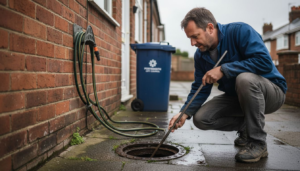
- Inspect outside gullies for blockages or debris
- Document any recurring drainage problems
Pro tip: Schedule annual professional drain inspections using CCTV cameras to identify developing problems before they become expensive blockages, particularly valuable for Portsmouth properties with clay pipes or tree-lined gardens.
Below is a comprehensive table summarizing the key drainage and water management strategies described in the article.
| Topic | Description | Key Takeaways |
|---|---|---|
| Assessing Property Drainage | Evaluate the unique water management issues of your property by observing water flow, topography, and soil type. | Document findings and consult professionals with a drainage map for tailored solutions. |
| Gutter Systems Installation | Install properly sized gutters and downspouts to direct rooftop water safely away from the property. | Prevents foundation damage, reduces erosion, and mitigates interior moisture issues. |
| Drainage Channels Usage | Create swales and vegetated ditches to guide rainwater naturally across the property. | Prevents flooding, slow water for better infiltration, and integrates with the landscape design. |
| Soakaway Maintenance | Regularly maintain underground systems that absorb rainwater and recharge groundwater. | Effective in reducing runoff and prevents system clogging or failure. |
| Permeable Paving Application | Install porous paving materials to allow water infiltration directly into the ground. | Reduces surface runoff and supports sustainable water management practices. |
| Drain Maintenance | Routinely clean and inspect drainage systems to prevent blockages. | Avoids costly damages and ensures uninterrupted drainage flow. |
Simplify Your Rainwater Drainage Challenges with Expert Help
Managing rainwater effectively is critical to protecting your Portsmouth home from water damage, blockages, and costly repairs. Whether you need help installing gutters to control runoff, maintaining soakaways for proper absorption, or clearing blocked drains threatening your garden and foundation, specialised assistance makes all the difference. The article highlights important concepts such as gutter sizing, soakaway maintenance, and the dangers of blockages caused by debris and silt. These issues create serious headaches for homeowners and require swift, professional solutions.
Don’t let rainwater problems escalate into emergencies. Our drainage company specialises in drain unblocking in Portsmouth and offers comprehensive solutions tailored to your property’s unique needs. Discover how we can support your drainage system by visiting Drain Unblocking Services today. For expert advice on long-term rainwater management and to protect your home from flooding and erosion, explore Professional Drainage Solutions. Take control now by contacting us through Blocked Drain Portsmouth and ensure your property remains safe and dry all year round.
Frequently Asked Questions
How can I assess my property’s drainage needs effectively?
To assess your property’s drainage needs, observe where water collects during rainfalls, taking note of areas that remain wet for long periods. Create a simple drainage map marking these areas and discuss your findings with a drainage specialist to better understand potential solutions.
What are the benefits of installing gutters on my property?
Installing gutters can prevent water from saturating the soil around your foundation, reducing the risk of mould and structural damage. Ensure you choose properly sized gutters to handle local rainfall intensity, which can help eliminate interior moisture problems and improve your home’s longevity.
How do drainage channels improve water management in my garden?
Drainage channels, such as swales and grassed ditches, direct rainwater across your property while encouraging infiltration into the soil. Design these channels with gentle slopes, and plant native vegetation to stabilise the banks and enhance filtration, ensuring they blend seamlessly with your garden design.
What maintenance is required for soakaways to function properly?
Regular maintenance of soakaways involves inspecting them for debris and ensuring water drains away effectively after rainfall. Check for blockages quarterly and clear any leaves or sediment to maintain their infiltration rates, preventing flooding and preserving groundwater recharge.
How does permeable paving help reduce surface runoff?
Permeable paving allows rainwater to drain through surfaces instead of running into drains, significantly reducing runoff and flooding risks. Choose permeable materials for patios and driveways, and maintain them by regularly clearing debris to prevent clogging and ensure effective drainage.
What regular drain maintenance can prevent costly blockages?
Regular drain maintenance includes avoiding the disposal of fats, oils, and non-degradable items and using strainers to catch hair and debris. Perform monthly checks and schedule professional drain cleaning every one to two years to ensure your drainage system remains clear and functional.