Blocked drains can disrupt daily life for many Portsmouth households. Tackling slow or clogged pipes at home is more than just convenience—it can help avoid costly repairs and prevent sewage backup. Before reaching out to a specialist, gathering the right tools and understanding safe DIY techniques gives you confidence to address minor blockages while protecting your plumbing and health. This guide outlines step-by-step solutions to keep your drains flowing smoothly and effectively.
Table of Contents
- Step 1: Gather Essential Tools And Safety Gear
- Step 2: Inspect The Blockage And Assess Severity
- Step 3: Apply Safe Home Remedies For Minor Clogs
- Step 4: Use Specialist Drain Cleaning Tools Effectively
- Step 5: Test Water Flow And Repeat If Necessary
Quick Overview
| Key Insight | Explanation |
|---|---|
| 1. Gather essential tools first | Equip yourself with rubber gloves, safety goggles, a plunger, a drain snake, and a bucket for effective and safe drain unblocking. |
| 2. Inspect the blockage carefully | Assess water drainage speed, sounds, and visible debris to understand the severity of the blockage before attempting a fix. |
| 3. Try natural remedies first | Use boiling water, bicarbonate of soda with vinegar, or a plunger on minor clogs before resorting to harsher chemical solutions. |
| 4. Use specialist tools correctly | Employ drain snakes, augers, and high-pressure water jets with caution to avoid damaging your pipes. Proper technique is essential for success. |
| 5. Test water flow post-treatment | After attempting to clear the blockage, check for improved drainage speed and absence of standing water to confirm the issue is resolved or needs further action. |
Step 1: Gather essential tools and safety gear
Before diving into unblocking your drain, you’ll want to equip yourself with the right tools and protective gear. Proper preparation can make the difference between a quick fix and a messy disaster.
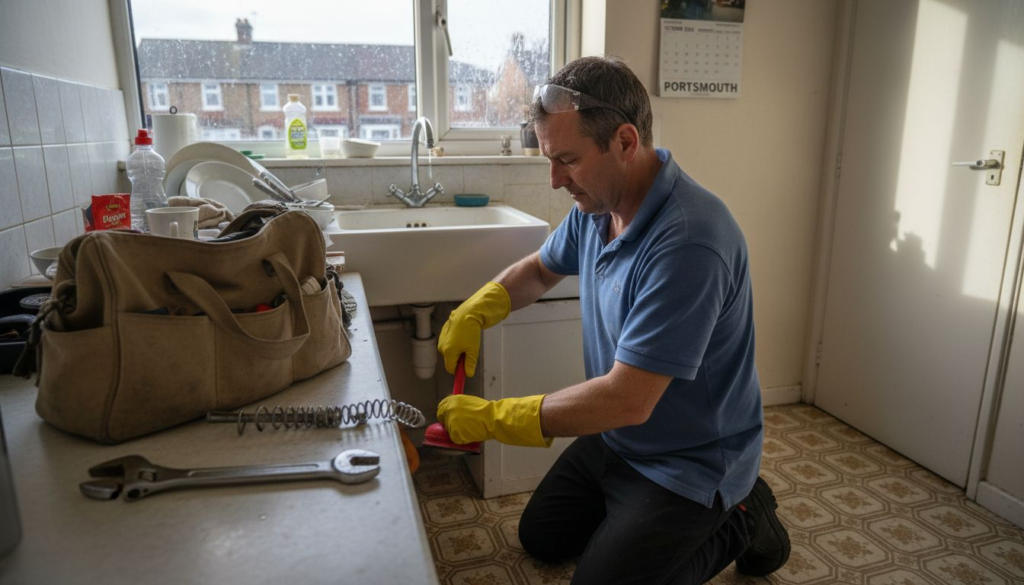
First, assemble your essential drainage toolkit. Here are the key items you’ll need:
- Rubber gloves to protect your hands from bacteria and potential chemical residues
- Safety goggles to shield your eyes from splashes
- Plunger with a good seal for initial blockage attempts
- Drain snake or drain auger for deeper blockages
- Bucket to collect water and debris
- Old towels or rags for cleanup
Safety is paramount when dealing with drain blockages. Selecting the right protective equipment can prevent potential injuries and health risks.
Always inspect your tools before use to ensure they’re in good condition and free from damage.
Pay special attention to your personal protective gear. Your standard kitchen gloves might not provide adequate protection against sewage bacteria or harsh chemicals. Invest in heavy-duty, long-sleeved rubber gloves that reach past your wrists.
Professional advice: Store your drain unblocking toolkit in a clean, dry place and replace tools annually to maintain their effectiveness and hygiene.
Step 2: Inspect the blockage and assess severity
Understanding the nature and severity of your drain blockage is crucial before attempting any repair. Your initial inspection will help determine the right approach and prevent potential damage to your plumbing system.
Identifying drainage issues requires careful observation and systematic evaluation. Start by checking these key indicators:
- Water drainage speed (completely blocked or slow)
- Gurgling sounds from pipes or drains
- Unpleasant odours emerging from drain openings
- Water backing up in sinks or toilets
- Visible debris near drain entrances
A thorough initial assessment can save you time and prevent potential costly repairs.
Pay close attention to which fixtures are affected. Is the blockage isolated to one area like the kitchen sink, or is it happening across multiple drainage points? Different locations can indicate varying levels of complexity in your drainage problem.
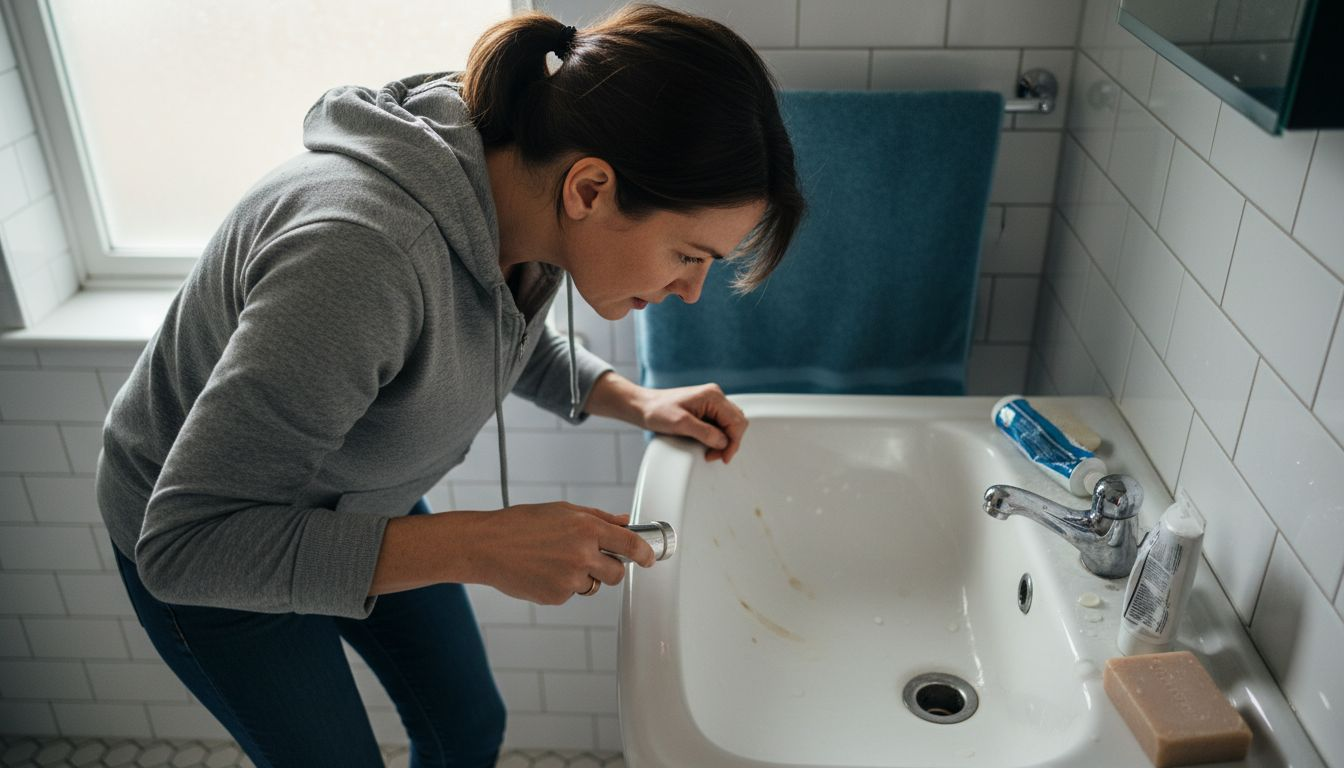
Quick diagnostic checks might reveal whether you’re dealing with a simple localised clog or a more serious systemic issue. Look for standing water, unusual smells, or unusual noises when water attempts to drain.
Professional advice: Take photographs of your drainage problem to help professionals diagnose the issue more accurately if you need expert assistance.
Step 3: Apply safe home remedies for minor clogs
Before resorting to harsh chemical solutions, several gentle and environmentally friendly methods can help clear minor drain blockages. These home remedies are cost-effective and can often resolve simple clogs without damaging your plumbing system.
Improving drainage techniques can be straightforward with these simple approaches:
- Boiling water method: Pour a full kettle of boiling water directly into the blocked drain
- Bicarbonate of soda and vinegar technique: Pour 1/2 cup bicarbonate of soda, followed by 1/2 cup white vinegar
- Plunger approach: Use a standard plunger with firm, consistent pressure
- Hot water flush: Run hot water for several minutes after initial treatment
- Manual debris removal: Use a drain snake or bent wire hanger to extract visible blockages
Gentle, natural methods can often resolve drain issues without risking pipe damage.
The key is patience and gentle manipulation. Start with the least invasive method and gradually progress to more intensive techniques. Each approach requires careful application and observation of how the water begins to drain.
Remember that persistent blockages might indicate a more significant plumbing issue. If these home remedies don’t improve drainage after multiple attempts, it’s time to consider professional intervention.
Professional advice: Always keep a bucket of hot water and bicarbonate of soda nearby as a quick, first-response drain maintenance solution.
Step 4: Use specialist drain cleaning tools effectively
Drain cleaning tools require precision and understanding to prevent potential damage to your plumbing system. Knowing how to use specialist equipment can make the difference between a successful repair and an expensive mistake.
Tool safety techniques are critical when managing drain blockages. Here are the essential tools and their proper usage:
- Drain snake for reaching deeper blockages
- Plumber’s auger for breaking through tough obstructions
- Flexible drain rod for navigating tricky pipe bends
- High-pressure water jet for dislodging stubborn debris
- CCTV drain camera for identifying precise blockage locations
Proper tool handling prevents potential pipe damage and ensures effective drain clearing.
When using a drain snake, insert the cable slowly and gently, rotating the handle to navigate through pipe bends. Avoid forcing the tool, which could potentially puncture or scratch your pipes. Always wear protective gloves and safety glasses to prevent potential splashback or debris contact.
Pay close attention to the resistance and movement of your tool. If you encounter significant obstruction, pause and reassess rather than applying excessive force. Each tool requires a slightly different technique, so take time to understand its specific operational requirements.
Professional advice: Clean and sanitise your drain tools immediately after use to prevent bacterial growth and maintain their long-term effectiveness.
To better understand the differences between common unblocking tools, consider this comparison:
| Tool Type | Typical Use Case | Risk of Pipe Damage | Recommended For |
|---|---|---|---|
| Plunger | Surface-level blockages | Very low | Small home sinks, toilets |
| Drain Snake | Deeper, tougher clogs | Moderate if forced | Kitchen, bathroom drains |
| Plumber’s Auger | Stubborn obstructions | Higher if misused | Main lines, severe blockages |
| Flexible Rod | Pipes with sharp bends | Low if handled carefully | Drains with tight curves |
| Water Jet | Stubborn, widespread debris | Low with correct pressure | Persistent blockages |
Step 5: Test water flow and repeat if necessary
After attempting to clear your drain blockage, it’s crucial to verify that your efforts have been successful. Testing water flow will confirm whether your chosen method has fully resolved the drainage issue or requires additional intervention.
Addressing drainage performance involves systematic evaluation of water movement and drainage efficiency. Here are key indicators to assess:
- Water drainage speed compared to original blockage
- Consistency of water flow
- Absence of gurgling sounds
- Clear, unobstructed drainage
- No standing water in sink or basin
Thorough testing prevents recurring drainage problems and potential long-term plumbing damage.
Run hot water for several minutes, observing how quickly it passes through the drain. If water still moves slowly or pools, you’ll need to repeat your previous unblocking method or consider a different approach. Sometimes multiple attempts are necessary to completely clear stubborn blockages.
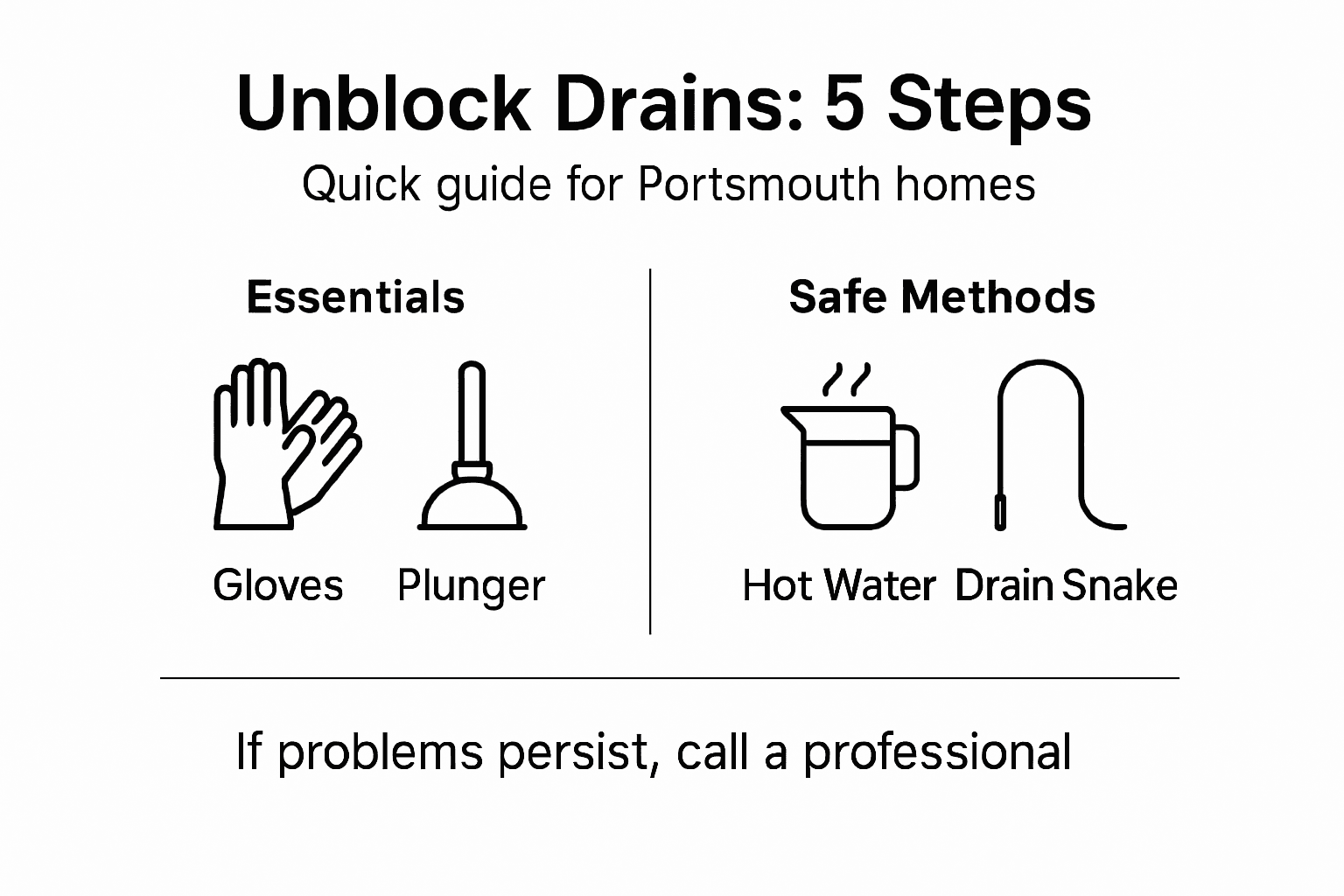
Don’t be discouraged if the first attempt doesn’t fully resolve the issue. Persistent drainage problems might indicate a more complex underlying issue that requires professional assessment.
The following table summarises when to seek professional help versus continuing DIY attempts:
| Situation | DIY Attempt Recommended | Call a Professional |
|---|---|---|
| Blockage limited to one drain | Yes, try home remedies | Only if it recurs |
| Foul odours persist | Try once | If smell lingers after action |
| Multiple drains affected | No | Signs of major issue |
| Water backs up repeatedly | Once if minor | Yes, avoid system damage |
| Visible pipe damage | No | Immediate expert assessment |
Professional advice: Keep a log of your drain maintenance attempts to help identify recurring patterns and potential systemic plumbing challenges.
Fast and Reliable Drain Unblocking Solutions in Portsmouth
If you have followed the essential steps to unblock your drain and still face issues like slow water drainage or persistent foul odours it may be time to seek expert help. Drain blockages can range from minor home clogs to more complex obstructions that need specialist tools and knowledge. With our experience as a drainage company specialist in drain unblocking in Portsmouth we understand how critical it is to restore your drains quickly and safely without risking pipe damage or ongoing problems.
Do not let stubborn blockages disrupt your daily routine. Visit Blocked Drains Portsmouth today for professional assessments and effective unblocking services. Our team uses advanced equipment matched to your situation and ensures thorough cleaning and safe maintenance every time. Act now to avoid possible water damage or costly repairs by getting expert help from trusted local specialists. For reliable drain care tailored to your home contact us through Blocked Drains Portsmouth and experience peace of mind with expert drainage solutions.
Frequently Asked Questions
What tools do I need to unblock drains in my home?
You will need a basic toolkit that includes rubber gloves, safety goggles, a plunger, and a drain snake. Gather these items before starting to ensure you can address the blockage effectively and safely.
How can I tell if my drain blockage is minor or severe?
Examine how quickly water drains from your sink and listen for gurgling sounds. If water drains slowly or not at all, and you notice unpleasant odours, the blockage may be more severe and require further action.
What home remedies can I try for minor drain blockages?
For minor clogs, try pouring boiling water down the drain or a mixture of bicarbonate of soda and vinegar. These methods are gentle on your pipes and can clear small blockages without damaging your plumbing.
How do I properly use a drain snake or auger?
Insert the drain snake gently into the drain, rotating the handle to navigate bends. Avoid forcing it, as this can damage your pipes; instead, remove any resistance slowly and cautiously.
When should I seek professional help for a drain blockage?
If multiple drains are affected or if blockages persist despite your attempts to clear them, it is time to call in a professional. Persistent issues may indicate underlying plumbing problems that require expert assessment and repair.
How can I test if my drain is fully unblocked?
After trying to clear the blockage, run hot water through the drain for several minutes. Observe if the water drains smoothly without pooling or making gurgling sounds, indicating the clog has been successfully removed.